9-Month-Old Baby Development - Standing and Communication

This article is approved by Çiğdem İrem İleri
Published: 13 March, 2026
Updated: 30 July, 2026
At a Glance
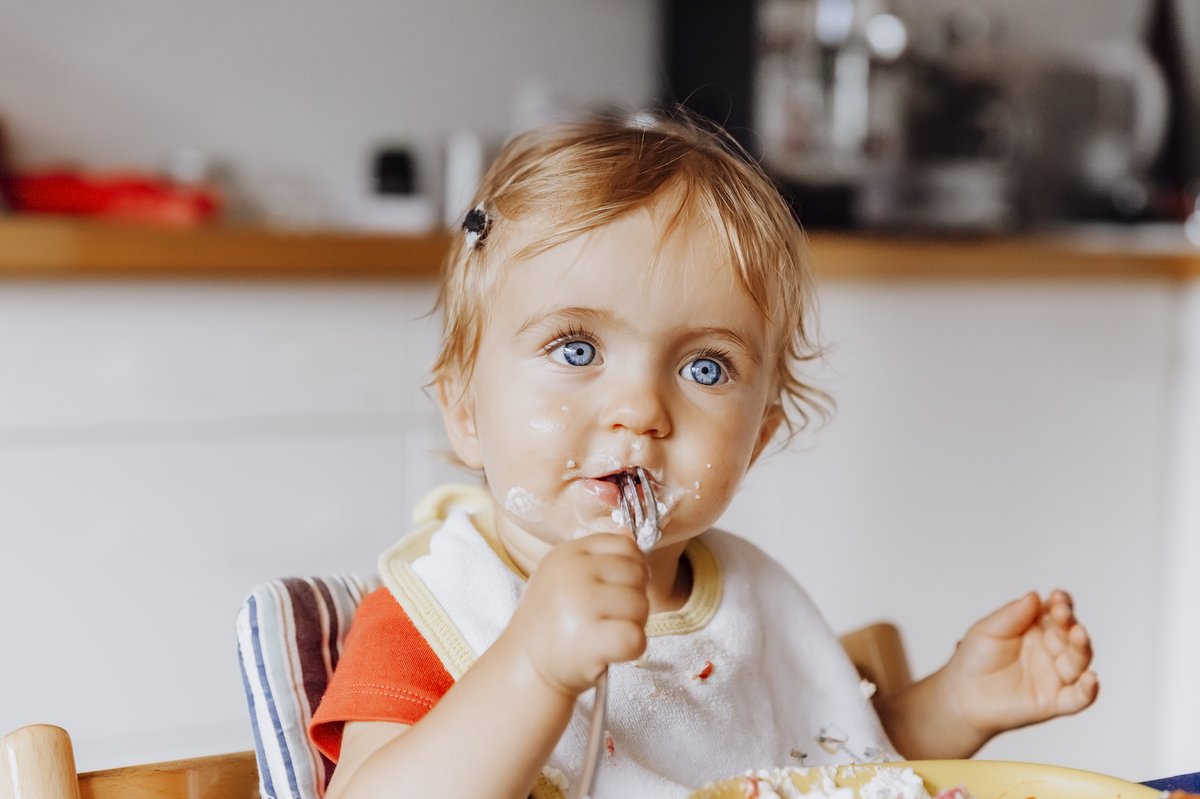
A 9-month-old's sleep needs typically range from 10 to 12 hours at night and 2 to 3 hours during the day.
While breast milk or formula remains the main source of nutrition, offering 2 to 3 meals of solids per day is encouraged at this stage.
Most babies start crawling, scooting, or trying to pull up to stand on furniture between 7 and 10 months of age.
Communication skills develop rapidly; babies are very eager to make sense of familiar words and respond with babbling.
Nine-month-old baby development is a highly dynamic period that blends advancing motor skills, changing sleep cycles, and a growing interest in solids. Entering their ninth month, your baby is on their way to becoming a more independent explorer and an active communicator. In this guide, we cover everything you need to know about your baby's shifting wake windows, feeding schedule, and new steps in mobility.


9 Month Old Sleep Schedule and Sleep Regression
A 9 month old sleep schedule generally includes 10 to 12 hours at night and two short naps during the day, totaling a 12 to 15-hour rest period. Babies at this age typically need to nap twice a day, mostly in the morning and afternoon. Advancing motor skills and cognitive leaps can sometimes make falling asleep a bit challenging. This schedule always offers flexibility depending on your baby's unique temperament.
As daytime sleep gradually drops to two naps, you might need to shift bedtime slightly earlier. Following your baby's sleep cues often works better than strictly sticking to the clock. If you are struggling to plan sleep times, checking month-by-month sleep guides can be helpful.
What Are the Wake Windows for a 9 Month Old?
During the ninth month, 9 month old wake windows generally range between 2.5 and 3.5 hours. This duration might be slightly shorter from the moment the baby wakes up in the morning to their first daytime nap, but it usually extends right before bedtime.
Sleep Cycle | Average Wake Window | Sleep Readiness Signs |
|---|---|---|
Morning Waking | 2.5 - 3 hours | Rubbing eyes, yawning, needing to calm down |
Before Afternoon Nap | 3 - 3.5 hours | Losing interest in toys, wanting to be held |
Before Bedtime | 3 - 3.5 hours | Fussiness, slowing down in movements, yawning |
The table above provides a general framework to help you understand your baby's fatigue cycles throughout the day. If your baby is more active, you might notice they need to sleep toward the lower end of these wake windows.
9 Month Sleep Regression: Signs and Solutions
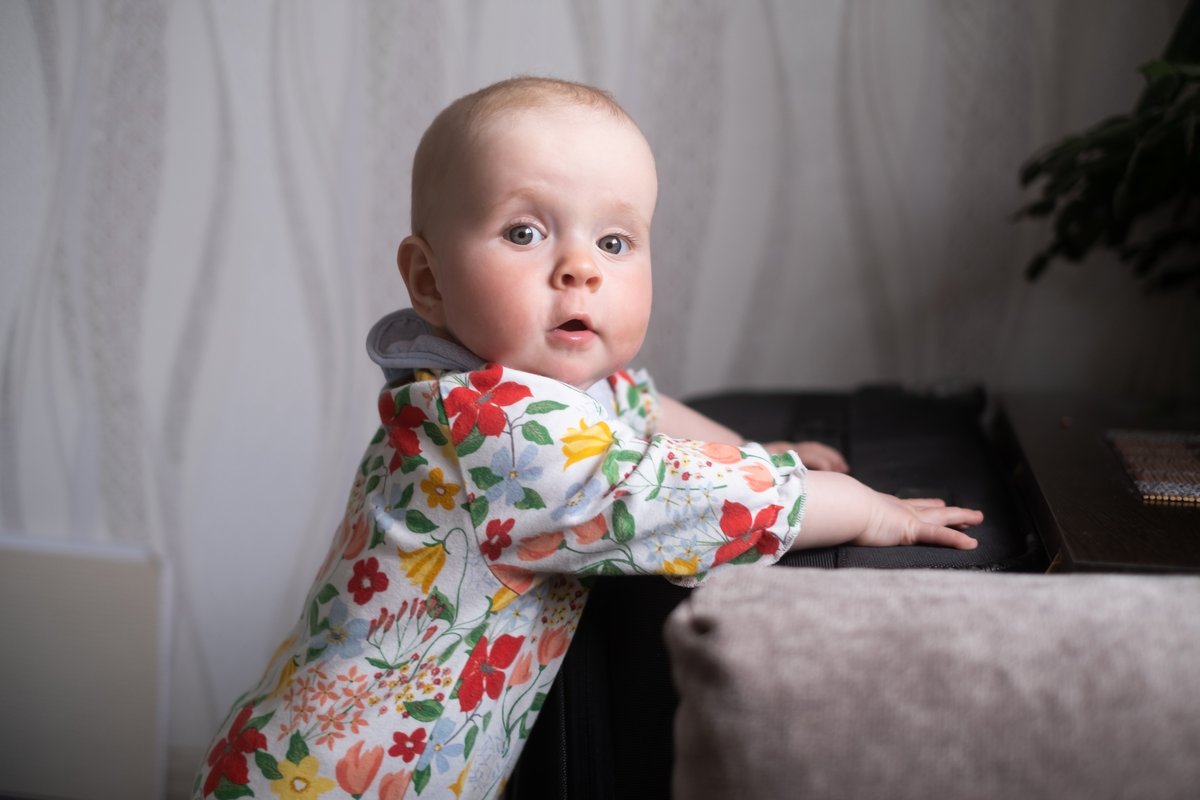
Signs of a 9 month sleep regression usually appear as frequent night wakings, resisting daytime naps, and difficulty falling asleep independently. This sleep regression is often triggered by the baby wanting to practice new skills, like crawling or standing, even during their sleep. Additionally, separation anxiety, which can intensify during this period, might cause your baby to cry when they wake up at night and do not see you nearby.
When managing this phase, sticking to your current routine is the safest approach rather than enforcing new sleep habits. Comforting your baby during night wakings without turning on the lights or making too much physical contact will make it easier for them to return to sleep.
9 Month Old Feeding Schedule and Daily Routine
In a 9-month-old's diet, 2 to 3 meals of complementary feeding containing mashed fruits, vegetables, and proteins are given daily, in addition to the main meal of breast milk or formula. The Centers for Disease Control and Prevention (CDC) and the American Academy of Pediatrics (AAP) emphasize that solids are vital at this stage to meet the baby's increasing energy needs and prevent the risk of iron deficiency. A 9 month old feeding schedule becomes easier to manage now, as your baby can comfortably tolerate more textured foods.
Even as solid food portions increase, it is important to remember that breast milk or formula remains the baby's primary nutritional source until age 1. Additionally, babies under 1 year old should never be given honey due to the risk of botulism; salt or sugar should not be added to their meals for optimal kidney and overall health development.
Sample Menu Plan for a 9 Month Old
A sample menu plan for nine-month-olds includes fruit or cereal puree in the morning, vegetable soup or mash for lunch, and portions containing well-cooked meat or legumes for dinner. Especially when structuring a 9 month baby feeding schedule, it is essential to focus on finger foods that encourage self-feeding.
During these months, your baby develops the pincer grasp, a skill that allows them to pick up objects by bringing their thumb and index finger together. Foods like steamed carrots, soft bananas, or well-cooked pasta support this ability. You can review 8-month-old baby development to see how habits from previous months have evolved.
When Do Babies Start Crawling and Standing?
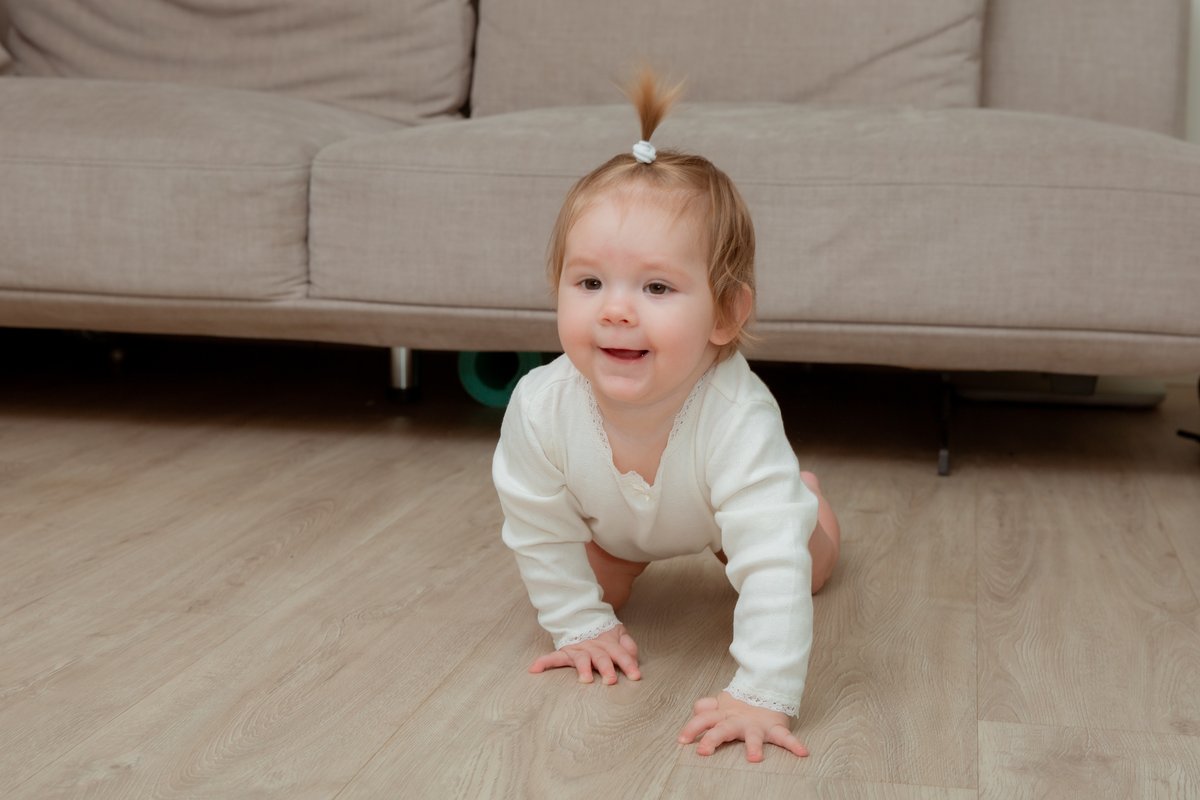
Most babies start crawling or pulling up to stand with the support of furniture between 7 and 10 months on average. There is no definitive answer to when do babies start crawling because gross motor skills develop at a different pace for every baby. Some babies may prefer scooting on their bottoms, while others might skip crawling entirely and go straight to cruising or standing.
You can encourage your baby to move by placing safe toys just out of their reach. You can find more detailed information on when babies start crawling by reviewing developmental milestones.
Communication Skills and Social Development
The communication skills of a nine-month-old revolve around turning when their name is called, understanding tone of voice, and expressing basic needs by pointing or babbling. Fine motor skills also become a part of communication during this period; babies might point their index fingers at an object they want or raise their arms to give a "pick me up" message.
The American Academy of Pediatrics (AAP) recommends talking to babies frequently and narrating your actions out loud to support their language development. Smiling and responding when your baby makes sounds boosts their eagerness to communicate. This growing interaction will turn into more intentional word attempts in the upcoming 10-month-old baby development phase.

Summary and Next Steps
Sleep routine: Track your baby's 2.5 to 3.5-hour wake windows and stick to your established bedtime rituals during regressions.
Feeding schedule: While increasing meal frequency to 2-3 times a day, offer safe finger foods, ensuring your baby consumes no honey, salt, or sugar until age 1.
Physical activity: Create safe exploration areas in your home by softening furniture corners for crawling and cruising attempts.
Communication practice: Support language development by responding to your baby's sounds with words and narrating your daily routines.
When to Consult a Pediatrician About 9 Month Old Milestones?
Although every baby has a different developmental pace, certain timeframes are observed for specific gross motor and communication milestones. The following signs warrant an evaluation by a pediatrician to rule out any developmental delays:
While babies are generally expected to roll over in both directions by 6 to 7 months, if your baby is 9 months old and still cannot roll from stomach to back or back to stomach,
If most babies start sitting without support around 8 months, but your baby cannot sit even with support or constantly loses balance,
If they completely refuse to bear weight on their legs when supported under the arms,
If they do not respond when their name is called or do not look toward the source of sounds,
If they avoid making eye contact and do not engage in babbling that includes consonants (like ba-ba, da-da), it is recommended to inform your doctor.
This content is for informational purposes only; always consult your pediatrician for diagnosis and treatment.
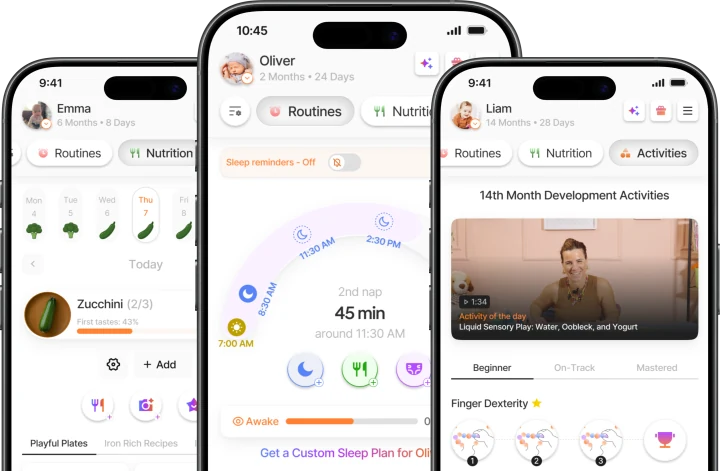
Understanding your baby's changing needs every month and closely tracking their developmental progress can sometimes feel overwhelming. To make this journey clearer, you can use the percentile calculator in the Yuppo app and easily log their growth curve.
Additionally, you can safely support your baby's motor and language development at home with the app's weekly activity suggestions, tailored specifically to their age and developmental skills. You can also gain detailed information about the next steps of your baby’s development by checking out our 10-month-old baby development article.
Frequently Asked Questions
How many hours should a 9 month old sleep?
Nine-month-old babies generally sleep between 12 and 15 hours a day. About 10 to 12 hours of this sleep happens at night, while the remaining 2 to 3 hours are split into two daytime naps.
Why is my 9 month old waking up at night?
The reasons for frequent night wakings in nine-month-olds are usually sleep regressions, teething, or sudden leaps in motor skills. The separation anxiety that peaks around this time can also cause the baby to want their parents close at night.
What words can a 9 month old say?
While nine-month-olds cannot yet form meaningful words, they can babble by repeating vowels and consonants, such as "ba-ba," "da-da," and "ma-ma." Even if these sounds seem random, they are significant first steps in their effort to communicate.
When do babies start standing without support?
Most 9-month-old babies cannot stand without support for long, but they can pull themselves up and cruise by holding onto a sofa, table, or their parents' hands. The ability to stand completely unsupported usually starts developing after 10 months.
How long does the 9 month sleep regression last?
The 9 month sleep regression is generally considered a temporary phase that can last anywhere from a few weeks to a month. Sleep patterns mostly return to normal as the baby gets used to their new physical skills and learns to cope with separation anxiety.
How many meals should a 9 month old eat?
In a nine-month-old's feeding routine, solids are typically planned as 2 to 3 main meals a day—morning, lunch, and dinner. These meals consist of purees or soft finger foods that the baby can hold themselves.
References
American Academy of Pediatrics. (2009). Language Development: 8 to 12 Months. HealthyChildren.org. https://www.healthychildren.org/English/ages-stages/baby/Pages/Language-Development-8-to-12-Months.aspx

Dr. Çiğdem İrem İleri
Developmental Psychologist
After graduating from Koç University in 2019 with a double major in Psychology and Media and Visual Arts, alongside track programs in Design, Gender Studies, and Media and Management, Çiğdem İrem İleri began her integrated doctoral studies in Developmental Psychology at the same institution that same year.