7-Month-Old Baby Development - Crawling, Sounds, and Sitting

This article is approved by Çiğdem İrem İleri
Published: 12 March, 2026
Updated: 30 July, 2026
At a Glance
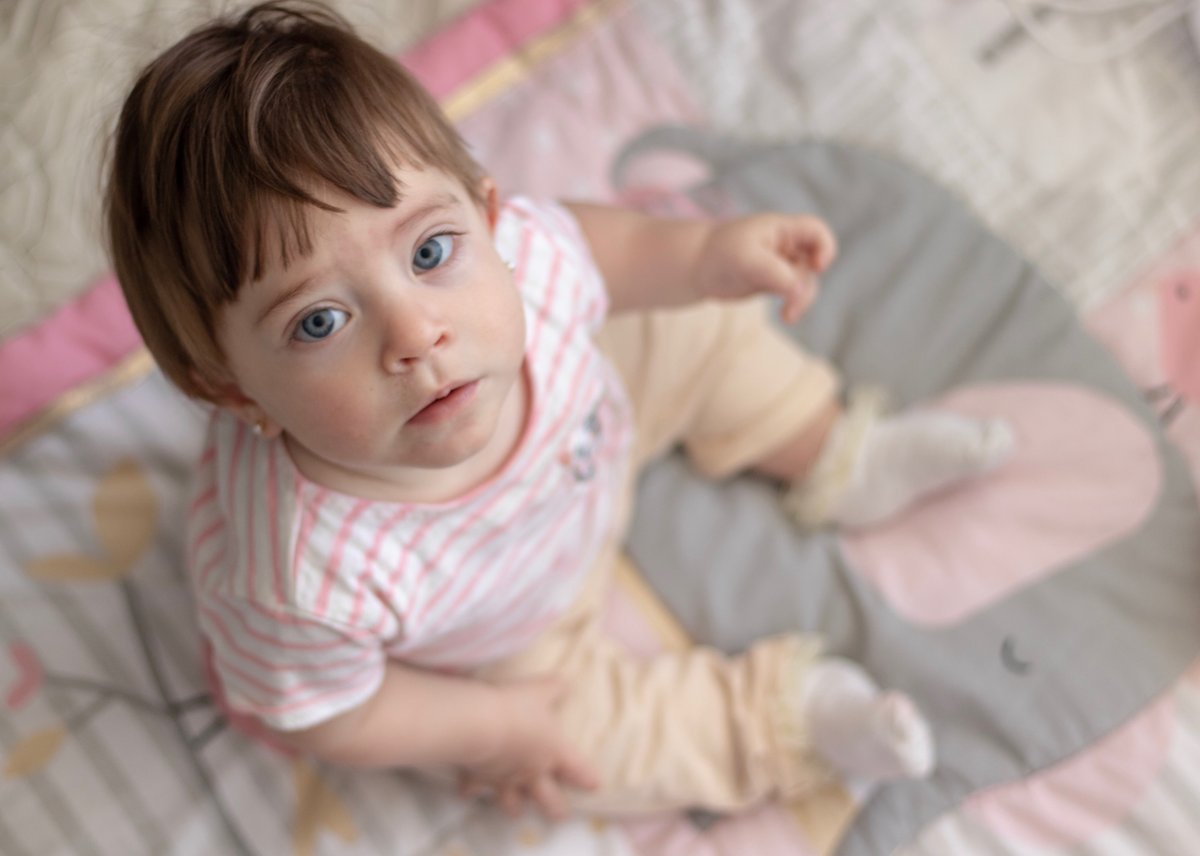
7 month old babies mostly gain the ability to sit without support or with very little support between 6 and 8 months.
Crawling or belly-crawling efforts in babies usually begin in a developmental window ranging from 6 to 10 months.
Daily sleep needs average between 12-14 hours, and preparations to transition from 3 to 2 daytime naps take place.
The ability to grasp object permanence develops during these months, which may cause short-term separation anxiety.
7 month old baby milestones represent an active transition period where your baby generally starts sitting without support, combines syllables, and experiences changes in their sleep schedule. For parents who have children aged 0-6 and are tired of fluctuating routines, this period can seem complex at times. In this guide, you will learn about the developmental steps you might encounter during the 7th month—from motor skills and sleep regressions to language development and social awareness—with a compassionate approach.


7 Month Old Baby Milestones: Physical and Social Changes
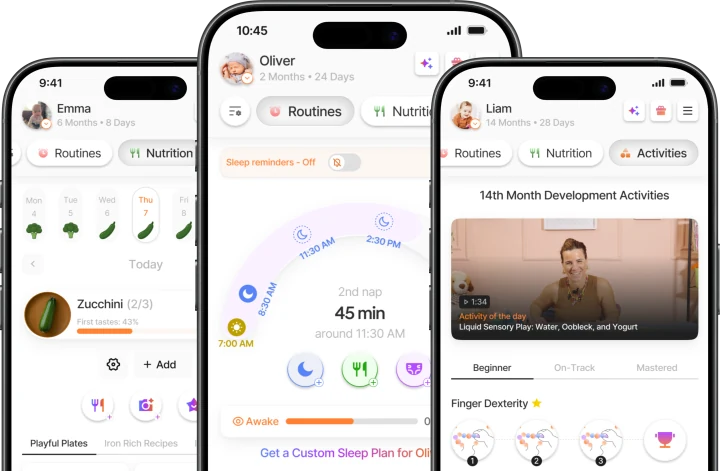
7 month old baby milestones generally consist of sitting without support, babbling, and understanding object permanence, skills typically gained between 6 and 9 months. Because every baby's genetic makeup is different, the timing of these steps varies from baby to baby. The neck and back muscle control, whose foundations were laid during the 6 month old development phase, turns into more distinct trunk control during this period. As parents, it is important to observe your own baby's unique rhythm at this stage.
Development does not always progress in a straight line; some weeks may pass quietly, while sometimes you might see a new skill added overnight. If you want to understand which areas your baby is more interested in and track these processes daily, you can easily record their milestones with the development tracking tool in the Yuppo app.
Gross motor skills and independent movement
In the seventh month, gross motor skills manifest as most babies rolling over, establishing sitting balance by supporting themselves with their hands, and making their first crawling attempts. According to the World Health Organization (WHO) motor development milestones guidelines, babies gain the ability to sit without support within a broad developmental window averaging between 4 and 9 months.
During this period, you may see your baby getting into a push-up position on their hands to watch their surroundings or trying to roll from one end of the room to the other. The question of baby sitting up milestones usually becomes clear during these months, and many babies manage to balance in a tripod position by supporting themselves with their hands.
Social awareness and separation anxiety
Social awareness and separation anxiety are natural reactions that babies between 7 and 9 months show when they are distanced from their caregiver, and it is a result of their grasp of object permanence. According to the American Academy of Pediatrics (AAP) early childhood guidelines, the separation anxiety that starts in these months is a highly healthy cognitive step indicating the development of memory and secure attachment.
Babies now know that you do not completely disappear when you leave the room and they wait for you to return. While this situation can be challenging at times, it is a reflection of the secure bond your baby has with you. Playing games like peek-a-boo during short separations or continuing to talk to them can help ease their anxiety.
When Do Babies Start Crawling? 7th Month Motor Skills
Babies usually start crawling or belly-crawling in different styles between 6 and 10 months, depending on their own muscle development pace. The process of when do babies start crawling is not bound to a standard sequence; some babies may skip this stage entirely and move directly to the standing phase. Rocking on their knees or sliding backward while trying to move forward are very common attempts for your baby.
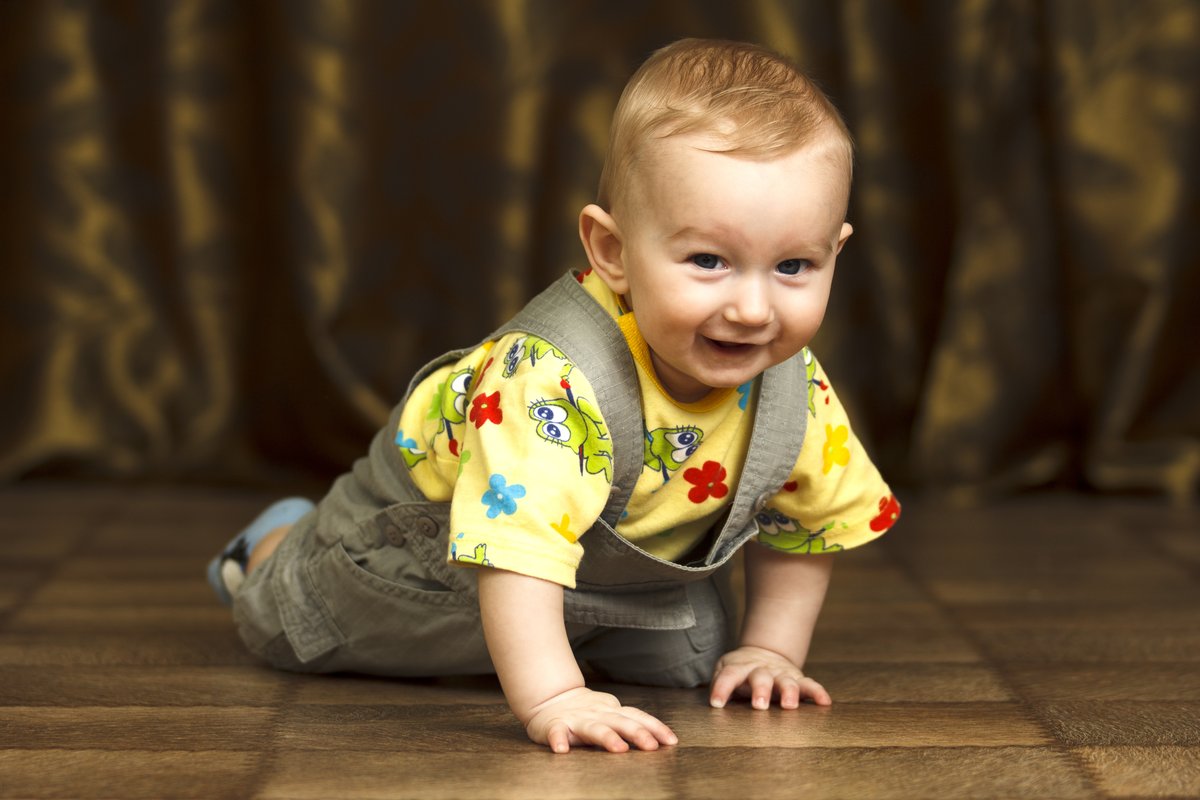
Crawling efforts allow the baby to establish right-left brain coordination while also strengthening their shoulder and hip muscles. It is best to be patient during these attempts and support babies at their own developmental pace.
Types of crawling and the preparation process
Types of crawling in babies encompass various movement forms such as classic hands-and-knees crawling, commando crawling on the belly, or scooting around on their hips while sitting. While some babies move asymmetrically by bending one leg and extending the other, some choose to reach their goal simply by spinning in circles. Forward and backward rocking movements during the preparation process indicate that the muscles are beginning to be used with proper timing.
Ways to encourage babies to crawl
Ways to encourage babies to crawl include providing them with tummy time on a safe, firm surface during their awake hours and placing toys that interest them slightly out of reach. Getting down to your baby's level and making eye contact increases their motivation. Large play mats are ideal, as overly soft surfaces or spending a long time in bouncers can restrict mobility.
7 Month Old Sleep Schedule and 7 Month Sleep Regression
A 7 month old sleep schedule mostly includes 10-12 hours at night and 2-3 hour segments during the day, while a 7 month sleep regression is the temporary disruption of this cycle due to newly acquired physical skills. During this period, you might notice your baby having trouble falling asleep, waking up frequently at night, or resisting daytime naps. Babies tend to practice the skills they learned during the day, such as crawling or rolling, in their sleep as well.
The table below summarizes the general sleep and wakefulness needs of babies around this month:
Sleep and Wakefulness Area | Expected Average Duration for 6-8 Month Old Babies |
|---|---|
Nighttime Sleep | 10 - 12 hours (Brief awakenings may occur) |
Daytime Sleep | 2 - 3 hours (Usually 2 or 3 naps) |
Wake Window | Average of 2 - 3 hours between each sleep |
Total Daily Sleep | Between 12 - 14 hours |
As indicated in the table, wake windows gradually extend to the 2 to 3-hour range during these months. When examining a 7 month old sleep schedule, transitioning from 3 to 2 daytime naps is the most prominent feature of this period. Gently laying them back down and soothing them during night awakenings will help you get through regression periods more smoothly.
Language Development and Sounds: Communication Skills at 7 Months
In the seventh month, language development becomes evident with syllable repetitions like "ba-ba" and "ma-ma" that babies produce by combining consonants and vowels, and their ability to adjust their tone of voice according to their emotions. Although these sounds are not yet conscious words, they are important practices where the speech apparatus is tested. Your baby easily understands whether you are happy or playful from the tone of your voice.
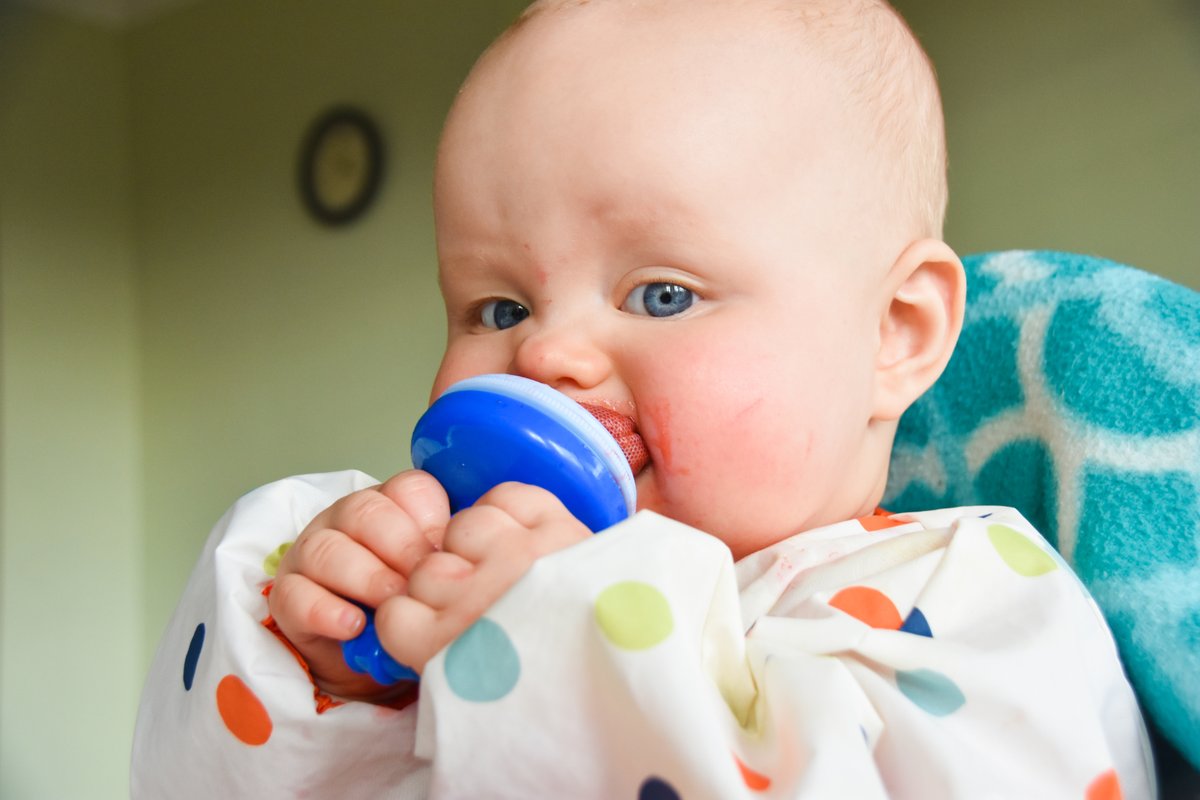
Imitating the sounds they make and giving them a turn to respond strengthens the foundation of communication between you. Turning to look when they hear their name shows that their capacity to understand what is said has developed. Reading books and narrating daily routines are great investments for their vocabulary.
Summary and Next Steps
Create a Physical Space: Set up a wide and clean play area on the floor, free of dangerous objects, so your baby can safely attempt movements.
Be Flexible with the Sleep Routine: Maintain your bedtime routines to cope with sleep regressions; prevent overtiredness by keeping wake windows around 2-3 hours.
Have Conversations: Respond to your baby's syllables like "ba-ba"; support their language development this week by narrating your steps while doing daily household chores.
Compassion for Separation Anxiety: Wave goodbye and say you will return when leaving the room; make it easier for them to grasp object permanence by playing short peek-a-boo games.
When to Consult a Professional for 7 Month Old Development?
When monitoring 7 month old baby milestones, it is important to consult a pediatrician if the baby cannot sit with support, does not respond to sounds, or if their body is extremely floppy. Although every baby has a different pace, the following signs indicate a need for a developmental evaluation:
Inability to hold their head steady or slumping forward when placed in a sitting position with support, despite completing their 7th month.
Not bearing any weight on their legs when their feet are placed on the ground, or their body consistently remaining extremely stiff/tight.
Showing no reaction to loud sounds in their environment or not making basic syllables like "ba" and "ma".
Not trying to reach for objects with both hands or not transferring objects between their hands.
Showing no signs of smiling, eye contact, or attachment towards caregivers.
One or both eyes consistently crossing inward or outward.
This content is for informational purposes only; always consult your pediatrician for diagnosis and treatment.
Closely tracking the new motor skills your baby has gained and their changing sleep needs makes your parenting journey more predictable. Being able to quickly access reliable information relaxes your mind to navigate this active period more consciously.
In the Yuppo app, you can track your baby's developmental steps weekly and receive age-appropriate activity and content suggestions. For guidance that will be by your side in every moment, from their crawling efforts to sleep transitions, you can start tracking their development step by step with Yuppo right away. You can also gain detailed information about the next steps of your baby’s development by checking out our 8-month-old baby development article.
Frequently Asked Questions
When do babies start crawling exactly?
The time babies start crawling usually varies between 6 and 10 months and is not bound to a specific month. Some babies may prefer belly-crawling over classic crawling, while others might skip crawling altogether and focus on standing up.
What should a 7 month old sleep schedule look like?
A 7 month old sleep schedule generally consists of 10-12 hours of nighttime sleep and daytime naps taken 2-3 times a day. The average total daily sleep requirement is between 12-14 hours, and wake windows are kept around 2 to 3 hours during these months.
What are the baby sitting up milestones at 7 months?
Depending on their motor development pace, 7 month old babies can usually sit by supporting themselves with their hands or without support. Most babies can sit without support for short periods in a tripod position during this time; as their back muscles develop, the duration of sitting upright without help gradually increases.
What are the signs of a 7 month sleep regression?
Signs of a 7 month sleep regression include waking up frequently at night, having trouble falling asleep, and resisting daytime naps. Babies practicing newly learned motor skills in their sleep, such as rolling over or crawling in bed, lead to these disruptions.
What are the best 7 month old development activities?
The best 7 month old development activities include playing peek-a-boo, which teaches object permanence, and tummy time exercises that support motor skills. Placing colorful toys within reach and reading picture books support their development in a multifaceted way.
References
World Health Organization. (2006). WHO Motor Development Milestones. World Health Organization. https://www.who.int/tools/child-growth-standards/standards/motor-development-milestones
American Academy of Pediatrics. (2009). Developmental Milestones: 7 Months. HealthyChildren.org. https://www.healthychildren.org/English/ages-stages/baby/Pages/Developmental-Milestones-7-Months.aspx

Dr. Çiğdem İrem İleri
Developmental Psychologist
After graduating from Koç University in 2019 with a double major in Psychology and Media and Visual Arts, alongside track programs in Design, Gender Studies, and Media and Management, Çiğdem İrem İleri began her integrated doctoral studies in Developmental Psychology at the same institution that same year.