6-Month-Old Baby Development - Starting Complementary Foods and Motor Skills

This article is approved by Çiğdem İrem İleri
Published: 12 March, 2026
Updated: 30 July, 2026
At a Glance
The 6 month old baby milestones phase is an exciting period when babies begin solids in addition to breast milk, and their motor skills rapidly accelerate.
At six months, 6 month old wake windows usually range between 2 and 3 hours, and babies need an average of 12-14 hours of sleep a day.
When following a starting solids guide, offering each new food one at a time and using the 3-day rule for allergy tracking is the foundation of a healthy transition.
Reaching the 6 month old baby milestones marks an exciting time when your baby is introduced to solids for the first time alongside breast milk or formula, and their physical mobility rapidly increases. Amidst changes like a new 6 month old sleep schedule, growth spurts, and meal preparations, it is completely natural for parents to feel tired occasionally. This guide is designed to provide a compassionate and science-backed roadmap for everything you wonder about, from managing sleep regressions and ideal wake windows to creating a balanced feeding routine.


Starting Solids at 6 Months: How Much Should a 6 Month Old Eat?
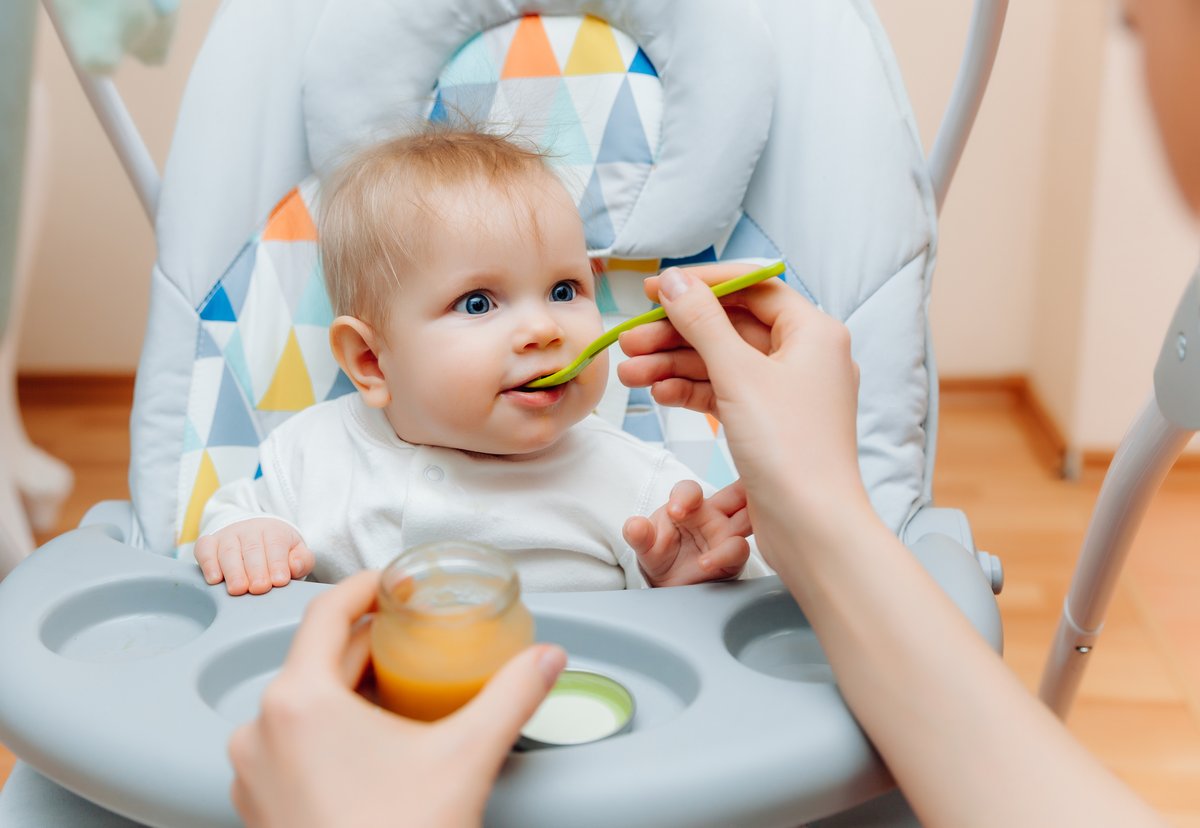
When wondering how much should a 6 month old eat, it helps to view the feeding schedule as a flexible routine. Breast milk or formula remains the primary source of nutrition, while soft, puréed solids are offered just 1-2 times a day as a tasting experience. The World Health Organization (WHO) and the American Academy of Pediatrics (AAP) recommend exclusive breastfeeding for the first 6 months, followed by the introduction of nutrient-dense complementary foods. At this stage, the main goal is not to fill your baby up, but to introduce them to new flavors and textures. To reduce the risk of iron deficiency, well-mashed red meat, fully cooked egg yolks, and iron-fortified baby cereals are excellent starting options. Allowing your baby to progress at their own pace without pressure makes the process enjoyable.

BLW and Purée Methods
BLW (Baby-led weaning) is an approach that allows the baby to hold and eat soft foods with their own hands, while the purée method is a traditional way where foods are mashed and spoon-fed by the parent. Both methods have their own benefits, and many parents follow a hybrid path that combines the two. The BLW method supports the baby's hand-eye coordination, whereas the purée method makes swallowing easier during the initial contact with food. Whichever method you choose, your baby being able to sit unsupported and having a developed swallowing reflex are the most fundamental readiness signs for starting solids.
Allergy Risk and the 3-Day Rule
The 3-day rule used to monitor allergy risks is a safety method where every new food is offered to the baby by itself and in small amounts for three days, allowing you to observe any potential physical reactions. The AAP recommends applying this rule when introducing new foods to accurately identify food allergies. Additionally, experts nowadays may also recommend trying 'one food per day' to introduce allergens earlier and reduce the risk of developing allergies. If symptoms such as skin rashes, vomiting, or respiratory distress occur, pause the food in question and consult your doctor. Starting with easily digestible foods like yogurt, carrots, or apples often ensures a smooth transition.
6 Month Old Sleep Schedule and Ideal Wake Windows
A healthy 6 month old sleep schedule includes 10-12 hours of nighttime sleep and 2-3 short daytime naps, while ideal 6 month old wake windows generally range between 2 and 3 hours. At this age, sleep architecture gradually enters a more regular cycle. However, factors like teething, increased physical activity, or separation anxiety can sometimes make falling asleep difficult. Observing tiredness cues such as eye rubbing, yawning, or ear pulling as the end of the wake window approaches helps prevent overtiredness. If needed, you can review a month-by-month baby sleep guide to help shape your expectations.
The table below summarizes the generally expected sleep durations at six months:
Number of Daytime Naps | Average Wake Window | Total Daytime Sleep | Total Nighttime Sleep |
|---|---|---|---|
Usually 2-3 Naps | 2 - 3 Hours | 2 - 3.5 Hours | 10 - 12 Hours |
The values in this table reflect averages; every baby's sleep needs can vary. While trying to establish your baby's sleep routine, you can use the development tracking tools in the Yuppo app, logging daily wake windows to easily plan your own routine.
Daytime Sleep Planning and Nap Times
Daytime sleep planning for 6-month-olds generally covers a total resting period of 2-3.5 hours, usually consisting of one long nap in the morning and afternoon, and a short nap in the late afternoon. The morning nap happens roughly 2 hours after starting the day and supports mental rest. The afternoon nap allows physical energy to recover, while a brief 30-45 minute late-afternoon nap prevents your baby from going into nighttime sleep overly tired.
What is the 6 Month Sleep Regression and How to Manage It?
The 6-month sleep regression is a temporary period where a previously well-sleeping baby begins to wake up frequently at night and struggles to fall asleep due to newly acquired motor skills, separation anxiety, or growth spurts. This phase, which can be exhausting for parents, generally lasts between 2 and 4 weeks. Your baby's mind is so active that they might want to practice new skills, like rolling over, even while sleeping.
The healthiest approach to navigating this period with compassion is sticking to your current sleep routine. During night wakings, maintaining the room's dark and quiet environment and reassuring your baby with calming touches without turning on the lights will make it easier for them to return to sleep. You can frequently remind yourself that this is simply a healthy growth leap.
Motor Skills and Developmental Milestones in 6-Month-Olds
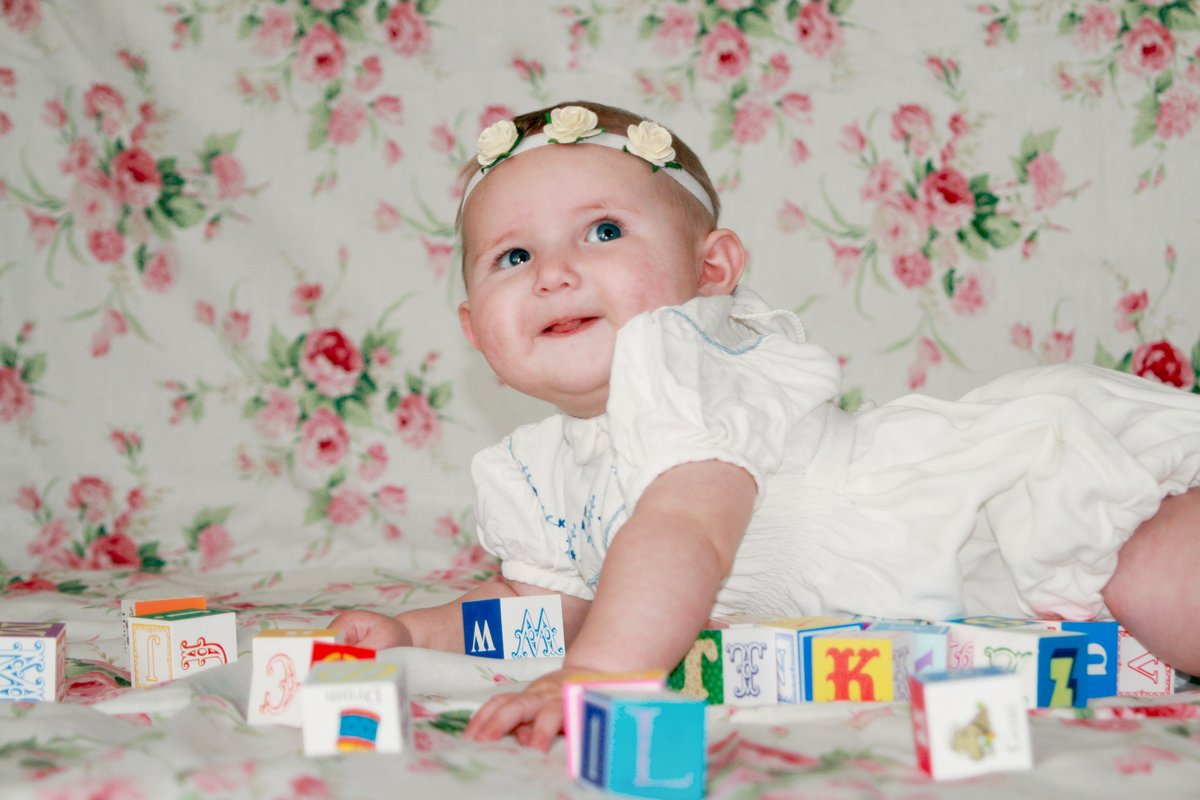
The 6 month old baby milestones include the development of fundamental gross and fine motor skills such as sitting with support, rolling over in both directions, and passing objects from one hand to the other. During this period, babies are physically much more eager to explore their surroundings. While doing tummy time, they can push up on their arms, lift their chests, and reach for toys in the distance. The increase in their fine motor skills becomes evident as they start to grasp small objects with their fingers. While many parents wonder when babies sit up, it is comforting to remember that most babies begin to establish their sitting balance gradually between 5 and 7 months.

Sitting Unsupported and Rolling Over
While supported sitting attempts gradually turn into a few seconds of unsupported positions, full-turn rolling movements from belly to back and back to belly usually become much smoother around the sixth month. Since a baby's muscle development progresses from top to bottom, their neck and back muscles get increasingly stronger during these months. Providing supervised tummy time on a safe play mat during the day is an excellent exercise to support these muscles. Every baby takes these steps on their own timeline; to support physical development, you can discover suitable options for your baby among the 10,000+ mini-games and activities in the Yuppo app.
Summary and Next Steps
Starting solids: Begin with small tastings and introduce each new food following the 3-day rule. This week, you can comfortably observe their reactions by trying a single new purée like carrot or apple.
Sleep schedule: Try to keep wake windows within the 2-3 hour range by watching for sleepy cues. You can establish a calming bedtime routine in the evenings.
Supporting motor skills: Increase tummy time activities when your baby is awake. Placing colorful toys they find interesting nearby can encourage them to reach out.
Managing sleep regression: When they wake at night, try to stay calm and avoid turning on the lights; reassure them with your presence to help them fall back asleep.
When to Contact a Doctor
Lack of head control: While a head dropping unsupported is expected in the early months, by the 6th month, if your baby cannot hold their head up and steady while being held or sitting with support, they should be evaluated by a doctor.
Physical inactivity: It is common for babies to dislike tummy time; however, if a 6 to 7-month-old baby makes no attempt to push up on their arms, lift their chest, or show signs of rolling over, a pediatrician should be consulted.
High fever threshold: For babies older than 3 months, a fever up to 38°C (100.4°F) can generally be considered a normal reaction to mild infections or teething. However, if the fever exceeds 38.5°C (101.3°F) or lasts longer than 3 days, a doctor must be consulted. Fever-reducing medications (like ibuprofen) should only be used in babies 6 months and older, and always with a doctor's guidance.
Unresponsiveness to stimuli: It is normal for a baby to occasionally ignore sounds, but if your 6-month-old does not startle at loud noises, track objects with their eyes, or smile at you, a hearing or vision test may be necessary.
This content is for informational purposes only; always consult your pediatrician for diagnosis and treatment.
Witnessing a brand new development every day during your baby's miraculous first months is a tremendous joy. The excitement of starting solids and the progress in motor skills will become some of the most unforgettable memories of your parenting journey. It is completely natural to feel tired during sleepless nights or sleep regressions; please remember that you are moving at your own pace and doing a wonderful job.
To track all your baby's developmental milestones weekly and access the supportive content you need while building a sleep or feeding routine, you can try the Yuppo app for free. You can joyfully support your baby's mental and physical development with age-appropriate activities. You can also gain detailed information about the next steps of your baby’s development by checking out our 7-month-old baby development article.
Frequently Asked Questions
How much should a 6-month-old sleep?
6-month-old babies generally sleep an average of 12 to 15 hours in total, consisting of 2-3 hours of daytime sleep and 10-12 hours of nighttime sleep. Sleep durations can vary slightly from day to day due to teething or growth spurts.
What solid foods can a 6-month-old eat?
As part of a starting solids guide, 6-month-olds can eat easily digestible foods like well-mashed carrots, zucchini, apples, pears, plain yogurt, and fully cooked egg yolk. Serving puréed or soft foods one at a time using the 3-day rule is the safest approach.
How long does the 6-month sleep regression last?
The 6-month sleep regression is typically a phase where new motor skills are acquired and growth spurts occur, lasting an average of 2 to 4 weeks. By remaining patient and maintaining your current sleep schedule, normal sleep patterns usually resume.
Can a 6-month-old sit unsupported?
Many 6-month-old babies start sitting with the support of a pillow or high chair, and some can balance unsupported for a few seconds. The ability to sit fully unsupported for longer periods generally develops gradually between 5 and 7 months as muscles strengthen.
What is the best first food for a 6-month-old baby?
When starting solids, it is recommended to offer easily digestible vegetable or fruit purées with a low allergy risk, such as plain yogurt, apples, pears, or carrots. While breast milk or formula remains the main meal, solids should be offered as a 1-2 teaspoon tasting.
References
World Health Organization. (2023, September 1). Infant and young child feeding. https://www.who.int/news-room/fact-sheets/detail/infant-and-young-child-feeding.
American Academy of Pediatrics. (2022, August 12). Starting Solid Foods. HealthyChildren.org. https://www.healthychildren.org/English/ages-stages/baby/feeding-nutrition/Pages/Starting-Solid-Foods.aspx
National Health Service. (2024). High temperature (fever) in children. https://www.nhs.uk/symptoms/fever-in-children/

Dr. Çiğdem İrem İleri
Developmental Psychologist
After graduating from Koç University in 2019 with a double major in Psychology and Media and Visual Arts, alongside track programs in Design, Gender Studies, and Media and Management, Çiğdem İrem İleri began her integrated doctoral studies in Developmental Psychology at the same institution that same year.