Baby Cognitive Development Milestones: 0-3 Years Guide

This article is approved by Yuppo Lab Developmental Psychologist
Published: 01 August, 2026
Updated: 01 August, 2026
At a Glance
In the first three years, a baby's brain volume reaches about 80% of its adult size, making this the most intense phase for cognitive development.
Most babies develop object permanence between 10 and 12 months, understanding that items don't disappear when out of sight.
Symbolic play and imaginative imitation skills usually emerge between 15 and 24 months.
Every baby learns at their own pace; cognitive milestones span a broad developmental window rather than a single month.
Cognitive development in babies is the month-by-month expansion of a child's capacity to understand their environment, think, and solve problems from day one. This process involves a massive flow of information in terms of baby developmental milestones. From the moment they open their eyes, babies start processing the sounds, colors, and textures around them. This guide is designed to explain the cognitive milestones of the first three years simply and clearly for parents with a 0-6 year old who often feel anxious. Throughout this article, you will learn how your baby's memory, reasoning, and attention skills take shape by month.


What Are the 0-12 Month Cognitive Development Stages in Babies?
The 0-12 month cognitive development stages in babies are foundational mental steps that include the transition from reflexes to conscious movements, recognizing faces, and grasping the existence of objects. The first year is a foundational period where babies explore the world around them through their senses. During these months, babies process new data every second, from examining their own hands to listening to the sound of a dropped toy.
You can review the table below as a general reference to track cognitive milestones in the first year:
Age Range | Observed Cognitive Milestone | Parent's Supportive Role |
|---|---|---|
0-4 Months | Examining faces and turning to the source of sound. | Making eye contact and speaking in a soft voice. |
5-8 Months | Establishing cause and effect (dropping toys). | Providing space for them to explore safe objects. |
9-12 Months | Understanding object permanence and simple imitation. | Playing games like hide-and-seek and peek-a-boo. |
The appearance times of the skills in the table are average developmental windows; every child has their own pace of progress.
5-8 Months: Exploration and Interaction
Exploration and interaction between five and eight months begin with babies bringing objects to their mouths and planting the first seeds of cause and effect. This phase, during the 5 month old milestones period, is a timeframe where the desire to physically manipulate the world increases.
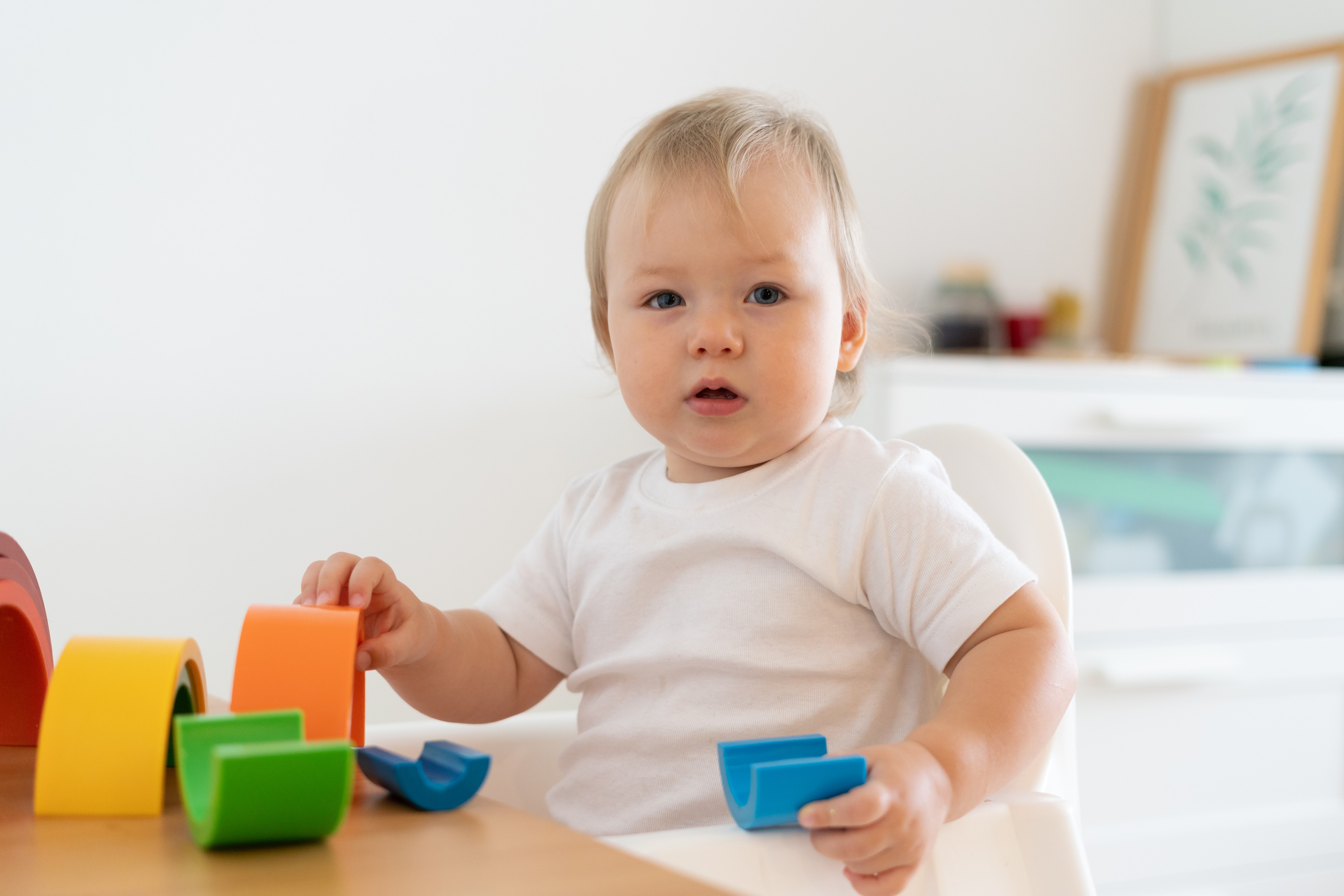
The American Academy of Pediatrics (AAP) states that it is a sign of healthy development when babies examine the sounds they make by banging objects together. Most children in this timeframe start responding to their own name and distinguishing familiar faces from strangers as they approach the 7 month milestones and 8 month milestones.
10-12 Months: Object Permanence and Imitation
Object permanence and imitation between ten and twelve months manifest with babies looking for a hidden toy and copying simple gestures. Object permanence, defined by Swiss psychologist Jean Piaget, is the understanding that an object continues to exist even when it is out of sight.
This concept usually becomes prominent around the 10 month old milestones. Playing peek-a-boo is a great source of fun during this time. Copying gestures like waving is proof that their communicative intelligence is developing.
12-24 Months: Cognitive Skills and Problem Solving
Cognitive skills and problem solving between twelve and twenty-four months involve children learning through trial and error and using objects for their intended purpose. A toddler is a little researcher testing boundaries. Emptying drawers or stacking boxes are the mental workouts of this period.
15-18 Months: The Beginning of Symbolic Play
The beginning of symbolic play between fifteen and eighteen months is the stage where children start using objects outside their real functions through imagination. The 15 month old milestones in this period represent the child's steps from the concrete world toward abstract thinking.
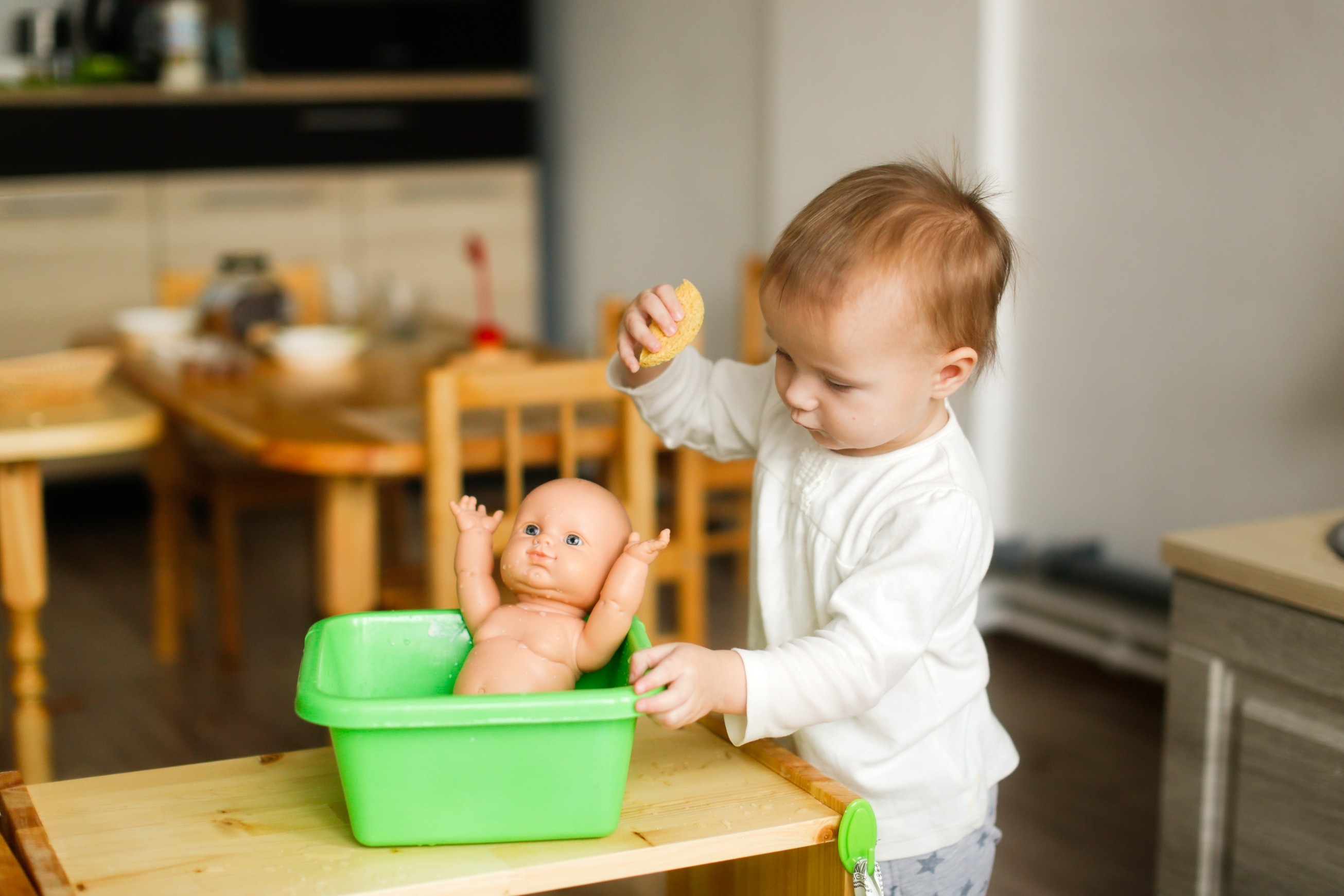
Symbolic play increases mental flexibility. Your child using a hairbrush like a microphone shows they are modeling daily routines in their mind.
Critical Cognitive Milestones at 2 Years
Critical cognitive milestones at 2 years include children sorting objects by shape and following two-step instructions. In this stage, cause-and-effect relationships are clearly understood. While cognitive development 18-24 months accelerates, within the 2 year old developmental milestones, it is common to see children attempting to solve their own problems, like trying different angles to force open a stuck box lid.
24-36 Months: Thinking and Reasoning in Toddlers
Thinking and reasoning in children between twenty-four and thirty-six months involve distinguishing fantasy from reality and making connections between events. In this age range, the brain rapidly links the words they hear, the behaviors they see, and the events they experience.
Sorting and Memory Skills
Sorting and memory skills take shape during this period as children group items by specific features and remember recent events. Children reach the mental maturity to line up toy cars on one side and animal figures on the other. Remembering the park they went to yesterday and expressing it in short sentences begins in this period.
3-Year-Old Cognitive Development Characteristics
3-year-old cognitive development characteristics consist of children's ability to complete simple puzzles and follow the storyline in books. Within the 3 year old developmental milestones, children create more complex scenarios in their play.
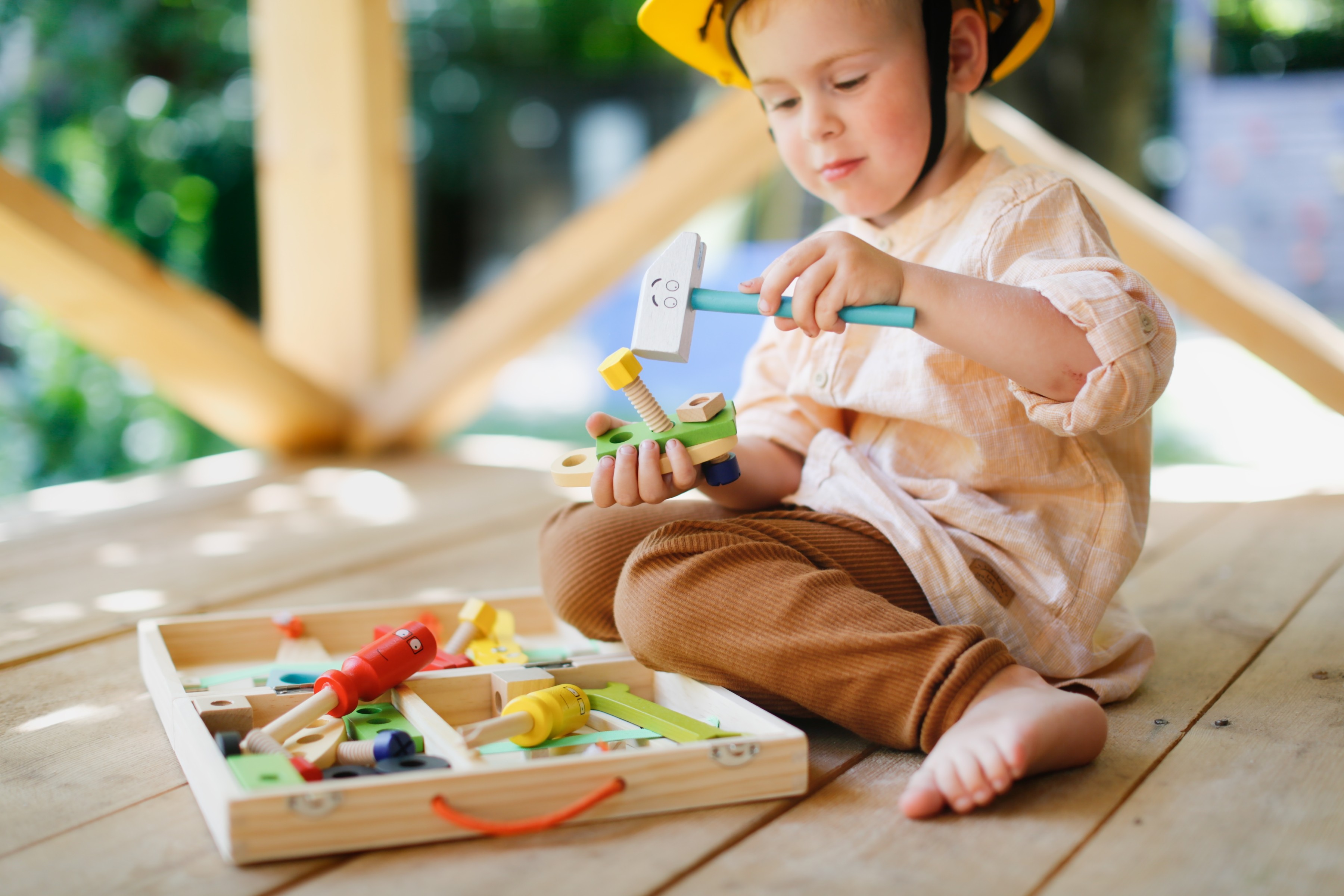
Children can better anticipate the outcomes of their actions and integrate basic reasoning into their lives.
Daily Activities That Support Baby Cognitive Development
Daily activities that support baby cognitive development include playing age-appropriate block games, reading books, and narrating routines aloud. The affectionate eye contact parents make with their children is the primary fuel for brain development. Experiencing different types of play or experimenting with sounds using kitchen utensils naturally expands mental capacity.
To find the most age-appropriate play suggestions for your baby, you can explore over 10,000 mini-games and milestone tracking features in the Yuppo app, easily incorporating mental activities into your routine.
Developmental Delays: When to Consult a Professional?
The time to consult a professional for developmental delays is when a child loses previously acquired skills or does not show the expected responses within a specific developmental window. It is important to remember that every baby grows at their own pace; while one baby starts exploring by walking at 12 months, another might prefer crawling until 16 months.
According to the World Health Organization (WHO) Care for Child Development guidelines, early intervention is the most healing factor in all developmental delays. When you notice an avoidance of eye contact, getting an evaluation is the healthiest path. For more detailed information, you can review our parent's guide for children with delayed speech development.
Summary and Next Steps
First-year discoveries: Babies acquire object permanence between 10-12 months; you can support this process by playing games like hiding a toy under a blanket.
Symbolic play: Imitation begins in children between 15-24 months; you can offer safe household items as play materials.
Logic and sorting: Children between 2-3 years group objects; you can give them the task of matching colorful socks while folding laundry.
Individual pace: Every child's development is unique; focus on your own baby's progress without making comparisons.
When to Call the Doctor?
If any of the following signs are observed in your baby's current age range, it is recommended to consult a pediatrician:
If they do not respond to sounds or toys in any way between 6 and 9 months.
If they do not point to objects or actively use simple gestures by 12 months.
If they show no effort to copy (imitate) parents by 18 months.
If they cannot follow simple two-step instructions by 24 months.
Regardless of the month, if you notice a significant regression in previously acquired interaction or play skills.
This content is for informational purposes only; always consult your pediatrician for diagnosis and treatment.
Witnessing your baby discover the world is one of the most beautiful parts of parenting. If you want to reduce the question marks in your mind on this journey, you can try the Yuppo app for free. Through the app, you can track your baby's developmental steps weekly and safely manage this process with age-appropriate activity suggestions.
Frequently Asked Questions
When do babies develop object permanence?
Babies generally start developing object permanence between 8 and 12 months, allowing them to understand that items don't disappear when out of sight. The establishment of this skill is easily noticed when they begin looking for toys hidden under a cloth.
What cognitive milestones should a 2-year-old hit?
A 2-year-old typically has the skills to sort objects by color or shape, find hidden items, and name familiar pictures. Although the pace of development varies, children in this range are expected to understand simple two-step instructions.
What are the signs of cognitive developmental delay in babies?
The first signs of cognitive developmental delay include a lack of response to sounds around 6-9 months, not using simple gestures, and not responding to their name at 12 months. In such cases, getting a professional evaluation early on is key to managing the process healthily.
How do toys affect a baby's cognitive development?
Toy selection directly impacts a child's opportunities for problem-solving, understanding cause-and-effect relationships, and using their imagination. Instead of self-moving electronic toys, wooden blocks that a child can actively play with engage the mind much more.
Why do babies put everything in their mouths?
Babies learn by putting objects in their mouths because it is their primary method for exploring their environment, thanks to the highly sensitive nerve endings in their lips and tongue. This is an entirely expected and healthy developmental stage, especially throughout the first year.
References
American Academy of Pediatrics. (2024). Developmental Milestones: 7 Months. HealthyChildren.org. https://www.healthychildren.org/English/ages-stages/baby/Pages/Developmental-Milestones-7-Months.aspx
Malik, F., & Marwaha, R. (2023). Cognitive Development. StatPearls Publishing. https://www.ncbi.nlm.nih.gov/books/NBK537095/
UNICEF. (2021). Building babies’ brains through play: Mini parenting master class. https://www.unicef.org/parenting/child-development/building-babies-brains-through-play-class
World Health Organization. (2012). Care for Child Development: Improving the Care of Young Children. WHO Press. https://www.who.int/publications/i/item/9789241548403

Yuppo Lab
Developmental Psychologist