Following Your Child’s Growth Beyond the Scale

This article is approved by Yuppo Lab Pediatrician
Published: 15 September, 2026
Updated: 15 September, 2026
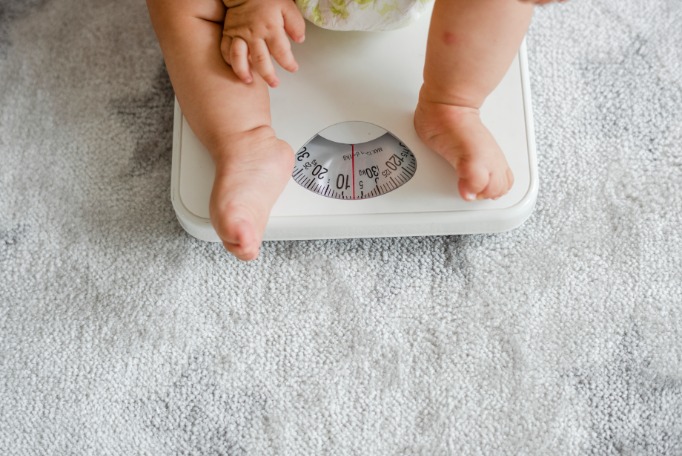
Following Your Child’s Growth—Not Just the Number on the Scale
During your parenting journey, you may sometimes find yourself surrounded by intense criticism when all you want is to know that your child is well and healthy. Especially during infancy, feeding and weight gain are among the issues family members focus on most—and the areas where parents become anxious most quickly. While well-meaning but exhausting comments occupy your mind, every step you take can trigger fears that your child is not eating enough or growing as they should. A child growth chart can offer a more objective way to look at growth over time.


Physical growth during infancy can vary from child to child because of genetics, health, physical activity, environmental conditions, nutrition, and many other factors. Yet the still-common belief that “a chubby baby is a healthy baby” can leave parents of children growing at their own natural pace feeling deeply inadequate. A baby who looks slim is often not showing a deficiency but a natural result of biological variation. Let’s hear about this anxious period—and the relief that followed—from John, a Yuppo dad:
“Every time we got together with our parents, the conversation somehow came back to my son’s weight. At every visit, my mom and dad kept saying, ‘This child is so thin. You can feel his bones when you touch his arms and legs. Is he not getting enough to eat?’ I tried not to pay attention at first, but over time their comments began to eat away at me. Once I started looking at him that way, he seemed too thin compared with other children his age. I worried, ‘Are we doing something wrong? Are we not feeding him well enough?’ I spent hours online searching for ‘What should my baby’s ideal weight be?’ and ‘How can I help my baby gain weight?’ But the forum posts I found and the numbers from our doctor visits contradicted each other, which only confused me more. I was completely lost in an information overload.”

It is common for parents to compare their children with a single standard or try to make them gain weight quickly because of pressure from others. But when tracking growth, a single weight measurement or fixed “ideal weight” chart can be misleading. In pediatric literature, healthy growth is assessed not by reaching one correct number, but by staying within reference ranges appropriate for the baby’s age and sex and consistently following their own percentile curve from birth. Child growth percentiles help show this pattern over time. John’s anxious search finally found a more reliable foundation when he discovered Yuppo:
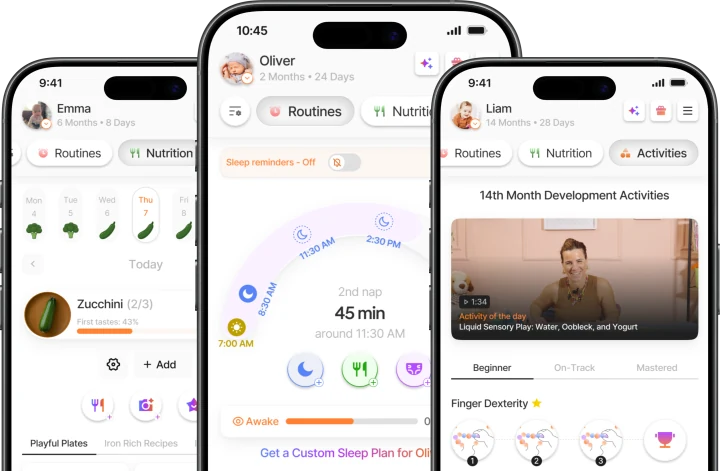
“While searching, I came across Yuppo’s percentile calculator. I learned what a percentile means and that the important thing was not reaching a predetermined weight, but maintaining my child’s own percentile curve. I immediately entered my son’s current height and weight. In the results, I saw that my son's weight was around the 35th percentile compared to baby boys his age. Unlike random lists on the internet, because Yuppo uses up-to-date health data, the results completely matched what our doctor told us. He was a little below average, but that did not mean he was unhealthy, because the healthy range was quite broad. I also learned that this information was not a health assessment on its own; what mattered was understanding how his growth progressed over time. I felt relieved for the first time. But I didn’t want this measurement to remain a one-time data point, so I immediately downloaded the Yuppo app for a more detailed analysis and to follow the process regularly each month.”
The greatest benefit of Yuppo’s developmental and growth tracking is that it makes the situation concrete with evidence-based data instead of hearsay and unnecessary comparisons. Watching a child’s growth rate on graphs spread over time can help ease the pressure and guilt parents feel. Yuppo’s tracking system brought clarity to all of John’s doubts. It also helped him understand what growth percentiles mean rather than focusing on one number:
“Every month, I regularly recorded routine height and weight measurements in the app and received personalized content, including recipes, activities, and health and safety recommendations prepared according to my son’s height and weight. As the months passed, I began to see the direction of his growth curve more clearly. My son was maintaining his own growth rate. He was getting taller, and his weight was increasing steadily at his own pace. Thanks to Yuppo, I learned that tracking my son’s growth over time was more meaningful than worrying about a single scale result, and that I could support him in a way that matched his growth. I no longer panic when family members say, ‘This child is so thin’ during visits. I know how reassured I feel when I look at the scientific data. Unnecessary worries gave way to enjoying our child’s growth.”
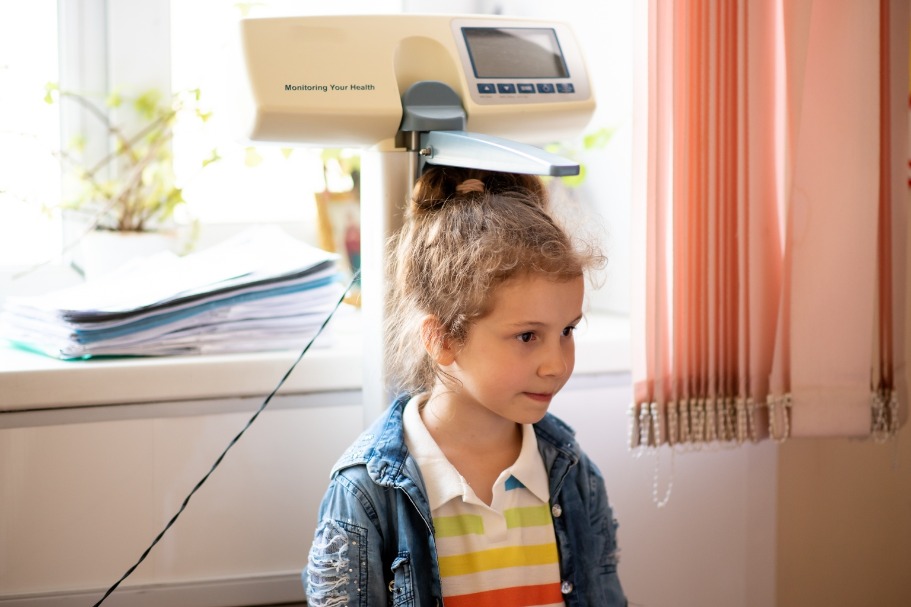
As John’s experience shows, children’s growth should be followed by understanding a baby’s natural curve and growth rate—not by others’ momentary observations or memorized numbers. A baby growth percentile becomes more meaningful when viewed as part of the overall pattern. Yuppo turns percentile tracking from complicated calculations into clear, reliable reports, helping free you from unfounded worries and follow every step of growth with confidence.
You can also download Yuppo to follow your child’s height and weight development with scientific growth curves rather than outside opinions, and support their growth journey with peace of mind. A height and weight chart can help make tracking child growth more meaningful over time.

Yuppo Lab
Pediatrician