Developmental Activities for Toddlers at Home

This article is approved by Yuppo Lab Developmental Psychologist
Published: 15 September, 2026
Updated: 15 September, 2026
From Playgroup Silence to Developmental Activities for Toddlers at Home
On the parenting journey, you may sometimes find yourself in deep uncertainty while wishing everything would go smoothly. During long days at home, spending meaningful time with your child and supporting their development in the right way is not always easy. Questions like, “What should we do today? We always play the same games,” or “Am I somehow holding back their development?” can fill your mind, with each thought bringing new worries.


Around age two, children reach a very special turning point as the way they perceive the world and the peers around them gradually begins to change. But socializing during this stage works very differently from the connections formed by adults or older children. Sitting beside other children, playing independently, and not communicating with them directly is not a sign that your child does not fit in. It is a very natural step in social development. Let’s hear about this complicated process—and the relief that followed—from Alice, a Yuppo mother:
"As my daughter grew, I started feeling like I didn’t know what to do with her at home. The days were repeating themselves, and I was very afraid she was falling behind developmentally. I enrolled her in a playgroup twice a week so she could burn off energy, spend time with peers, and socialize. At first, I went with her so she could adjust easily, sitting excitedly to the side and watching her play. During those days, I usually watched the other children quickly connect with one another. But my daughter wouldn’t even go near them. There were wonderful toys everywhere; while the others built towers and told stories together, my daughter simply started playing by herself with the doll in her hands. She didn’t seem very interested in the other children being there. When nothing changed after several visits, I was overcome with sadness. I couldn’t stop thinking, ‘Why can’t my daughter socialize? Is she withdrawn? Is something wrong?’"
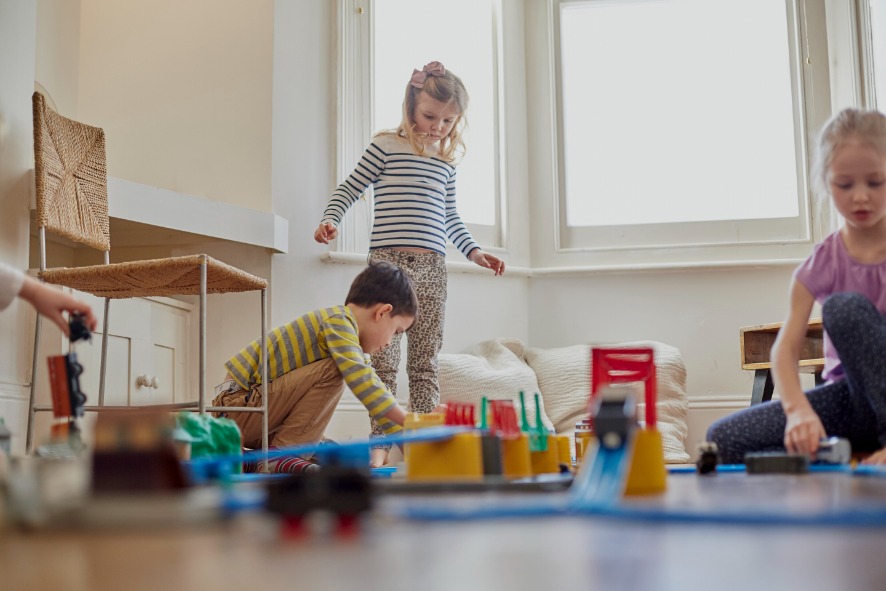
It is very common for parents to expect their children to immediately start playing together when they enter a social setting. But for children ages 2 to 3, playing “together” is still a developing skill. At this age, it is very common for children playing side by side not to join directly in one another’s games. This type of play is called “parallel play” in developmental literature, and it is the first step toward more advanced forms of social play. Alice’s worried search for answers took a new direction with the support of a close friend:
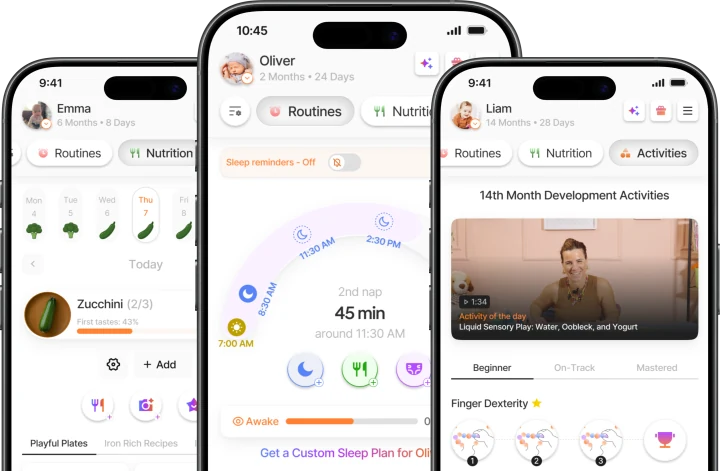
"I told a close friend who is also a mother about what had happened. We were sitting in the park, and I told her how disappointed I was with the playgroup, how my daughter never played with the other children, and how upset I felt. She listened patiently and smiled. ‘You’re probably worrying for nothing. You need to see exactly where your child is developmentally,’ she said, and told me about Yuppo. She said she regularly followed her child’s developmental milestones there and received wonderful activity suggestions tailored precisely to their level at each stage. I downloaded Yuppo right there. As soon as I got home, the first thing I did was explore the app."
The most valuable contribution developmental tracking offers parents is personalized guidance based on science, rather than hearsay and unnecessary comparisons. Understanding a child’s developmental needs that month and their individual differences compared with peers can immediately ease parents’ guilt and worries. Yuppo’s comprehensive developmental assessment also gave clear answers to all the questions on Alice’s mind:
"I immediately started filling out Yuppo’s developmental assessment. What I liked most was that the questions didn’t force me into rigid choices like ‘Yes’ or ‘No.’ Instead of treating developmental milestones as simply present or absent, it considered them through gradual options. My daughter wasn’t playing directly with the other children, but she watched them from a distance and continued her own play in the same area. That meant she was at an important stage of developing this skill. I marked the questions in the social-emotional development section one by one using this realistic approach. When I saw the results, I felt an enormous weight lift from my shoulders. Yuppo showed me that a 28-month-old not yet engaging in direct, shared play with peers can be a completely natural part of the developmental process, that this stage is called parallel play, and that every child may have a different individual pace. There was nothing wrong with my daughter; she was at the stage expected for her age. Yuppo put my mind at ease. And it didn’t stop at giving me this information. It created an activity program tailored to my daughter that would support her social awareness step by step while helping me spend quality time with her at home. We added easy, effective games using materials we already had at home to our daily routine. As we did the activities, we could also regularly follow the new skills she developed through Yuppo. I no longer wondered what to do with my daughter at home. I had a wonderful roadmap in front of me."
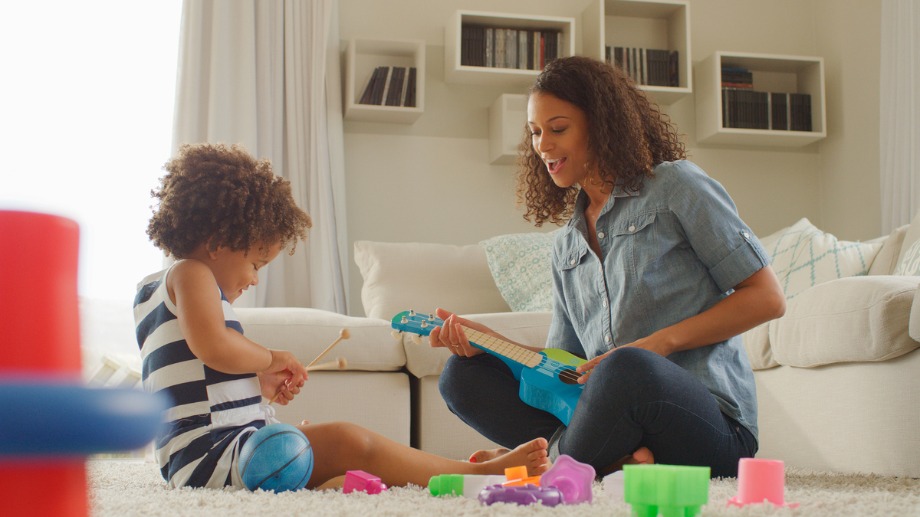
As Alice’s experience shows, children’s developmental journeys should not be tracked through rigid either-or judgments like “present” or “absent.” Instead, they should be understood through the gradual maturation of skills and the unique dynamics of each stage. Yuppo shows you where your child is developmentally through a gradual, realistic approach, helping you move past unnecessary worries. Its personalized activity plans turn everyday moments at home into an educational and enjoyable process of discovery.
Download Yuppo today to understand your child’s developmental steps with confidence instead of worry, and turn your time together into enjoyable learning opportunities with personalized activities that support development.
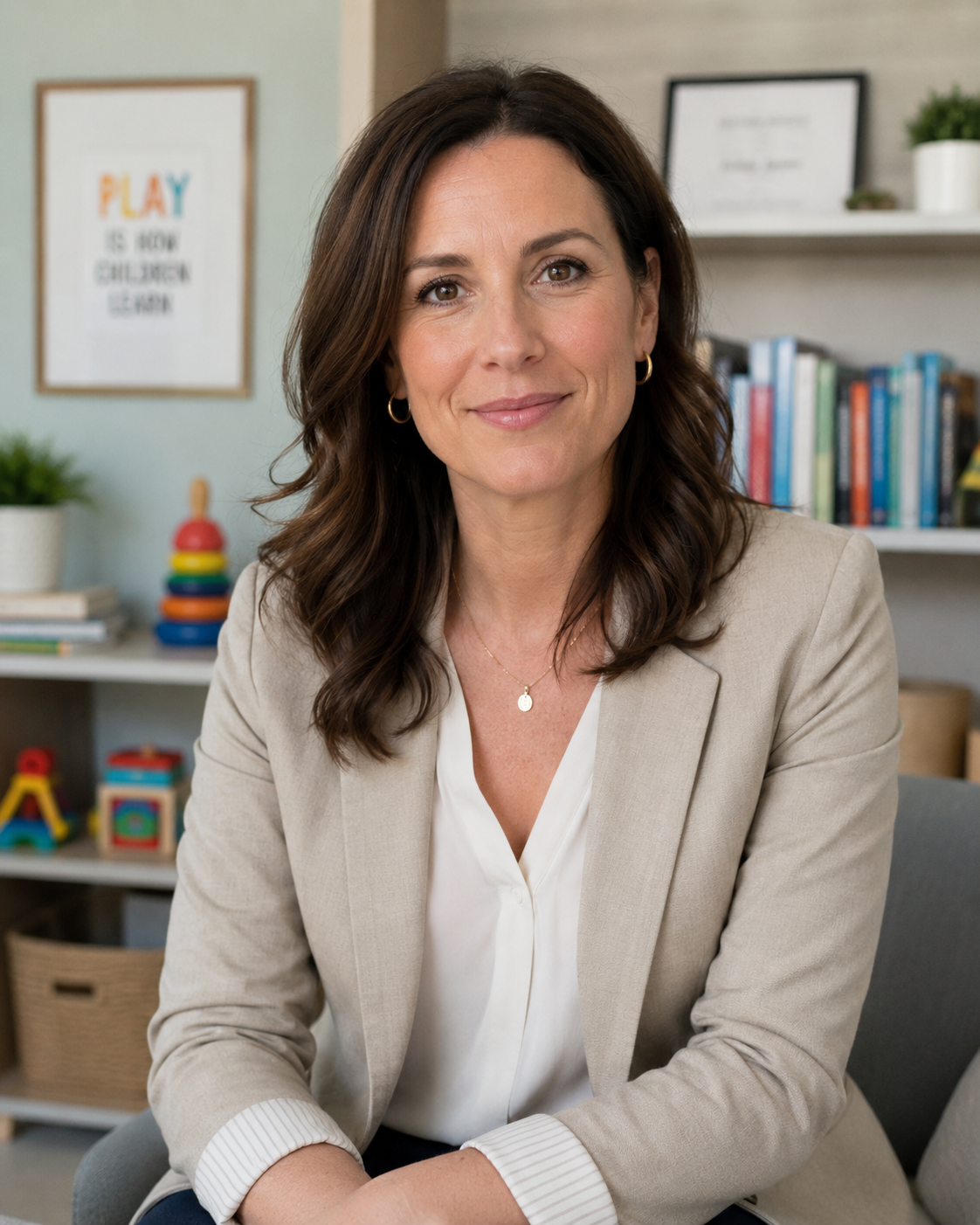
Yuppo Lab
Developmental Psychologist