When Do Babies Start Crawling? Signs and Tips

This article is approved by Çiğdem İrem İleri
Published: 08 April, 2026
Updated: 13 August, 2026
At a Glance
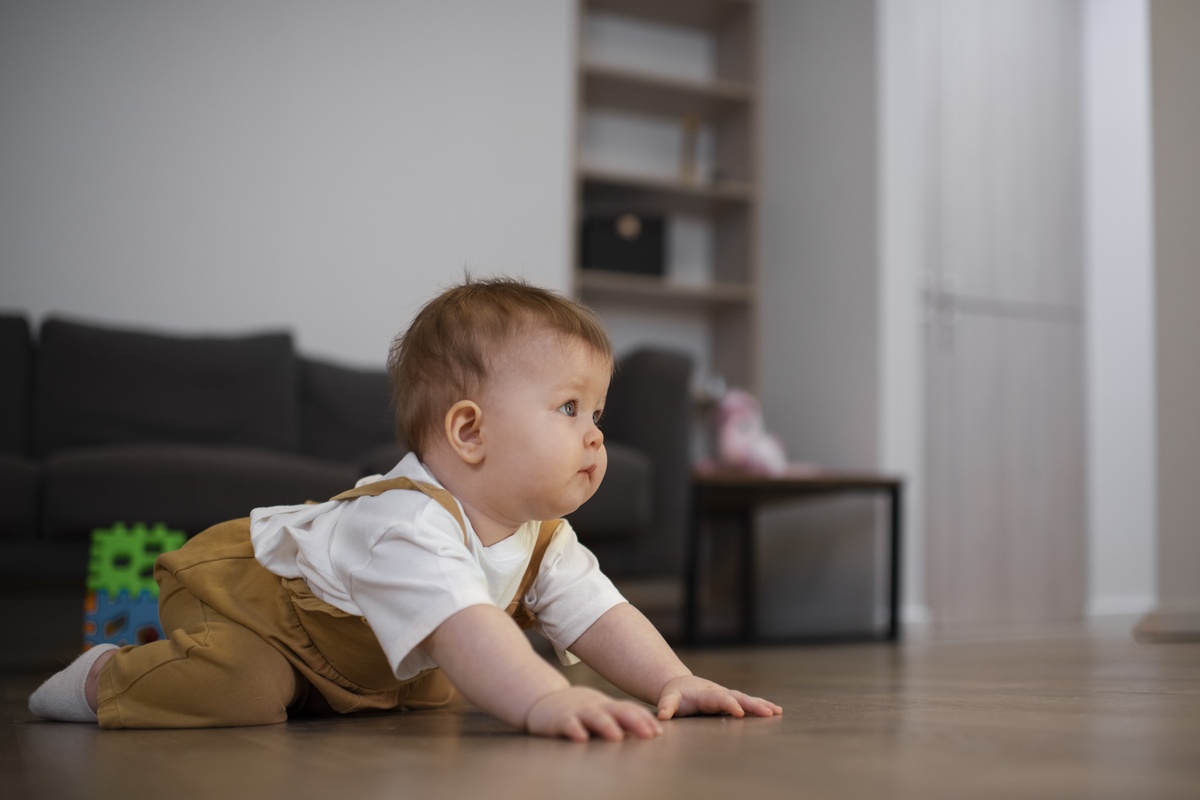
Babies usually begin crawling between 6 and 10 months as they develop gross motor skills.
Every baby develops at a different pace, and some babies may go straight to walking without crawling.
Tummy time activities strengthen the neck and shoulder muscles, directly supporting the crawling process.
Signs that babies may be getting ready to crawl include rocking on their hands and knees or scooting backward.
Most babies begin crawling when their muscles and coordination are mature enough, usually between 6 and 10 months. The crawling stage is an exciting time when your baby starts moving independently and taking steps toward exploring the world alone. This article is for parents of children ages 0–6 who closely follow their child’s development. In this guide, you’ll learn expert-reviewed information about signs of crawling readiness, different crawling styles, and how to support your baby without pushing them.


When Do Babies Start Crawling?
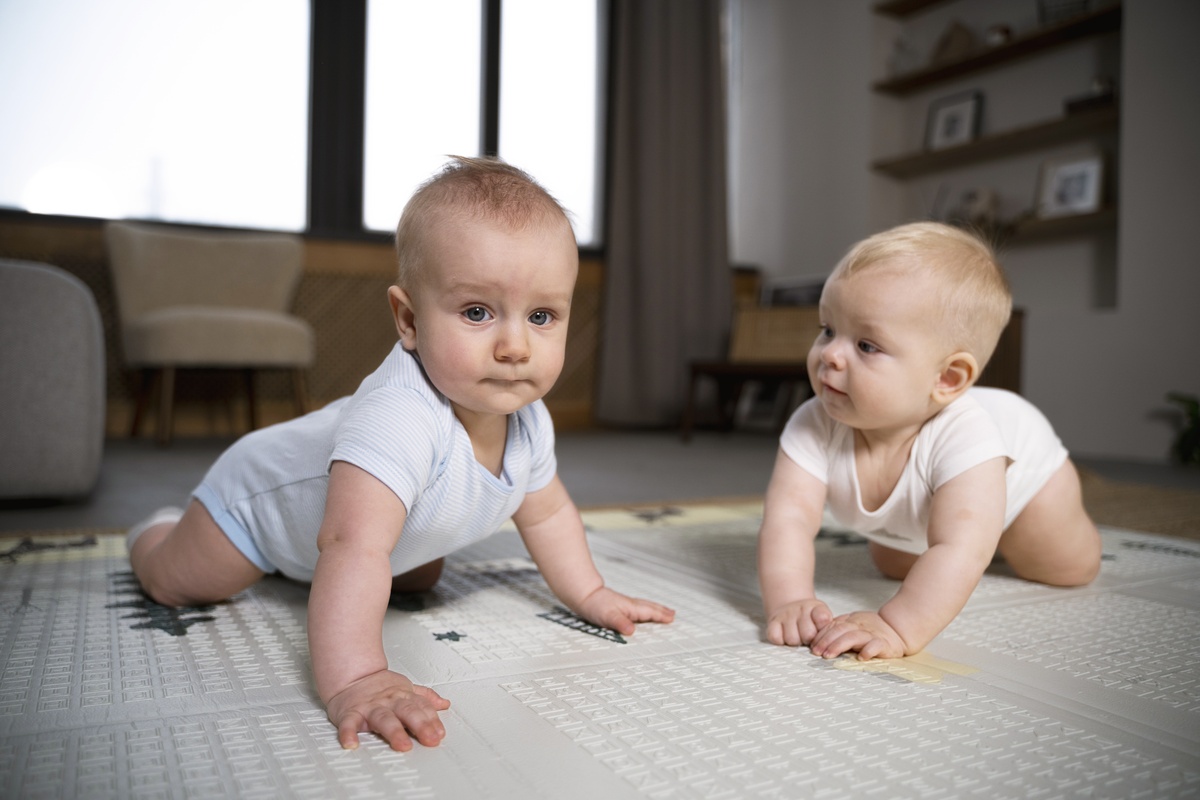
When do babies start crawling? The crawling stage usually begins between 6 and 10 months, as gross motor skills develop. This range gives your baby time to build physical strength and develop hand-eye coordination. It’s important to remember that every baby grows at their own pace. According to the American Academy of Pediatrics (AAP), some babies become mobile earlier, while others take longer. As you follow your child’s development, focusing on their overall mobility rather than a specific month can make the parenting journey feel more peaceful.
Developmental preparation from 6 to 10 months
The developmental preparation from the sixth through the tenth month involves building trunk balance and strengthening the arm muscles enough to support the body’s weight. During this period, babies gradually move from supported sitting to sitting independently. Leaning forward onto their hands for support while sitting is an early step on the path to crawling. As you record these stages, the motor changes you observe during 6-month baby development can show you that your baby is progressing at their own pace.
Why do babies crawl at different times?
Babies crawl at different times because muscle strength, temperament, and genetic factors develop at each child’s own pace. Some babies are eager to explore the world right away, while others prefer to observe their surroundings from a seated position for a while longer. Differences in body structure are a natural part of this variation; for example, larger babies may need a little more time to find their center of gravity. Both patterns are expected variations of healthy development.
Signs Your Baby Is Ready to Crawl
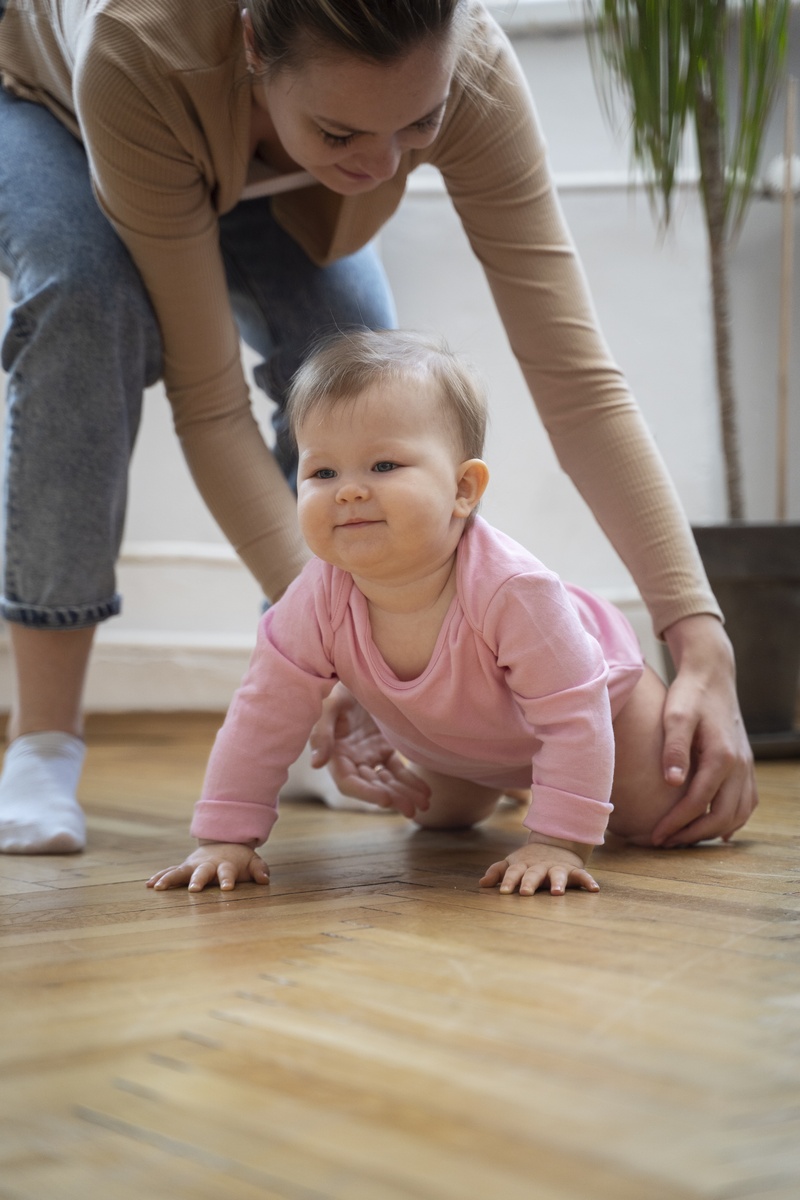
Common signs that your baby is ready to crawl include rocking back and forth on their hands and knees, lifting their chest while lying on their stomach, and reaching toward toys. These clues show that your baby is adapting their muscles to a new way of moving. Turning around while on their stomach or pushing with their arms to change direction can also be part of this preparation. 7-month baby development often includes these small practice movements, which gradually develop into full coordination.
As babies prepare to crawl, they may use the following movements to explore their surroundings:
Practicing reaching forward onto their hands while sitting without support.
Lifting their arms and legs in the air and making swimming motions while on their stomach.
Bouncing rhythmically forward and backward while on their knees.
Different Baby Crawling Styles: From Army Crawling to Bear Walking
Different baby crawling styles include army crawling, classic hands-and-knees movement, and scooting on the bottom while sitting. There is no single correct way to crawl; your baby may find a creative method you never expected to get from one side of the room to the other. What matters is not the method but gaining the ability to move independently while using both sides of the body.
The table below shows common ways babies move from place to place:
Crawling Style | Movement Pattern | Notable Detail |
|---|---|---|
Classic Crawling | Moving on hands and knees with cross-body coordination. | The most familiar style, with one hand and the opposite knee moving at the same time. |
Army Crawling | Moving forward by pulling with the arms while the stomach stays in contact with the floor. | Resembles a soldier’s crawl, with the legs usually dragging behind. |
Bear Walk | Walking on the hands and soles of the feet without bending the knees. | The body forms an upside-down “V” in this elevated position. |
Bottom Scooting | Sliding while seated, using the legs and hands. | The baby moves around without changing their seated position. |
Whichever style your baby chooses, every form of movement shows that they are gaining a new skill.
Classic hands-and-knees crawling
Classic hands-and-knees crawling involves distributing weight between the hands and knees and moving the right arm and left leg together to create a cross-body rhythm. This movement is an excellent hand-eye coordination exercise that engages both sides of the brain. Many babies can transition from other styles to classic crawling over time.
Army crawling and moving backward
Army crawling and moving backward are often a baby’s first ways of getting around, since the arms are usually stronger than the legs. The baby may keep their stomach on the floor or push themselves backward. Moving backward is especially common at the beginning. Don’t be surprised if your baby pushes away from their goal; as the leg muscles catch up with the arm muscles, they will work out how to move forward.
How to Help Your Baby Crawl
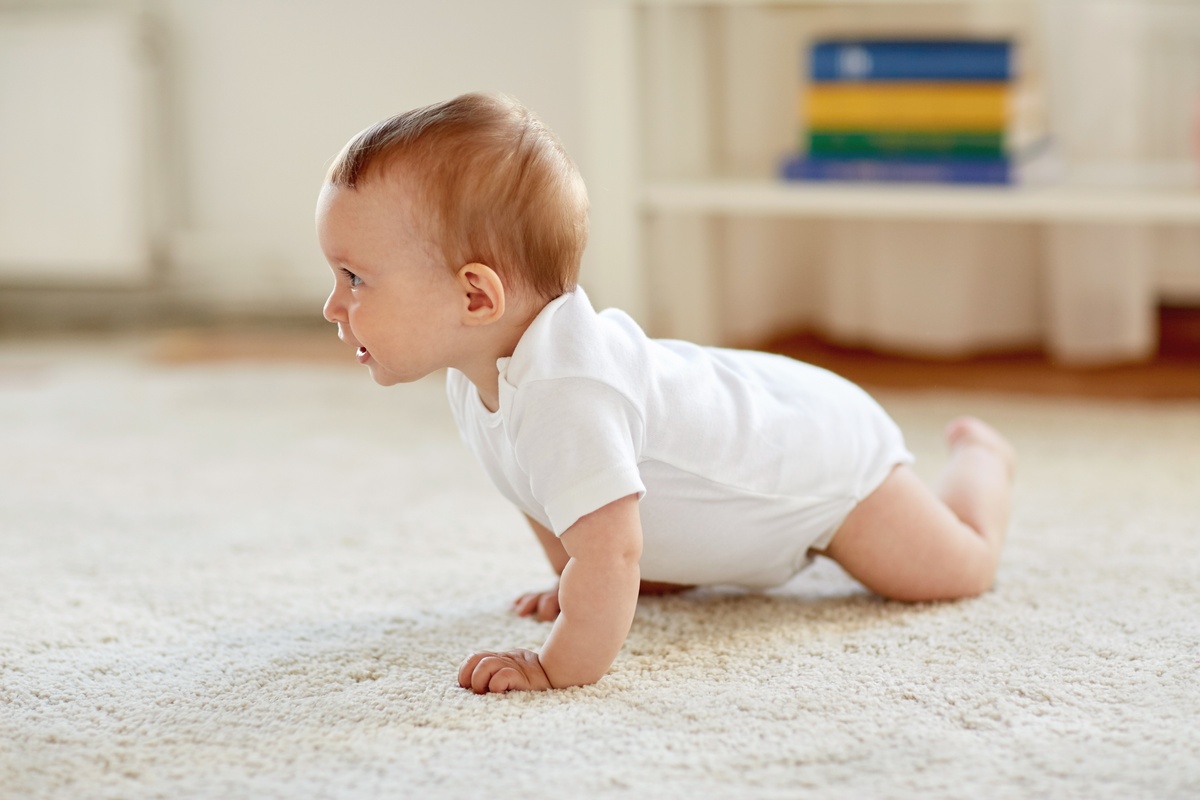
The most effective ways to support crawling are to offer frequent, supervised tummy time while your baby is awake and place appealing toys just out of reach. Activities that help babies crawl should be guided by their own curiosity. The World Health Organization (WHO) recommends creating frequent opportunities for short periods of physical activity throughout the day to support babies’ motor development. Letting your baby use their muscles freely on a carpet or another safe surface is one of the best ways to help. If the floor is cold or hard, you can use a soft play mat.
If you’re looking for new ways to support your baby’s motor skills, use the developmental analysis in the Yuppo app to identify not only whether your baby can perform a skill, but also their level of ability. You can then access expert-reviewed activity plans suited to that level, using simple materials at home.
Baby Not Crawling: When to Ask a Specialist
A baby not crawling after 10 months may call for professional evaluation if the child is not trying to move or roll on the floor in any way. Worrying that “my baby isn’t crawling” is common among parents. However, some babies—approximately 7–15%—may skip crawling entirely and move directly from sitting independently to pulling up or walking. If your baby uses both arms and legs evenly and gains other motor skills, such as sitting, on time, there is no need to worry.
Summary and Next Steps
Crawling Age: Babies usually crawl between 6 and 10 months, but this is a broad range and every baby follows their own timeline. Observe your baby’s progress patiently.
Motor Preparation: Rocking back and forth and army crawling are early signs of crawling. From this week onward, create open spaces where your baby can safely practice these small movements.
Different Styles: Army crawling and bottom scooting are completely normal. Rather than focusing on one crawling style, celebrate your baby’s independent movement.
Physical Support: Make tummy time a fun part of your daily routine. You can encourage your baby to reach by placing a favorite toy about 0.5 m (1.6 ft) away.
When Should You Call the Doctor?
Although the crawling period varies, some situations may indicate that motor development should be evaluated by a professional. The following signs generally differ from situations in which babies develop at their own pace and are reasons to consult a doctor for babies older than 10–12 months:
Not sitting independently without support by the end of the tenth month.
Trying to move using only one side of the body, such as the right arm and leg, while dragging the other side behind.
Unable to lift the head and shoulders off the floor when placed on the stomach.
Showing no effort to move on the floor or keeping the legs consistently stiff.
Losing movement skills they had previously gained, such as rolling.
This content is for informational purposes only; always consult your child’s pediatrician for diagnosis and treatment.
Following your baby’s motor development day by day and preparing your home for their milestones can sometimes feel confusing. It’s completely natural to wonder, “What games should we play right now?” or “Is this movement normal?”
During this process, you can try the Yuppo app for free to track your baby’s developmental steps weekly and receive physical activity suggestions suited to their level of movement. You can also ask Po, the AI-powered chatbot, your developmental questions and easily access guidance based entirely on expert-reviewed data.
Frequently Asked Questions
When do babies usually start crawling?
Most babies begin crawling between 6 and 10 months, but the timing varies. Some babies start earlier, while others take longer or use a different way to move. A baby may also skip crawling and move on to pulling up or walking. Look at overall motor progress rather than one milestone alone.
Is it normal for a baby to walk without crawling first?
Some babies skip crawling completely and move directly to pulling up and walking, which can be a normal variation in motor development. If your baby can sit without support and reach for nearby objects, not crawling by itself does not indicate a developmental problem.
How late can a baby start crawling?
There is no fixed final month by which every baby must start crawling, although the average developmental window is usually 6 to 10 months. If your child reaches 10–12 months without trying to move on the floor or sit, a doctor’s evaluation may be helpful.
How does tummy time help babies learn to crawl?
Tummy time works the neck, shoulder, back, and arm muscles against gravity, helping build the physical foundation needed for crawling. These activities, done while your baby is awake from the early months onward, also support hand-eye coordination and the desire to move.
How can I make my home safe for a crawling baby?
Important first steps include covering electrical outlets, adding guards to sharp furniture corners, and securing furniture that could tip over to the wall. Remove small objects your baby could swallow and poisonous plants from areas they can reach. Continue supervising your baby as they explore.
References

Dr. Çiğdem İrem İleri
Developmental Psychologist
After graduating from Koç University in 2019 with a double major in Psychology and Media and Visual Arts, alongside track programs in Design, Gender Studies, and Media and Management, Çiğdem İrem İleri began her integrated doctoral studies in Developmental Psychology at the same institution that same year.
Sleep
Learn 6 month sleep regression signs, likely duration, and practical ways to respond. Navigate your baby's changing sleep with Yuppo.
Sleep
Discover when sleep regressions strike and what to do at each stage, from 4 months to 2 years. Track your baby's sleep milestones with Yuppo.
Sleep
Learn why sleep regression strikes around 20 months and what you can do to help your toddler rest again. Track your toddler's sleep patterns with Yuppo.