Baby Sleep Regression Ages: When They Happen and How to Help Your Baby Cope

This article is approved by Yuppo Lab Sleep Expert
Published: 17 October, 2026
Updated: 17 October, 2026
At a Glance
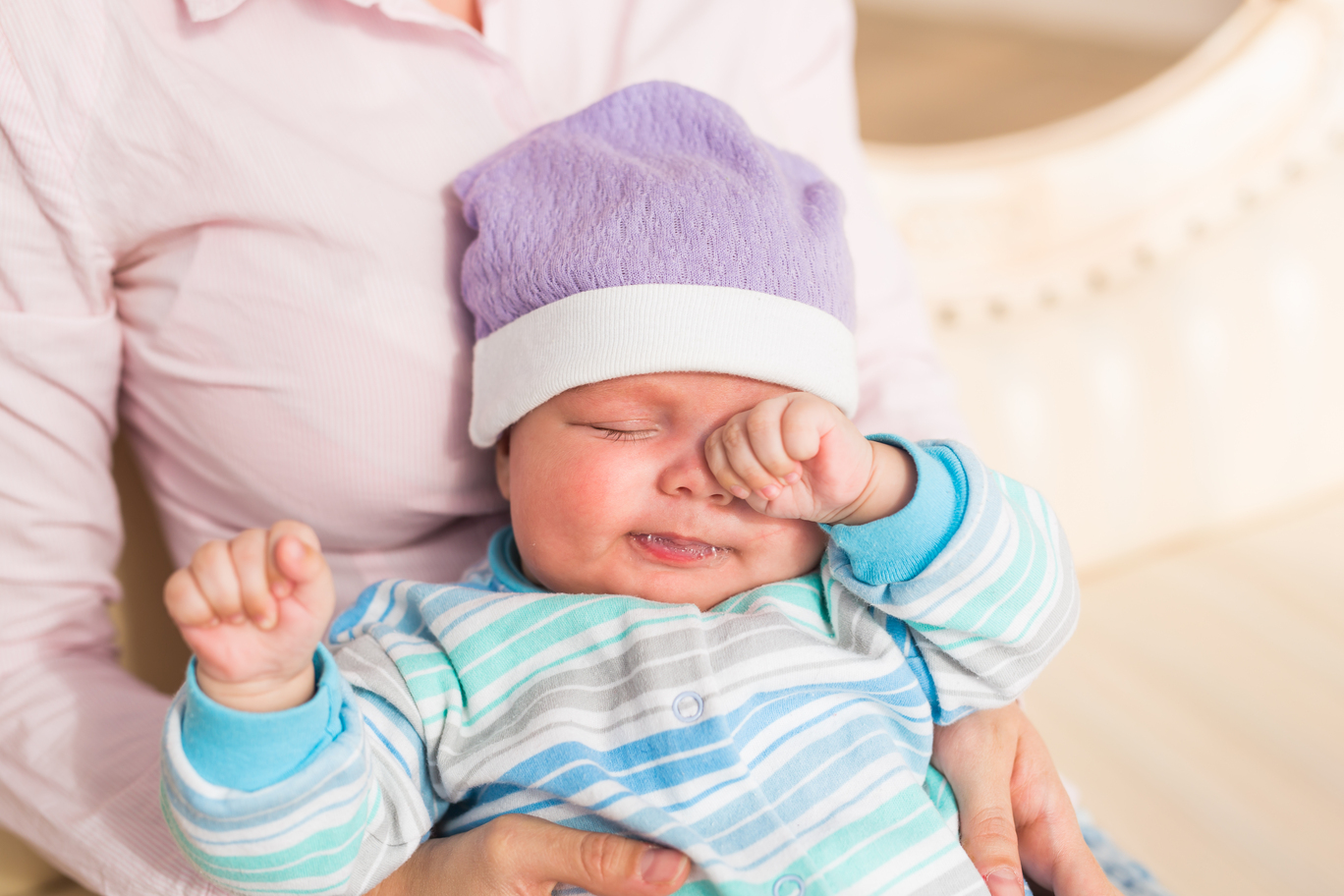
Most babies experience temporary sleep disruptions around 4, 6, 8–10, 12, and 18 months, and again near age 2, each tied to a developmental leap.
A sleep regression generally lasts 2 to 6 weeks before your baby's sleep patterns settle again.
Frequent night waking is developmentally normal; a "good sleeper" is a baby who wakes but can resettle, not one who never stirs.
Consistent bedtime routines and catching sleepiness cues early are your strongest tools during any regression.
Baby sleep regression ages cluster around predictable developmental windows, most commonly at 4, 6, 8–10, 12, and 18 months, and near age 2. Each one is a temporary phase in which a leap in brain or motor development makes sleep harder before it gets easier. If your baby was finally stringing together longer stretches and the nights have suddenly fallen apart, you are most likely in the middle of a regression. In this article you will learn what triggers each one, how to read the signs, how to separate a regression from teething or illness, and what you can do to support your baby through every stage.


What is a sleep regression?
A sleep regression is a stretch of roughly 2 to 6 weeks during which a baby who had been sleeping fairly well starts waking more often, skipping naps, or taking longer to settle. The term is a widely used parenting concept rather than a formal medical diagnosis, but the pattern it describes is very real.
According to HealthyChildren.org, a parenting resource from the American Academy of Pediatrics (AAP), a "good sleeper" is actually a baby who wakes frequently but can get back to sleep independently, because frequent waking is developmentally appropriate. That perspective reframes what a regression really is:
Your baby's brain is maturing, not backsliding.
The disruption is temporary and usually resolves without major changes.
Regressions often coincide with new skills like rolling or crawling.
A baby who just learned to roll, for instance, may practice the movement in the crib instead of settling into sleep.

Why do baby sleep regressions happen?
Your baby's brain and body are developing so rapidly that sleep habits simply cannot keep pace. Two forces drive most regressions.
Maturing sleep cycles and circadian rhythm shifts
Your baby's sleep architecture transforms during the first year. HealthyChildren.org notes that newborns may only sleep 1 to 2 hours at a time and do not develop regular sleep cycles until around 4 months. As those cycles mature, your baby transitions between lighter and deeper stages, including more REM sleep. Each transition is a moment when a brief awakening can become a full waking. The circadian rhythm, the internal clock influenced partly by melatonin, is still forming during early infancy, which is why sleep timing can feel unpredictable.
Developmental leaps that disrupt settling
New skills can steal sleep. The Centers for Disease Control and Prevention (CDC) describes milestones like taking a first step or waving "bye-bye" as key markers of development, and these breakthroughs often coincide with restless nights. Common triggers include:
Growth spurts and increased hunger
The emergence of separation anxiety
Developing object permanence, which makes your baby aware you exist even when out of sight

Baby sleep regression ages: when to expect each one
Each regression age coincides with a burst of developmental change, though exact timing varies from baby to baby. The table below gives you a quick map.
| Age | Developmental Trigger | Typical Duration | Key Signs |
|---|---|---|---|
| ~4 months | Sleep-cycle reorganization | 2–6 weeks | More night waking, shorter naps |
| ~6 months | Sitting, possible teething | A few weeks | Catnap refusal, hunger cues |
| ~8–10 months | Crawling, separation anxiety | A few weeks | Standing in crib, bedtime protest |
| ~12 months | Walking attempts, nap shifts | A few weeks | Second-nap refusal, restless nights |
| ~18 months | Language burst, independence | A few weeks | Bedtime resistance, calling out |
| ~2 years | Imagination, routine changes | A few weeks | Stalling, nighttime fears |
These are averages; your baby may enter a regression a few weeks earlier or later.
The 4-month sleep regression
The 4-month sleep regression marks the first major shift from newborn-style sleep to more adult-like cycles. HealthyChildren.org explains that babies do not develop regular sleep cycles until around 4 months, and before that they may only sleep 1 to 2 hours at a stretch. Once those new cycles appear, extra transitions between stages cause more wakings. One family's experience of navigating this shift shows how unsettling yet temporary it can be. Unlike later regressions, the 4-month change permanently alters sleep-cycle architecture, so sleep improves but never returns to the newborn pattern.
The 6-month sleep regression
Around 6 months your baby may drop a late-afternoon catnap earlier than expected, compressing the schedule and leading to overtiredness by evening. The National Health Service (NHS) notes that between 3 and 6 months some babies begin sleeping 5 to 8 hours at a stretch, but not all do. HealthyChildren.org adds that a 6-month-old who wakes during the night and goes back to sleep after a few minutes is behaving normally.
The 8–10-month sleep regression
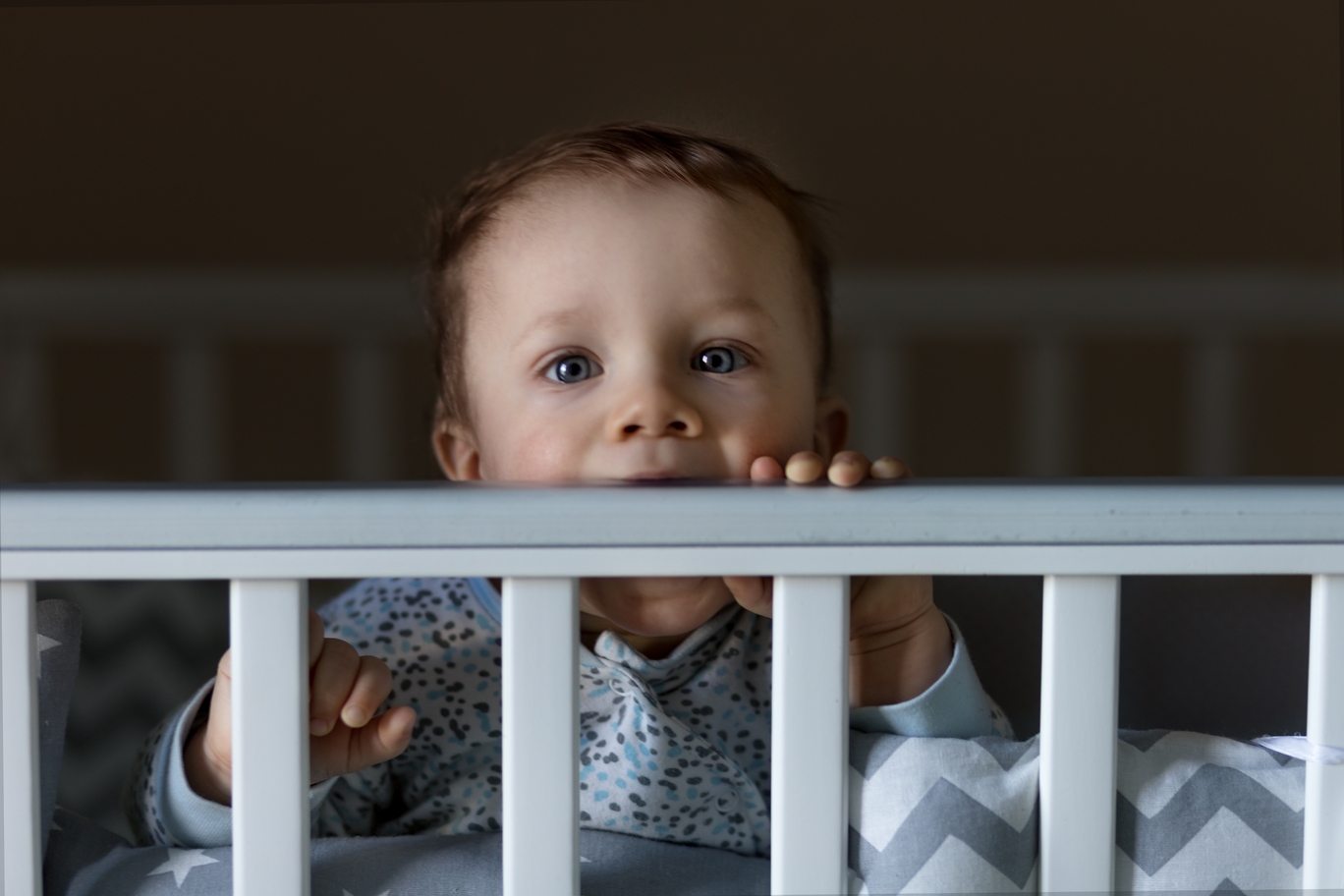
Crawling, pulling to stand, and emerging separation anxiety converge in the 8 to 10-month window. Picture an 8-month-old who keeps pulling to stand in the crib at bedtime, rehearsing a brand-new motor skill instead of settling. The NHS notes that growth spurts, teething, and illnesses can all affect how a baby sleeps, and this age often combines several of those factors.
The 12-month sleep regression
Your 12-month-old may refuse the second nap for a week or two, making you wonder whether one nap is enough. Most babies are not ready for that switch until closer to 14 to 18 months. After the first birthday babies typically need around 12 to 15 hours of total sleep, according to the NHS. If you hold steady, the two-nap rhythm usually returns on its own.
The 18-month and 2-year sleep regression
An 18-month-old who screams when you leave the room is expressing growing social awareness and separation anxiety, not trying to manipulate you. By age 2 most toddlers need about 12 to 14 hours of sleep including naps, as the NHS notes. Budding language skills and imagination can fuel bedtime stalling and nighttime fears. Keeping boundaries gentle but clear helps the whole household through this stage.
Signs your baby is in a sleep regression
Signs of sleep regression tend to appear in a cluster and persist for several weeks rather than a single rough night.
Frequent night waking after a stretch of longer sleep
Your baby may go from sleeping several hours to waking every 1 to 2 hours again. HealthyChildren.org explains that by about 6 months babies begin establishing more regular sleep cycles, yet brief night waking remains normal. A sudden spike in wakings after a run of calmer nights is the hallmark clue.
Nap resistance and shorter daytime sleep
Naps may shrink from a solid stretch to barely 30 minutes, or your baby may fight falling asleep altogether. This pattern shows up most often during the 4-month and 12-month regressions.
Increased fussiness around sleep times
Crying, clinging, or arching when placed in the crib often signals that your baby's brain is busy processing new skills. HealthyChildren.org recommends watching for sleepiness cues early so you can begin the wind-down before overtiredness makes settling harder.
Sleep regression or something else: how to tell the difference
Disrupted sleep does not always point to a regression. Two common lookalikes are teething and illness.
Sleep regression vs. teething
Teething typically begins between 4 and 7 months, according to HealthyChildren.org, and the NHS notes that some babies start before 4 months while others begin after 12 months. Key differences:
Teething pain centers on one area of the mouth and eases once the tooth breaks through.
A regression disrupts the broader sleep pattern for weeks and ties to developmental change.
If your baby is drooling heavily and rubbing their gums alongside night waking, teething is the more likely culprit. For a deeper look, see this guide to baby teething symptoms.
Sleep regression vs. illness
Illness usually brings additional symptoms such as congestion, reduced appetite, or unusual lethargy. If disrupted sleep is the only change and your baby seems well during waking hours, a regression is more likely. If you notice signs of pain or difficulty breathing, contact your pediatrician.

How to help your baby through a sleep regression
You cannot skip a regression, but a few steady strategies can make it easier for both of you.
Keep a consistent bedtime routine
A predictable wind-down of bath, pajamas, feeding, and a quiet song tells your baby that sleep is on the way. HealthyChildren.org advises putting babies to bed when they are drowsy but not fully asleep, which helps them learn to fall asleep on their own. That single skill pays off during every future regression.
Adjust wake windows to match your baby's age
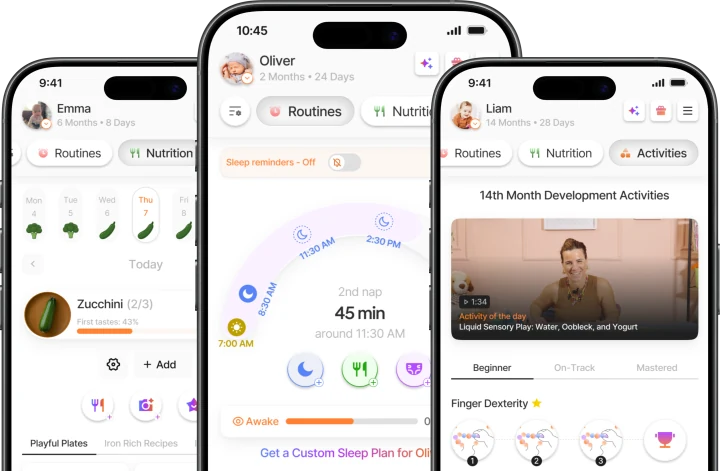
Wake windows shift as your baby grows, and a gap that is too long can lead to overtiredness that makes settling harder. Matching a sleep schedule to your baby's age is one of the simplest ways to reduce nighttime struggles. In Yuppo, you can log naps and bedtime each day and then review the recorded pattern to see whether timing needs a small adjustment.
Offer comfort without building new sleep associations
Extra cuddles, a gentle pat, or a soothing voice are perfectly fine during a tough stretch. Try to avoid introducing a new habit you would need to undo later. HealthyChildren.org emphasizes that meeting your baby's needs early on helps them better regulate their sleep cycles and emotions over time.
If disrupted sleep persists well beyond 6 weeks without improvement, involves pauses in breathing during sleep, or comes with a noticeable drop in feeding or daytime alertness, reach out to your pediatrician.

Summary and Next Steps
Sleep regressions are temporary. They generally resolve within a few weeks and reflect your baby's growing brain rather than a problem to fix.
Expect shifts around 4, 6, 8–10, 12, and 18 months, and near age 2. Timing varies, so pay attention to developmental signs rather than the exact calendar date.
This week, watch for early sleepiness cues. Eye-rubbing, yawning, or fussiness before bedtime is your signal to start the wind-down routine.
Protect the habits you already have. A consistent bedtime sequence and placing your baby down drowsy but awake carry you through every regression.
Separate regression from other causes. If disrupted nights arrive with additional symptoms beyond fussiness, talk to your pediatrician rather than waiting it out.
This content is for information only; always consult your pediatrician for diagnosis and treatment.
Tracking which nights are rough and which new skills your baby is practicing is harder than it sounds when you are running on broken sleep. In Yuppo, you can enter your baby's birth date and follow week-by-week developmental milestones prepared by experts, making it easier to connect a sleep disruption to the leap behind it.
Frequently Asked Questions
How long does a sleep regression last?
Most regressions resolve within 2 to 6 weeks as your baby adjusts to new developmental changes. The exact length depends on the individual child and whether overlapping factors like teething stretch it out. Keeping a consistent routine tends to shorten the rough patch.
Can a sleep regression happen before 4 months?
Some babies show disrupted sleep around 3 months as the circadian rhythm begins forming, though the first widely recognized regression peaks closer to 4 months. Earlier disruptions are not unusual and do not necessarily signal a problem.
Do sleep regressions affect naps too?
Yes, shorter naps and nap refusal are among the most common signs, especially during the 4-month and 12-month phases. Daytime sleep usually stabilizes once the regression passes and your baby settles into a new rhythm.
Will my baby's sleep go back to normal after a regression?
Sleep generally improves within a few weeks of a regression ending. The 4-month regression is the notable exception because it permanently shifts sleep-cycle architecture from newborn patterns to more adult-like cycles, so sleep improves but looks different afterward.
Should I start sleep training during a regression?
Waiting until the regression passes before introducing a new sleep approach is usually the gentler path. During the disruption your baby is processing a developmental leap, and layering a new routine on top can add stress for both of you.
References
HealthyChildren.org. (2024). Getting Your Baby to Sleep. HealthyChildren.org.
HealthyChildren.org. (2013). Sleeping Through the Night. HealthyChildren.org.
HealthyChildren.org. (n.d.). Teething & Tooth Care. HealthyChildren.org.
Centers for Disease Control and Prevention. (2026). Healthy Habits: Child Development. CDC.

Yuppo Lab
Sleep Expert

Sleep
Learn 6 month sleep regression signs, likely duration, and practical ways to respond. Navigate your baby's changing sleep with Yuppo.

Sleep
Learn why sleep regression strikes around 20 months and what you can do to help your toddler rest again. Track your toddler's sleep patterns with Yuppo.
Sleep
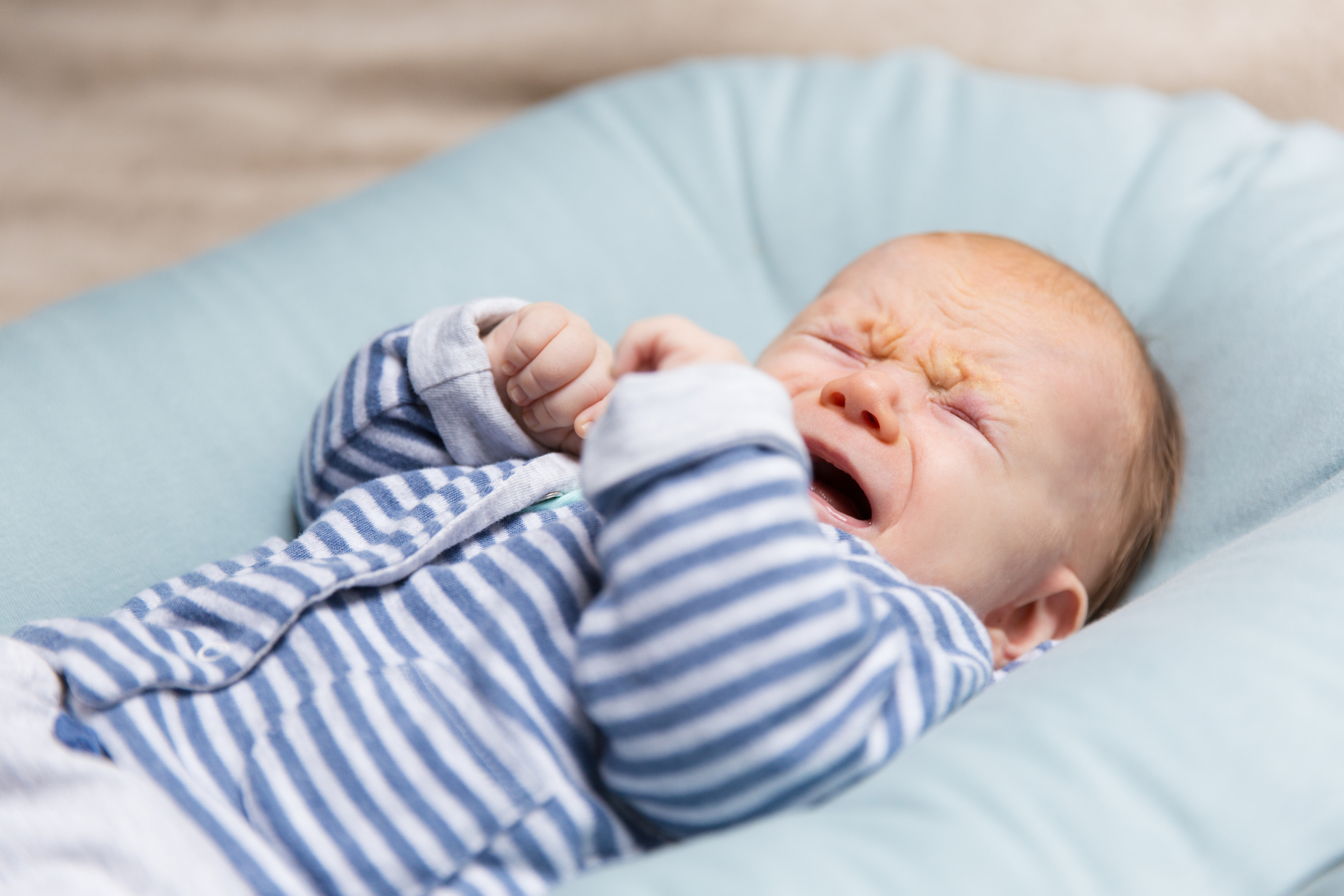
Learn how the 4 month sleep regression affects nights and naps, how long it may last, and what you can do. Follow your baby's sleep changes with Yuppo.