6 Month Sleep Regression: Signs, Duration, and What You Can Do

This article is approved by Yuppo Lab Sleep Expert
Published: 14 October, 2026
Updated: 17 October, 2026

At a Glance
A 6 month sleep regression may involve more night waking, bedtime resistance, shorter naps, or changing morning wake times.
Babies ages 4 to 11 months generally need 12 to 16 hours of total sleep within 24 hours, including naps.
Brief night wakings are typical at 6 months, especially if your baby settles back to sleep fairly quickly.
Predictable routines, gradual schedule changes, calm responses, and safe sleep practices may make this period easier to navigate.
A 6 month sleep regression describes sleep becoming less predictable around this age, often across nights, bedtime, or naps. It is a popular parenting framework rather than a developmental stage with a clinically fixed start, duration, or checklist.
If your baby suddenly wakes more often or resists a previously easy nap, you may be trying to make sense of the change while running on very little sleep. This guide will help you recognize the pattern, compare it with teething discomfort, and choose manageable adjustments. You can find age-specific guidances in the sleep resource collection.


What is the 6 month sleep regression?
The 6 month sleep regression is a common name for sleep becoming less settled around 6 months after a more predictable period. Your baby may wake more, take longer to settle, or nap differently.
The meaning of sleep regression
Sleep regression describes a change from your baby’s recent sleep pattern, not the loss of a developmental skill. The most reliable reference point is simply comparing their current sleep with their own recent baseline.
Look across three parts of the day:
How easily your baby settles at bedtime
How often or how long they wake overnight
Whether naps have become shorter or less predictable
For example, several new wakings after a week of relatively settled sleep represent a change worth observing, even if the pattern does not fit a precise label.

The limits of the term
The word "regression" is somewhat of a misnomer. It implies a setback, yet these sleep disruptions are typically sparked by rapid developmental milestones rather than lost skills. That does not mean these sleep disruptions are non-existent; while every baby's timeline differs, recognizable patterns tend to emerge across shared developmental windows in the first two years including those described in the 4 month sleep regression guide. Rather than worrying about whether the label fits perfectly or fearing lost progress, focus on observing what has shifted and how your baby is doing during awake hours.
Why does sleep change around 6 months?
Sleep around 6 months may shift alongside changing nap timing, sleep pressure, new activity, and greater interest in the surroundings. These observations can overlap, and one unsettled night rarely reveals a single explanation.
Changing sleep pressure and nap needs
Sleep pressure is the natural drive to sleep that builds during awake time. The World Health Organization (WHO) recommends 12 to 16 hours of total sleep within 24 hours for babies ages 4 to 11 months, including naps.
The American Academy of Pediatrics (AAP) suggests using your baby’s natural sleep pattern as a starting point and notes that many babies eventually follow a routine of two or three naps. When reviewing timing, notice:
The number and approximate length of naps
Whether the final nap varies substantially
How sleepy your baby appears before bedtime
Practicing new motor and cognitive skills
New motor practice may coincide with changing sleep, although the timing alone does not prove that one causes the other. Your baby might practice rolling and pivoting intensively during the day, followed by several nights of greater restlessness.

Growing awareness of separation and surroundings
Growing awareness may make sounds, faces, and changes in the room more noticeable to your baby. Regular daytime and nighttime cues can support a steady circadian rhythm, your baby’s developing internal pattern for sleep and wakefulness.
If several developmental shifts seem to be happening at once, taking a broader look at baby growth spurts can help you organize your observations without feeling the need to pinpoint the cause of every single waking.
What are the signs of the 6 month sleep regression?
Common 6 month sleep regression signs include changed night waking, longer settling, bedtime resistance, shorter naps, or altered morning wake times. A pattern across multiple sleep periods is more informative than one difficult night.
Night waking and early-morning changes
Night waking may become more frequent or last longer than it did recently. The American Academy of Pediatrics (AAP) notes that waking at 6 months and returning to sleep after a few minutes can be typical.
A 6 month old not sleeping through the night is therefore not, by itself, evidence that something is wrong.
Bedtime resistance and longer settling
Bedtime resistance may appear as fussing when placed down, becoming alert during the routine, or needing more time to settle. Notice whether the final nap occurred later or ended differently than usual.
Shorter naps and nap refusal
Nap changes may include difficulty settling, brief naps, or unpredictable timing. Your observations might show:
Night waking without obvious discomfort
A newly difficult bedtime
Earlier morning waking
One or more naps becoming harder to start
For example, an inconsistent late third nap may shift bedtime from one evening to the next, making the whole pattern feel less predictable.
When does the 6 month sleep regression start, and how long does it last?
Every baby’s rhythm is different, but parents commonly report that this disruption lasts about four weeks. Sleep tends to settle gradually over time rather than returning to its earlier pattern all on a single night.
Typical age range for onset
The name points to sleep changes noticed around 6 months, but it does not define a precise developmental window. Your baby’s pattern may change before or after that point as daily timing evolves.
Typical duration of disrupted sleep
The duration of disrupted sleep varies but usually it takes approximately 4 weeks, so watch for whether settling and naps are gradually becoming easier. A continuing change may also have more than one contributing factor over time.
Reasons the timeline varies
The timeline may reflect nap timing, routine changes, temporary discomfort, or your baby’s individual temperament. Later disruptions may look different, as the 8 month sleep regression guide explains.
Track only a few details:
When the change first appeared
Whether naps or nights changed first
Which response helped your baby settle
Whether mouth-focused discomfort appeared
A short log can reveal that bedtime became harder only after the final nap started shifting. Yuppo helps you identify these nap patterns through a personalized sleep report based on your baby’s records.

6 month sleep regression or teething: how can you tell?
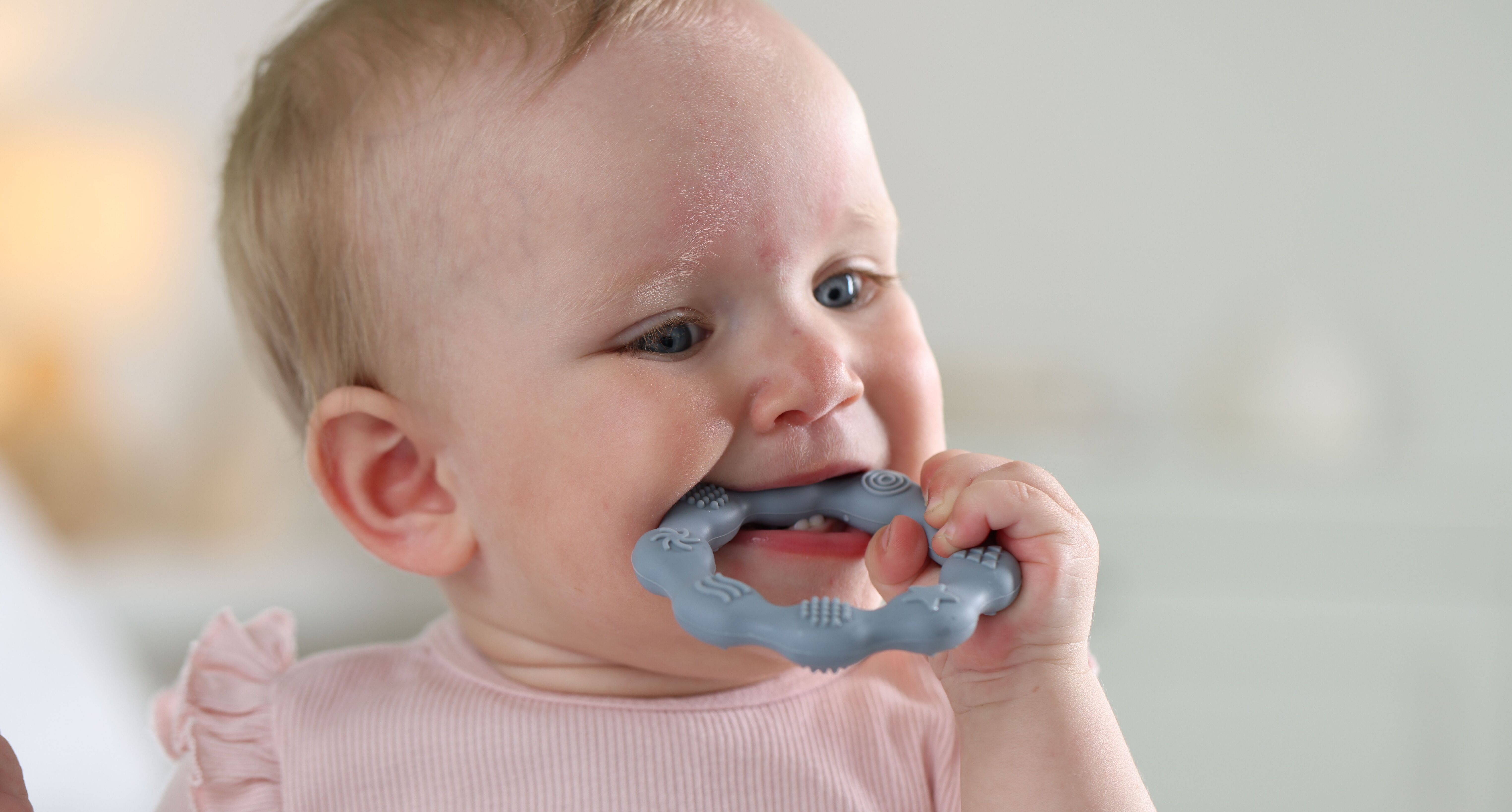
A 6 month sleep regression changes the observed sleep pattern, while teething discomfort often includes sore gums, redness, drooling, or increased chewing. These patterns may overlap, so mouth-focused clues provide useful context.
Clues that favor a sleep regression
If sleep disruptions happen in isolation, they are usually a cue to look at nap schedules, bedtime, and night waking habits rather than a sign of a true regression. Check whether these changes are occurring without signs of teething, such as sore gums or excessive chewing.
Clues that favor teething discomfort
Teething discomfort becomes more plausible when poorer sleep appears with sore or red gums and increased drooling. The National Health Service (NHS) lists these as common teething patterns.
The American Academy of Pediatrics (AAP) notes that a teething discomfort episode generally passes within 2 to 3 days.
Patterns that may overlap
Overlapping patterns can include fussier settling, extra waking, and shorter naps. This comparison organizes observations but does not diagnose the cause.
Sign | 6 month sleep regression | Teething discomfort |
|---|---|---|
Night waking | May occur without physical symptoms | Often accompanied by sore gums |
Nap changes | Often becomes less predictable | Briefly disrupted during peak discomfort |
Mouth-focused clues | Not related to the sleep shift | Drooling or increased chewing |
Duration | Typically around 4 weeks | Usually lasts 2 to 3 days (per tooth) |
Compare sleep-only days with days that also include gum sensitivity and extra chewing. The full pattern is more meaningful than counting wake-ups.
What can you do during the 6 month sleep regression?
You can navigate the 6-month sleep regression with predictable routines, gradual timing adjustments, low-stimulation responses, and consistent safe sleep practices. Small, steady tweaks are much easier to evaluate than a complete routine overhaul.
Keep routines predictable but flexible
A predictable bedtime routine helps your baby anticipate what comes next, according to the American Academy of Pediatrics (AAP). Keep the general sequence steady even when bedtime shifts slightly.
Adjust naps and wake windows gradually
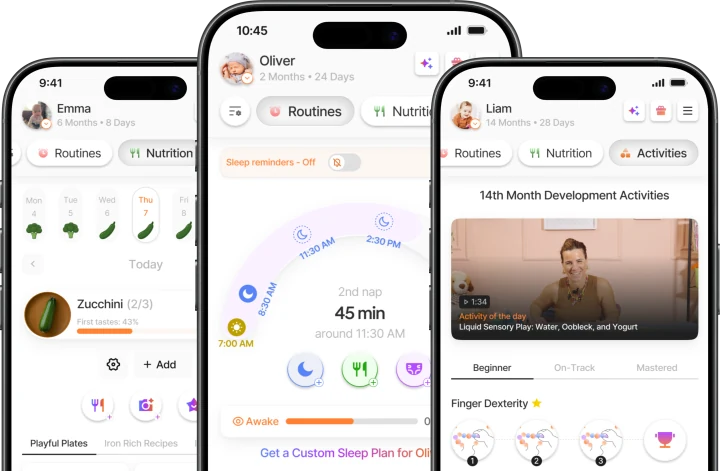
Wake windows are the stretches of time your baby stays awake between sleeps. While you can use sleep cues and recent naps as a guide, Yuppo takes out the guesswork: its smart algorithm predicts the ideal nap window to keep your baby from becoming overtired or undertired.
Practice new skills during awake time
Supervised floor play gives your baby space to roll, pivot, and reach while awake. At night, keep the environment calm rather than turning a waking into playtime.
Respond consistently to night wakings
Calm nighttime responses can make each waking less stimulating. The American Academy of Pediatrics (AAP) recommends dim lighting, a quiet environment, and placing your baby down while slightly awake when possible.
When tired nights blur together, Yuppo lets you track your baby’s sleep and find practical ways to improve nighttime rest.
Keep every sleep space safe
Safe sleep remains important during naps and overnight waking. The Centers for Disease Control and Prevention (CDC) recommends a firm, flat sleep surface without blankets, pillows, bumpers, or soft toys.
For babies from birth through 12 months, the American Academy of Pediatrics (AAP) recommends placing your baby on their back for sleep and stopping swaddling when they begin trying to roll.

Contact your pediatrician if disruption persists or developmental concerns appear:
Discuss persistent sleep problems that do not improve with a consistent routine with your pediatrician, as recommended by the American Academy of Pediatrics (AAP).
Sleep can vary during development, but contact your baby’s doctor promptly if your baby loses a previously acquired skill or is not meeting one or more milestones, following Centers for Disease Control and Prevention (CDC) guidance.
Summary and Next Steps
Your next step is to observe the whole sleep pattern and make one manageable change while protecting safe sleep.
Start with your baby’s baseline: Compare current bedtime, naps, and night waking with their own recent pattern.
Notice the context: Look for changes in the final nap, settling cues, or mouth-focused discomfort.
Choose one action this week: Keep the bedtime sequence steady while keeping the environment calm.
Maintain safe sleep: Use a firm, flat, clear sleep surface and place your baby on their back.
Watch the direction: Look for gradual improvement rather than expecting sleep to change on one exact night.
This content is for information only; always consult your pediatrician for diagnosis and treatment.
Remembering how naps, bedtime, and new developmental changes lined up is difficult when you are exhausted. In Yuppo, you can enter your baby’s birth date to follow developmental steps week by week and receive activity suggestions suited to their age.
Frequently Asked Questions
How long does the 6 month sleep regression last?
The 6-month sleep regression has no fixed duration and may settle gradually at an individual pace, but it usually lasts about 4 weeks. Nap timing, temporary discomfort, household changes, and bedtime consistency may shape what you observe. If disruption persists without improvement, discuss the sleep pattern and its daytime effects with your pediatrician.
Can the 6 month sleep regression affect naps?
A 6 month sleep regression can coincide with naps becoming shorter, harder to start, or less predictable. Review the timing and length of recent naps, especially the final nap. Change one part of the schedule gradually, then observe bedtime and nighttime sleep before adjusting anything else.
Is the 6 month sleep regression worse than the 4 month sleep regression?
The 6 month sleep regression is not necessarily more difficult than sleep disruption around 4 months. The experience can differ with your baby’s temperament, current nap pattern, discomfort, and response to routines. An intense earlier period does not determine how unsettled sleep will feel this time.
Why is my 6 month old not sleeping through the night?
Your 6 month old may be waking alongside changing nap timing, temporary discomfort, or a less predictable routine. Night waking can also be typical at this age when your baby returns to sleep shortly afterward. Look for patterns across multiple nights instead of judging one isolated waking.
Is it a 6 month sleep regression or teething?
Teething discomfort is more likely to include sore or red gums, increased drooling, and extra chewing alongside poorer sleep. Sleep changes without mouth-focused clues offer less support for teething, but they do not confirm a regression. Compare several sleep periods and accompanying behaviors before drawing a conclusion.
What should I do if my 6 month old is fighting sleep?
If your 6 month old is fighting sleep, keep bedtime calm and review the final nap and awake period. Maintain the same routine order while making one small timing adjustment. During night waking, use dim lighting and minimal stimulation, then return your baby to a safe sleep space.
References
American Academy of Pediatrics. (2024). Getting your baby to sleep. HealthyChildren.org.
American Academy of Pediatrics. (n.d.). Baby parenting. HealthyChildren.org.
National Health Service. (n.d.). Baby teething symptoms. NHS.
American Academy of Pediatrics. (n.d.). Teething. HealthyChildren.org.
Centers for Disease Control and Prevention. (2024). Providing care for babies to sleep safely. CDC.
Centers for Disease Control and Prevention. (2026). CDC’s developmental milestones. CDC.

Yuppo Lab
Sleep Expert

Sleep
Discover when sleep regressions strike and what to do at each stage, from 4 months to 2 years. Track your baby's sleep milestones with Yuppo.

Sleep
Learn why sleep regression strikes around 20 months and what you can do to help your toddler rest again. Track your toddler's sleep patterns with Yuppo.

Sleep
Learn how the 4 month sleep regression affects nights and naps, how long it may last, and what you can do. Follow your baby's sleep changes with Yuppo.