When Do Babies Sit Up? A Parent's Guide | Yuppo

This article is approved by Yuppo Lab Pediatric Physiotherapist
Published: 08 April, 2026
Updated: 13 August, 2026
Highlights
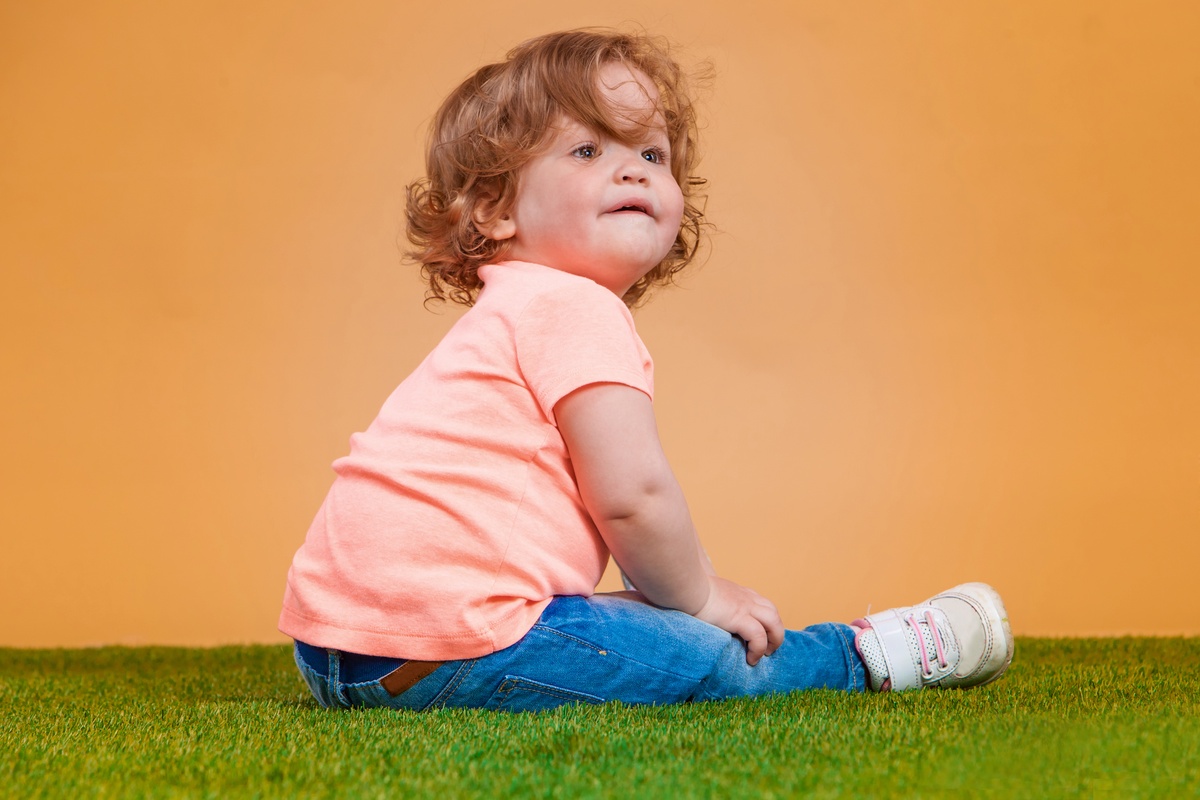
The process of learning to sit usually begins with supported attempts around 4 months and may continue until a baby can sit without support by 9 months.
For your baby to sit independently, the neck, back, and abdominal muscles need to become strong enough to work against gravity.
Tummy time is one of the most effective and natural at-home activities for supporting the muscle groups needed for sitting.
One of the most exciting steps in your baby's growth is being able to sit up from a lying position and see the world from a new angle. After tiring nights, seeing your baby gain a new skill can bring great joy. Still, as you wonder when babies sit up, it is easy to compare your baby with other children on social media or in your circle. In this guide, we will look at the physical stages your baby moves through while learning to sit, ways to support the process at home without pushing, and developmental milestones for a baby who is progressing at their own pace.


What Are the Stages of Baby Sitting?
The process of sitting develops gradually, beginning with head control, moving toward trunk balance, and eventually leading to sitting upright without using the hands for support. This motor skill does not develop overnight. Babies gradually begin to see the world from a different angle instead of lying on their backs. The American Academy of Pediatrics (AAP) notes that babies' gross motor skills generally strengthen from the top down: first the head, then the trunk, and finally the legs. Because every baby develops at a different pace, the time between these stages can vary from month to month.
Supported Sitting and the Tripod Position
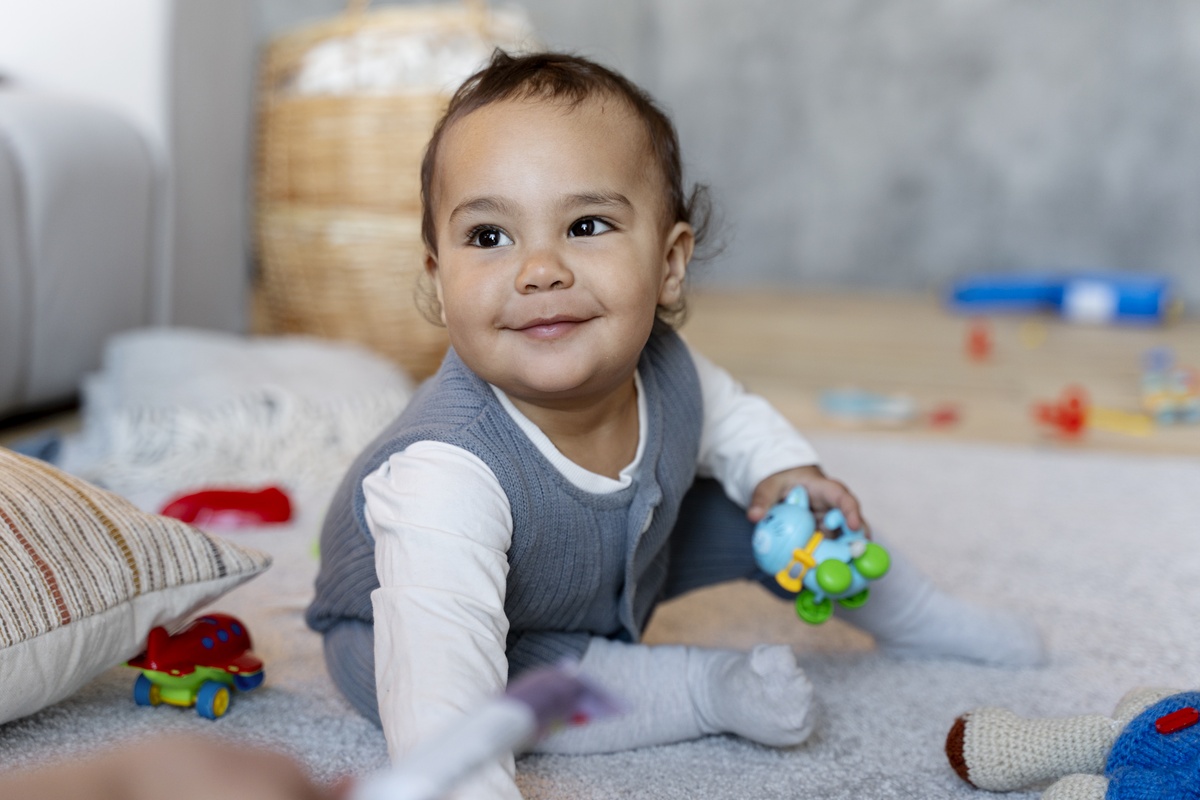
During supported sitting, babies practice staying upright while being held or surrounded by pillows. As they progress, they place their hands in front of themselves and move into a tripod position, like a three-legged stand. Between 4 and 6 months, babies' head control usually becomes noticeably stronger. During this period, they may stay upright for a while when you hold them or gently support their trunk. Tripod sitting is one of the most important signs that independent sitting is approaching. Because babies cannot yet fully support their trunks, they lean forward and use their hands against the floor for stability.

Developing Balance and Trunk Control
As trunk control improves, your baby can use postural control to find their balance without tipping from side to side and remain upright while lifting their hands off the floor. Babies learn to adjust their center of gravity through trial and error, much as they do when learning to walk. Frequent falls at first are expected and natural. Once the muscles of the abdomen and back have developed enough, babies begin to stay balanced while reaching for nearby objects and use their hands freely.
When Do Babies Sit Up Without Support?
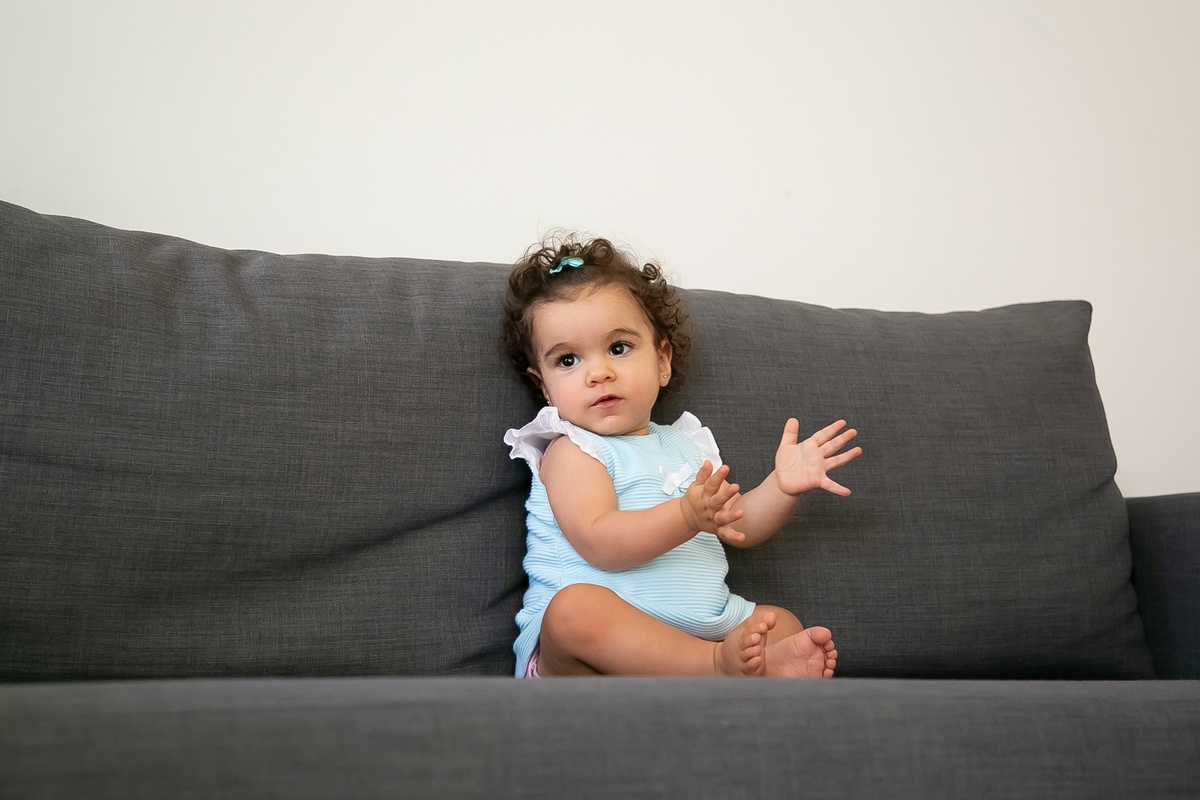
Babies usually begin sitting without support sometime between 5 and 9 months, a broad developmental range. According to World Health Organization (WHO) motor development standards, every baby follows an individual developmental path, and fully independent sitting may take until 9 months.
Where your baby falls within this broad range depends on their muscle strength, interest, and physical experiences in daily life. Evaluating babies only by their chronological age can create unnecessary worry for parents. Traditional approaches often place skills into specific age brackets, while Yuppo's developmental analysis can evaluate not only whether your child performs a skill, but also their level of performance. You can then receive a personalized plan of at-home activities matched to that level. For more ideas about this stage, see our 6-month baby development guide.
At-Home Activities to Support Your Baby's Sitting Skills
Activities you can do at home to support your baby's sitting skills involve free play that works the neck, back, and abdominal muscles safely on the floor, without forcing them. Instead of holding babies in positions they are not ready for, the healthiest approach is to give them opportunities to use their own muscles. Time on a safe play mat that is neither too firm nor too soft provides one of the best spaces at home for motor development.
Tummy Time and Strengthening the Neck Muscles
Tummy time exercises strengthen the upper-body muscles needed for sitting by encouraging your baby to lift their head against gravity. When your baby is awake, content, and supervised, begin with a few minutes of tummy time each day and gradually extend it over the following months according to their tolerance. Placing colorful objects, crinkly books, or an unbreakable baby mirror in front of them can encourage them to hold their head up for longer. You can also learn more about early muscle-strengthening activities in our 5-month baby development guide.
Baby Sitting Up Exercises Through Play
Play-based activities, such as gently holding your baby's hands while they lie on their back and drawing them slightly toward you, help the abdominal and back muscles work together. Make sure your baby's head does not fall backward during this movement, which means they need adequate neck control. While your baby is sitting with support, holding a favorite toy slightly to the right or left can encourage them to reach and practice trunk balance. Presenting these activities as play rather than a workout can increase your baby's motivation.
Common Mistakes When Helping Babies Learn to Sit
One of the most common mistakes is forcing a baby into an upright position for long periods with pillow support before their muscles are ready. Holding babies upright before their muscles have developed enough can increase the load on the developing spine and does not support learning balance.
Another common misconception is that infant seats or walker-like devices speed up sitting or walking. The AAP emphasizes that these types of equipment, which restrict a baby's movement and prevent muscles from working freely and naturally, do not have a positive effect on motor development. Free movement on the floor is much more beneficial. Rather than restricting your baby, allow them to roll on the floor and explore their own limits.
Summary and Next Steps
Muscle development: Sitting does not appear all at once. It is gained gradually as head control, supported positioning, and trunk balance develop step by step.
Timeline: Most babies begin sitting without support during the broad period between 5 and 9 months. Try not to compare your baby with other children.
Getting ready: Simple floor activities such as tummy time are the most natural and safest way to strengthen the muscles that support the spine.
What to avoid: Instead of passively sitting your baby for long periods before they are ready or relying on supportive seats, focus on creating space for free movement on the floor.
This week's activity: During a happy, awake period, spread a blanket on the floor. Get down to your baby's level and encourage them with toys to work their muscles while making eye contact.
When Should You Call the Doctor?
If you notice delays in sitting or other differences in your baby's motor function, contact your pediatrician for an overall evaluation. Every child develops at a different pace, and slight variation over several months is often normal. However, the signs below may indicate that a medical or developmental evaluation is needed:
Your baby cannot sit even with support after completing 9 months.
Your baby still does not have head control at 6 months, or their head consistently falls backward or to the side when held.
Your baby uses only one side of their body, right or left, or shows clear asymmetry while moving.
You notice overall stiffness, excessive muscle tension, or, conversely, a floppy posture that is difficult to control.
Previously acquired motor skills, such as holding the head up or rolling over, weaken or disappear over time.
This content is for informational purposes only. Always consult your pediatrician for diagnosis and treatment.
Following your baby's motor development step by step and getting answers to the questions on your mind can help you move through this tiring yet special stage more calmly. With Yuppo's expert-created, skill-based analysis tools, you can identify your baby's physical development level through an AI-supported assessment.
Based on the analysis, you can explore Yuppo to access activity plans that are easy to do with items at home and matched to your baby's exact developmental level, while keeping reliable expert information close at hand.
Frequently Asked Questions
My 6-month-old is not sitting yet. Should I be concerned?
A 6-month-old who cannot yet sit without support is still within the natural developmental range for many babies. Independent sitting may take until 9 months. During this period, supported attempts and rolling are expected, healthy motor steps as your baby continues building strength and balance.
When can I start helping my baby practice sitting?
You can begin offering sitting support once your baby has developed reliable head control, often between 4 and 6 months. As the neck muscles grow stronger, your baby can gradually explore the world upright for short periods in your lap or with gentle support around the trunk.
Can sitting a baby up too early cause spinal problems?
Keeping a baby upright for long periods before their muscles are strong enough may increase the load on the spine and contribute to postural strain or discomfort. Brief support in your lap is not generally a concern, but avoid keeping your baby passively seated for hours in artificial support cushions.
What are the signs that my baby is ready to sit?
Readiness signs include lifting the head and chest well during tummy time while pushing through the arms, rolling from side to side, and holding the head steady. Trying to grasp the feet while lying on the back can also show that the abdominal muscles are becoming stronger.
How can I make the area safe once my baby sits independently?
Because babies who sit independently can still tip over easily, give them time on a carpet or soft play mat away from furniture with hard edges. Cover outlets within reach and remove small objects that your baby could swallow from the surrounding area.
References

Yuppo Lab
Pediatric Physiotherapist

Sleep
Learn 6 month sleep regression signs, likely duration, and practical ways to respond. Navigate your baby's changing sleep with Yuppo.

Sleep
Discover when sleep regressions strike and what to do at each stage, from 4 months to 2 years. Track your baby's sleep milestones with Yuppo.

Sleep
Learn why sleep regression strikes around 20 months and what you can do to help your toddler rest again. Track your toddler's sleep patterns with Yuppo.