Baby Eczema: Causes, Symptoms, and Gentle Skin Care

This article is approved by Yuppo Lab Pediatrician
Published: 18 August, 2026
Updated: 18 August, 2026
Highlights
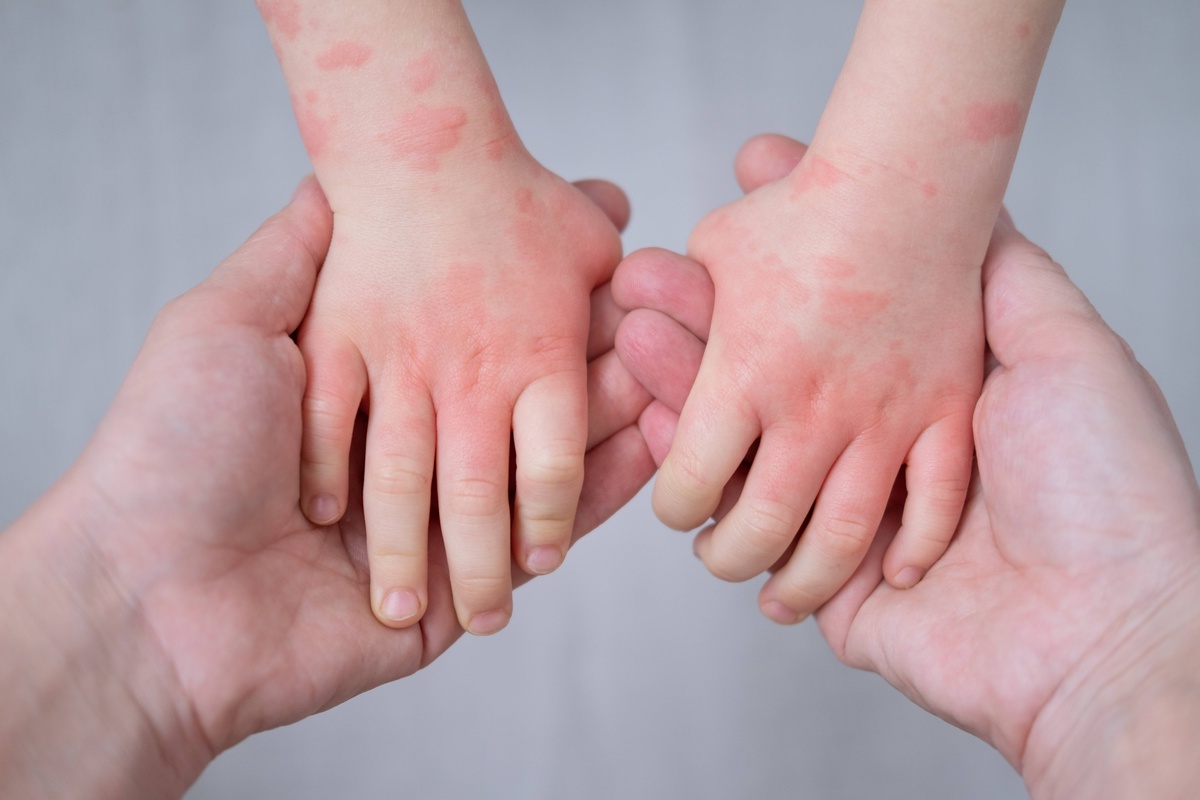
Baby eczema is an itchy condition caused by a weakened skin barrier. It usually appears in babies between 2 months and 2 years of age.
Triggers that can cause flare-ups include genetic predisposition, weather changes that dry the skin, synthetic clothing, and, less commonly, certain food allergies.
Limiting baths to 5–10 minutes and applying barrier-repair creams within the first 3 minutes after bathing can help control symptoms.
Baby eczema is a common skin condition that usually appears as red, dry, itchy rashes that start on the cheeks or in the folds of the joints. Many new parents feel concerned when they notice these unexpected changes in their baby's skin. This guide was created especially for families with children ages 0–6 to explain the causes, symptoms, and soothing skin-care steps that can be used at home for atopic dermatitis in babies. You will learn practical strategies for protecting sensitive skin, how feeding may affect symptoms, and when medical care is needed.


Summary: What to Know About Baby Eczema
The key thing to know about baby eczema is that it is a noncontagious, chronic dryness problem that comes and goes and can be managed with appropriate skin care. The condition can feel confusing or scary at first, but every baby's skin responds differently and often improves at its own pace. According to the American Academy of Pediatrics (AAP), childhood eczema usually begins during infancy, and many children have noticeably milder symptoms by school age.
The main problem is that the top layer of the skin has difficulty keeping moisture in and irritants out. In healthy skin, cells are packed closely together like bricks, while eczema-prone skin is more permeable. Daily care should therefore focus on supporting the weakened skin barrier from the outside. Your baby's skin may look completely smooth at times and suddenly become red at others; these ups and downs are a natural part of the process.
What Is Baby Eczema (Atopic Dermatitis), and What Does It Look Like?
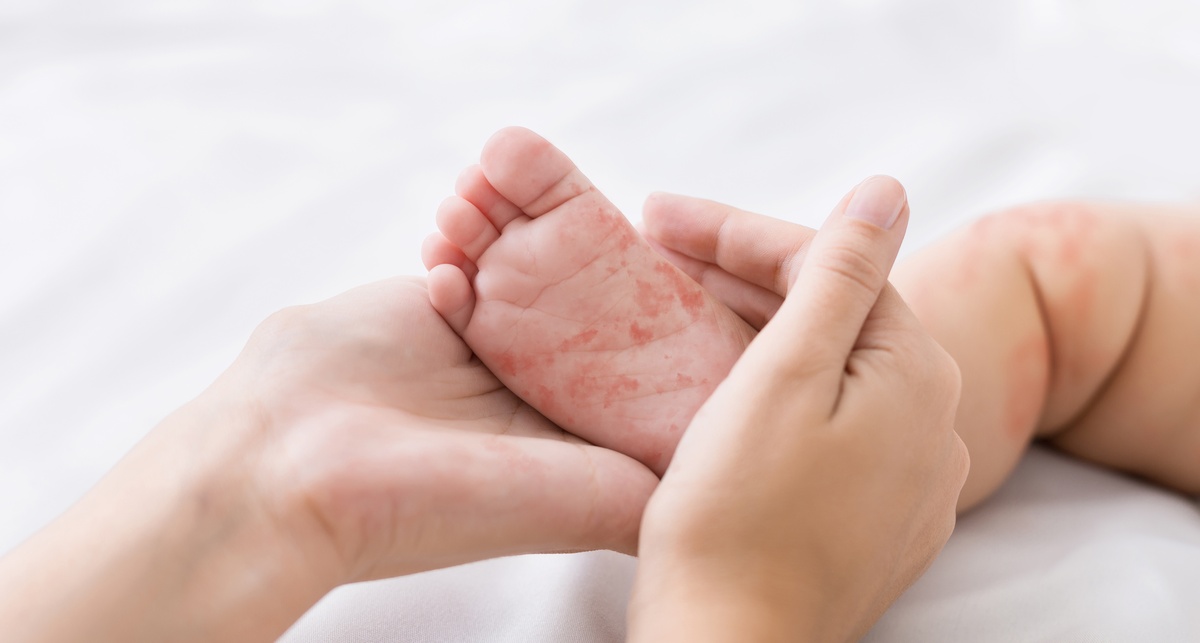
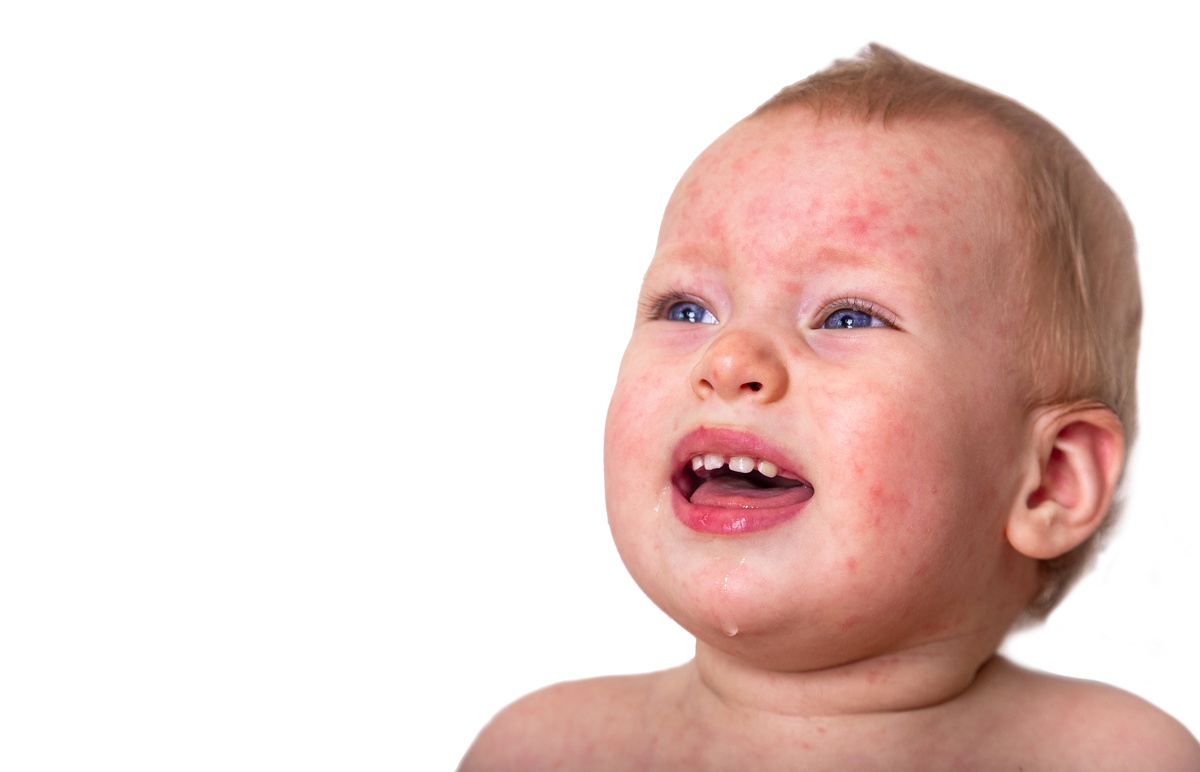
You may recognize baby eczema when you notice dry, flaky, poorly defined red patches and intense itching on your baby's skin. Its medical name, atopic dermatitis, refers to a weakened skin barrier linked to genetic predisposition. This weakness leaves a baby's skin especially vulnerable to environmental factors. One of the clearest baby eczema symptoms is itching, which can begin even before the rash and often affects a baby's comfort during the day.
Common Symptoms and Skin Changes
Common symptoms include thickened skin, severe dryness, redness, scaling, and intense itching that can make a baby fussy. Because babies' skin is thinner than adults' skin, moisture loss happens more quickly and symptoms can worsen fast. Small fluid-filled blisters may sometimes appear on red patches.
When your baby scratches, the outer layer of skin becomes more irritated, which may lead to oozing or crusting. Symptom severity can vary from month to month. On some days, the condition may appear as mild dryness; on others, it may turn into red patches.
Where Does Baby Eczema Usually Appear?
During the first months, baby eczema most often appears on the cheeks, scalp, and chin. As babies grow, it may move to the folds behind the elbows and knees. During the first six months, the face is especially likely to be affected because it has the most contact with the outside world and saliva.
Crawling: When do babies start crawling? As we also mention in our article, dryness and redness may increase on areas that rub against the carpet or floor as a baby becomes more mobile. Interestingly, although the diaper area can become irritated by urine and stool, causing diaper rash, it is often less affected by atopic dermatitis because it stays covered and moist.
What Causes Baby Eczema? Triggering Factors
Baby eczema causes include family genetics, environmental factors that dry the skin, excessive heat, and, in some cases, food allergies. There is no single definite cause of eczema. Flare-ups usually result from a combination of an underlying tendency and irritating factors from the environment.
Genetic Predisposition and Environmental Factors
Genetic predisposition affects the structure of a baby's skin barrier, while environmental factors such as dry air, wool fabrics, and scented detergents can weaken that barrier and trigger eczema. Babies with a family history of asthma, hay fever, or allergies are more likely to develop this skin condition.
In winter, heaters can dry the air, while sweating in summer can also upset the skin's balance. Paying attention to these small environmental details during your baby's care routine can often make a big difference. If you want to closely monitor care concerns such as dry or red skin, you can enter notes about your baby's diaper rash and body cleaning in the health module of the Yuppo app and use care information cards and videos prepared by experts.
How Feeding and Allergens May Affect Eczema
Baby eczema food allergy reactions may occur when proteins such as cow's milk or eggs stimulate the immune system and cause skin flare-ups. The American Academy of Pediatrics (AAP) notes that physical reactions to foods and possible food allergies in babies can appear as skin rashes.
However, not all dry skin is caused by food, so unnecessary dietary restrictions should be avoided. When introducing solids, a sudden flare-up or redness around the lips after trying a new food may be a sign. Food-related triggers differ from baby to baby, so monitoring is important.
What Helps Baby Eczema? A Daily Skin-Care Routine
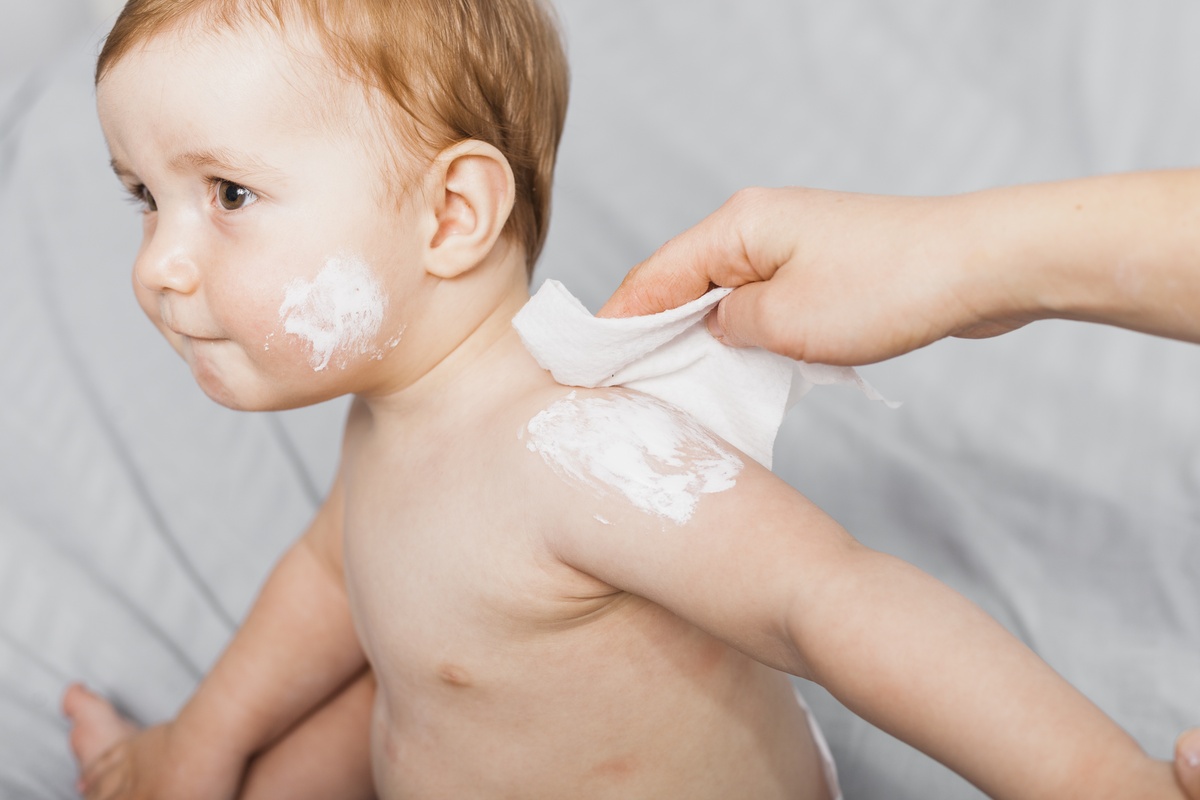
The most important part of baby eczema treatment is cleansing the skin with short, lukewarm baths and then sealing in moisture with rich barrier-repair creams. Creating a daily care routine is a gentle way to protect your baby's skin, ease itching, and support better sleep.
Bathing and Moisturizing Strategies
An ideal bath routine includes bathing in water at 36–37°C (96.8–98.6°F) for no more than 5–10 minutes and applying hypoallergenic products within the first 3 minutes afterward. Long, hot baths remove the skin oils that are already in short supply. Choose lukewarm water and gentle, soap-free cleansers instead.
After the bath, gently pat your baby's skin to remove excess water rather than rubbing it hard with a towel. While the skin is still slightly damp, apply a fragrance-free, rich moisturizer or ointment to help keep water in the skin. If the skin becomes very dry during the day, you can repeat moisturizing several times.
Choosing Clothing and Adjusting the Home Environment
Choose loose-fitting, 100% cotton fabrics that allow the skin to breathe, and use humidifiers to keep the home environment at an optimal humidity level. Wool, fleece, and synthetic fabrics can irritate the skin and increase itching through friction.
Wash clothes with dye-free, fragrance-free baby detergent and avoid fabric softeners that may cause irritation. Keeping the room from becoming too warm can also reduce sweating during sleep. Sweat-related discomfort can interrupt nighttime sleep; during this period, the routine-based tips in our monthly baby sleep schedule: a sleep guide by your baby's age article may help your baby rest more comfortably at night.
Summary and Next Steps
Moisturizing rule: Apply a rich barrier cream within the first 3 minutes after bathing, while the skin is not dripping wet but has not been dried completely.
Identify triggers: This week, observe the settings or situations in which your baby itches more, such as heat, cold, or wearing certain clothes.
Nail care: Keep your baby's nails short and blunt to help prevent skin damage and infection from scratching.
Update clothing: This week, try replacing all onesies, T-shirts, and bedding that touch the skin directly with dye-free, 100% cotton items.
When Should You See a Specialist About Baby Eczema?
You should contact a doctor when redness turns into yellowish crusts, fever occurs, or symptoms spread across the body. Mild dryness and occasional redness on the cheeks are usually common and may improve with regular moisturizing at home. However, the condition may need medical care when it reaches the following thresholds:
The rash has honey-colored, yellowish crusts or oozing, inflamed discharge, which may indicate a skin infection.
Your baby has a temperature of 38°C (100.4°F) or higher along with eczema symptoms.
The itching is severe enough to completely prevent your baby from sleeping through the night and causes constant crying.
Despite lukewarm baths and regular moisturizing at home, the rash does not improve within a week and instead worsens or spreads.
This content is for informational purposes only. Always consult your child's pediatrician for diagnosis and treatment.
Tracking changes in your baby's skin and remembering how they respond to new foods, especially during the solids stage, can be challenging. Monitoring the effect of foods on your baby's skin day by day during your at-home feeding approach can help you identify possible food triggers.
Yuppo lets you record the foods your baby has tried and their physical reactions afterward in a solids journal. You can also create a personalized plan for the order in which to offer new foods based on your preferred BLW or spoon-feeding approach. Try the app free to support your baby's developmental journey and access expert content.
Frequently Asked Questions
Will my baby's eczema go away on its own?
Baby eczema often improves with age or becomes much less severe. In many babies, symptoms ease or disappear by school age. During this time, keeping the skin moisturized and avoiding known triggers can help prevent flare-ups. If symptoms persist, worsen, or interfere with sleep, ask your child's pediatrician for advice.
How often should I bathe a baby with eczema?
Babies with eczema can have one short, 5–10-minute lukewarm bath a day to avoid over-drying the skin barrier. Staying in water for a long time may increase dryness, so keep water exposure brief and apply a rich moisturizer right after the bath.
Can baby eczema spread to other people?
No. Baby eczema is not contagious and cannot be passed to another child or adult through contact. It results from genetic and cellular sensitivity in the skin barrier. You can safely cuddle and have close, loving contact with your baby and other children.
What foods can make baby eczema worse?
Foods that may worsen eczema include common allergens such as cow's milk, eggs, peanuts, soy, and wheat. Every baby's response is different. When introducing solids, offer new foods one at a time and watch for skin reactions. Ask your child's pediatrician about the safest way to introduce potential allergens.
What should a baby with eczema wear?
Dress a baby with eczema in loose-fitting, breathable, 100% cotton clothing that will not irritate the skin. Wool, fleece, and synthetic fabrics can increase friction, heat, and sweating, which may trigger itching. Try to keep these materials from touching your baby's skin directly.
Do home remedies help with baby eczema?
Some home remedies may seem soothing, but for eczema, start with dermatologist-recommended barrier-repair creams and hypoallergenic products. Random herbal oils or food-based mixtures may increase the risk of an allergic reaction on weakened, sensitive baby skin.
References

Yuppo Lab
Pediatrician
Sleep
Learn 6 month sleep regression signs, likely duration, and practical ways to respond. Navigate your baby's changing sleep with Yuppo.
Sleep
Discover when sleep regressions strike and what to do at each stage, from 4 months to 2 years. Track your baby's sleep milestones with Yuppo.
Sleep
Learn why sleep regression strikes around 20 months and what you can do to help your toddler rest again. Track your toddler's sleep patterns with Yuppo.