Baby Massage: Benefits, Safe Techniques, and Timing

This article is approved by Yuppo Lab Occupational Therapist
Published: 12 August, 2026
Updated: 12 August, 2026
At a Glance
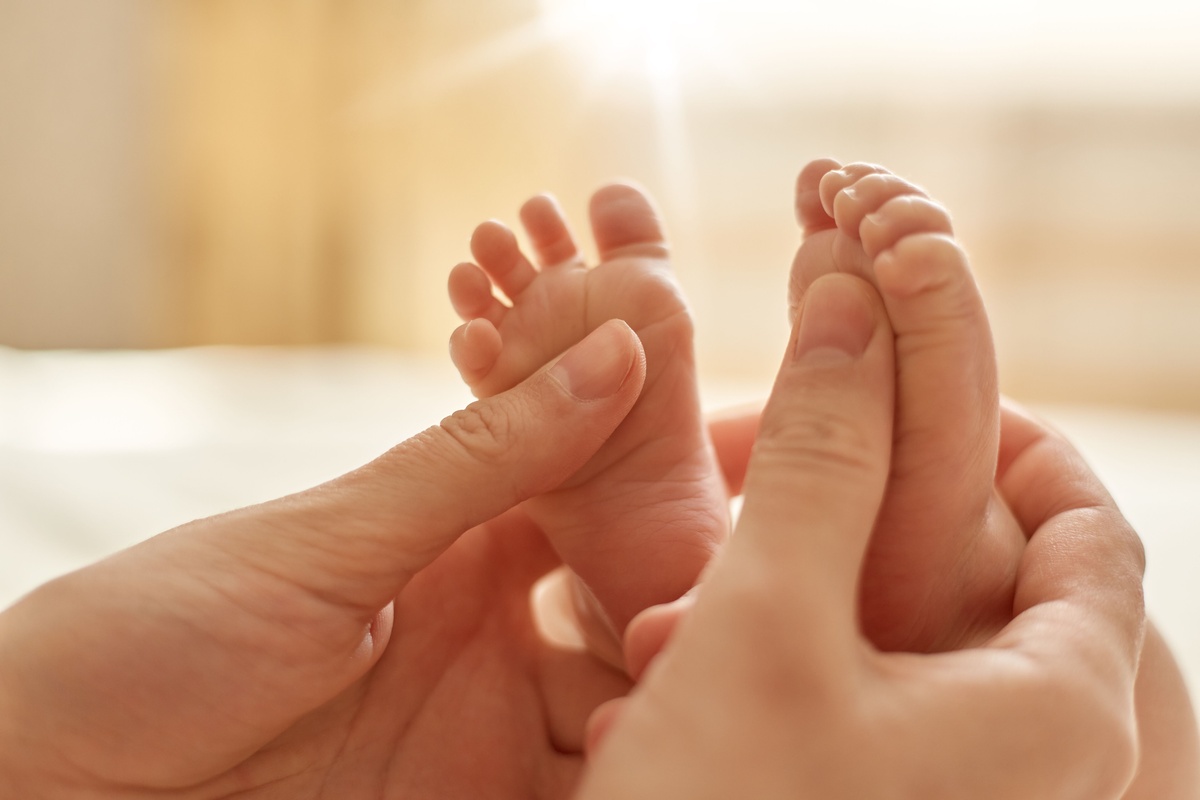
Baby massage consists of gentle, rhythmic touches that promote physical relaxation and strengthen the emotional bond between baby and parent.
It can usually begin after the umbilical cord has fallen off, with sessions lasting 5–15 minutes and adjusted to your baby’s responses.
Relieving gas discomfort and making it easier to settle to sleep are among the effects most often observed with regular massage.
During massage, fragrance-free, chemical-free, cold-pressed natural oils that are suitable for the baby’s skin barrier are recommended.
Baby massage is a soothing practice in which parents calm their babies with gentle touches and strengthen their emotional bond. For tired babies adjusting to the outside world during the first few months, and parents doing their best to care for them, these special moments can be restorative for both. If you’re wondering how to massage a baby, this guide covers basic techniques you can use while respecting your baby’s pace. It also explains the benefits of baby massage, how to prepare the ideal setting, and safe steps you can easily add to your daily routine.


What Are the Physical and Emotional Baby Massage Benefits?
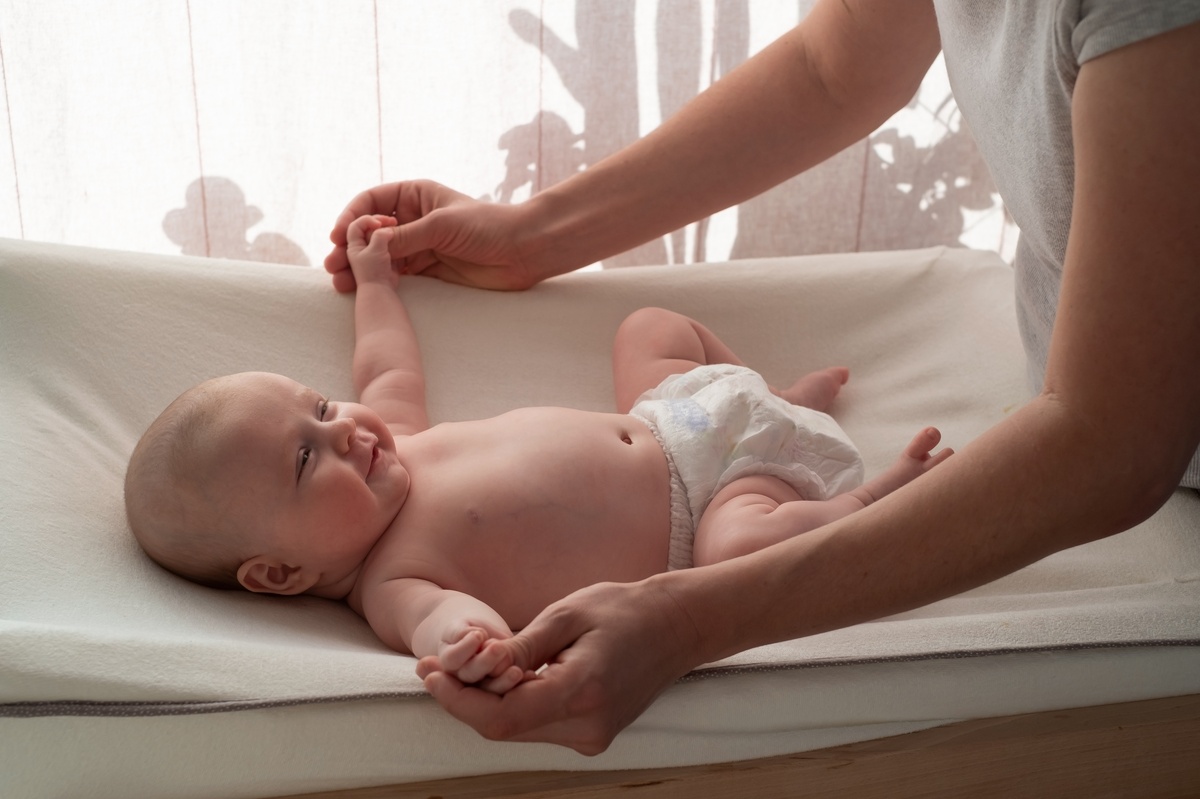
Regular massage can ease muscle tension, support digestion, and reinforce secure attachment with a parent by encouraging the release of oxytocin. For a newborn, a parent’s skin is one of the most familiar sensations. Gentle touch can lower stress while creating a loving channel of communication. Stimulating the sense of touch, one of the first senses to develop in the womb, may help your baby experience the surroundings as safe. The American Academy of Pediatrics (AAP) notes that massage can be an effective way to respond to newborns’ developmental needs.
Supporting Digestion and Easing Gas Discomfort
Baby massage for gas gently stimulates bowel movements, helping trapped air leave the body more easily. Because the digestive system is still developing during the first months, many babies experience gas buildup or colic symptoms. Light, rhythmic clockwise movements on the abdomen may soothe the digestive system through the vagus nerve and help the body relax. Colic in babies can be distressing for parents, who may add this massage to their daily routine to help soothe their baby. While trying burping techniques, you can watch care and health videos prepared by experts in the Yuppo app to learn techniques suited to your baby.
Improving Sleep and Helping Your Baby Relax
Baby massage for sleep may support the release of sleep-related hormones such as melatonin and often shorten the time it takes a baby to fall asleep. The physical relaxation massage provides can ease the stimulation that builds up during the day. Calming touches before bedtime may help regulate body temperature and signal that it is time to rest. Many babies settle into more uninterrupted sleep after a massage. Especially during the 4-month sleep regression period, adding a short massage to the bedtime routine can make the process more peaceful.
How Can You Prepare the Ideal Setting for Baby Massage?
Keep the room warm enough, dim the lights, and create a calm atmosphere. Adjusting the surroundings to your baby’s needs helps make massage a pleasant experience. Starting without rushing, at a time when you are both calm, can directly improve the experience.
Preparation Step | Recommended Setting | Purpose |
|---|---|---|
Room Temperature | 24–26°C (75–79°F) | Preventing a naked baby from getting cold |
Lighting | Dim, soft light | Supporting relaxation without straining the eyes |
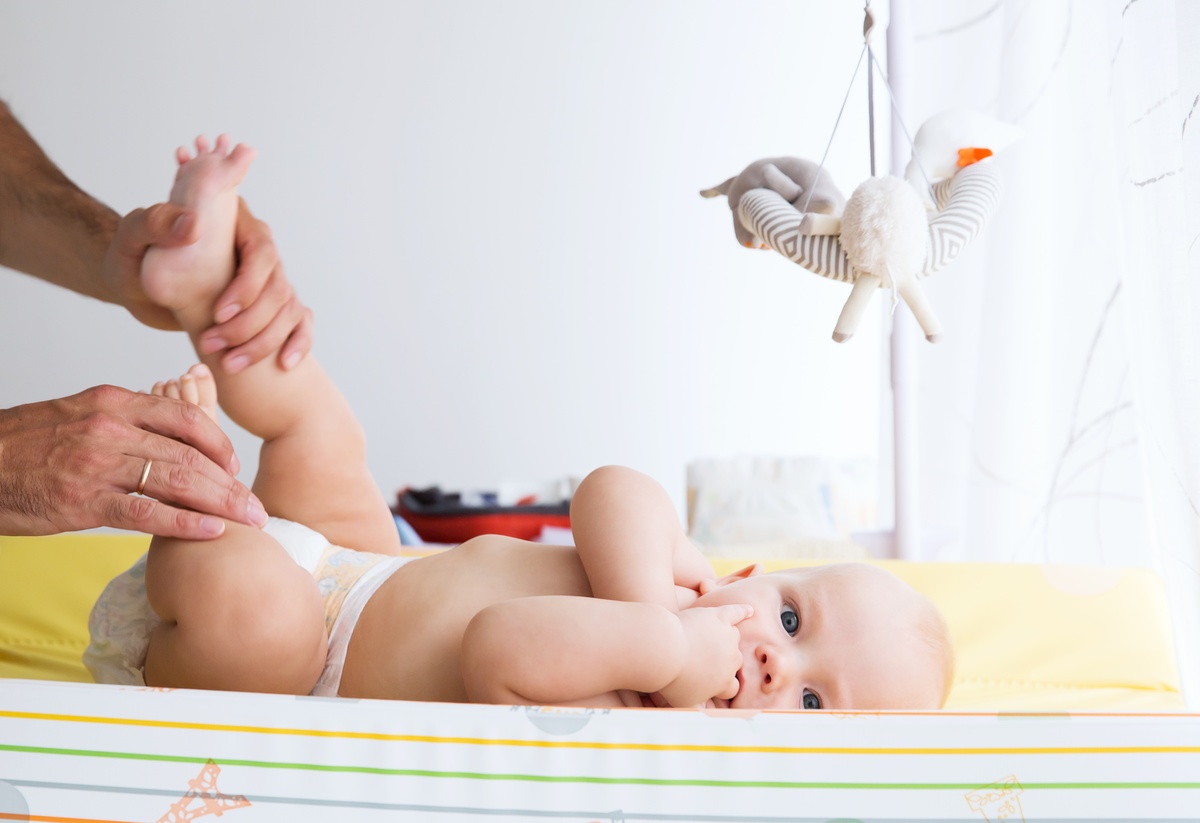
Surface | Flat and soft (for example, a changing mat) | Helping your baby lie comfortably and feel secure |
These simple preparations help your baby feel completely safe and settle into the massage.
Choosing the Right Room Temperature and Lighting
To prevent a naked baby from getting cold, keep the room around 24–26°C (75–79°F) and use soft lighting that does not shine directly into the eyes. Babies regulate heat differently from adults. Since your baby will not be wearing clothes during the massage, make sure the room is warm enough. Dim, comfortable lighting and gentle white noise in the background can reinforce the calming effect.
Safe Choices When Selecting Baby Massage Oil
The best oil for baby massage is a fragrance-free, edible, cold-pressed natural oil without chemical additives that does not disrupt the skin barrier. Your baby’s skin is extremely sensitive and tends to absorb products applied to it easily. The World Health Organization (WHO) recommends that products used on newborn skin be free of substances such as fragrance and parabens. Natural options such as coconut oil or sweet almond oil help your hands glide over your baby’s skin while nourishing it. Warming the oil slightly in your palm before applying it can make touch more comfortable.
Step-by-Step Baby Massage Techniques
Massage begins at the feet and moves up to the legs, abdomen, arms, and back, using gentle strokes and circular movements. Starting at the body’s outer points gives your baby time to get used to being touched. Babies may not enjoy sudden touch on the abdomen or chest, so moving slowly and rhythmically is essential.
The I Love You Massage for the Abdomen
The I Love You massage involves tracing the letters I, an upside-down L, and an upside-down U on your baby’s abdomen, following the direction of the intestines. Because it supports the digestive system’s natural movement, this technique can be soothing for babies with gas discomfort. Starting on your baby’s right side and gliding your hand up, across to the left, and down creates letters that may help move air in the intestines toward the exit. Watching your baby’s facial expressions helps you adjust the pressure.
Relaxation Movements for the Legs and Feet
Relax the legs by gliding your hands from the thighs toward the ankles as if gently milking them, then making soft circles on the soles of the feet. Many babies enjoy having their feet touched. Holding the legs gently and stroking downward can ease muscle tension. Soft touches on the soles can create a wave of relaxation throughout the body. Making eye contact and humming in a warm voice can turn the experience into an even more meaningful connection.
When Is the Best Time for Baby Massage?
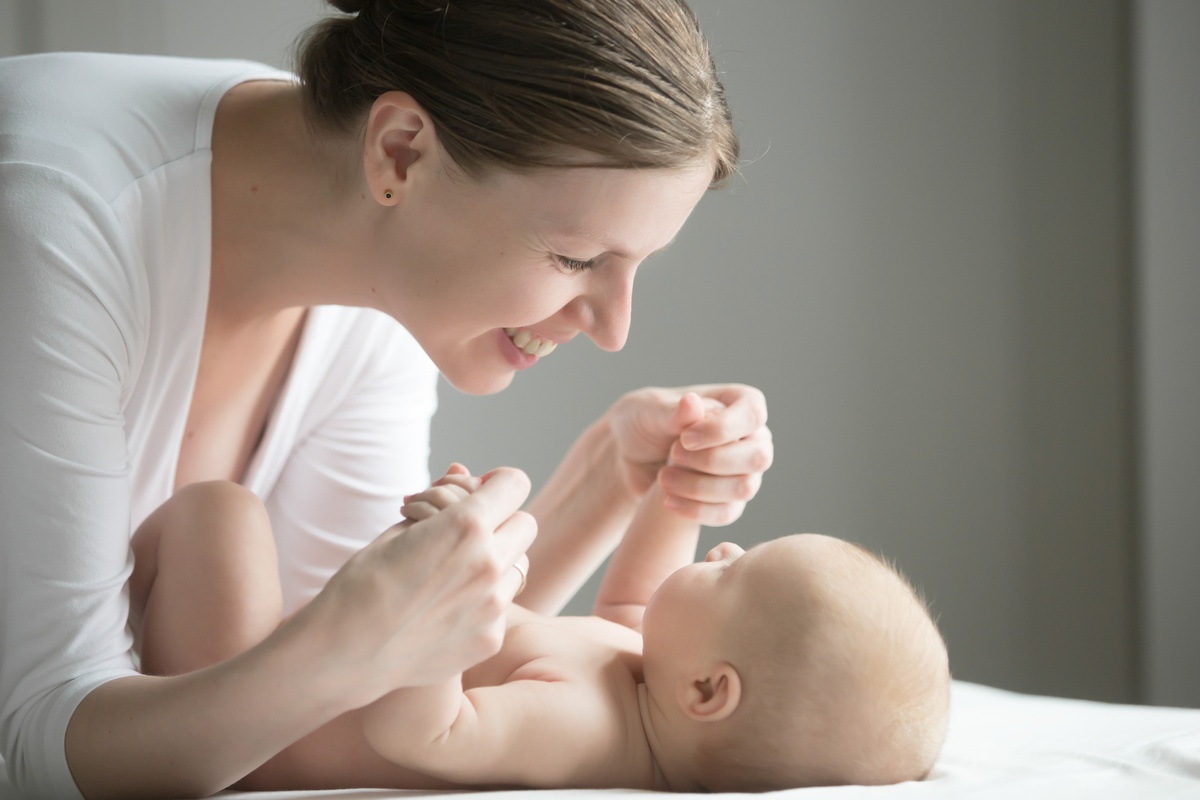
The best time is when your baby is neither very hungry nor completely full, and appears awake, calm, and open to interaction. To get the most from the massage, it is important to find a time when your baby is ready. Massage immediately after feeding can upset the stomach and cause spit-up or vomiting, so waiting about 45–60 minutes after a meal is generally considered ideal.
Massaging after an evening bath, as part of the bedtime routine, is a wonderful opportunity to release the day’s tiredness. If you want to improve your baby’s sleep habits, you can use these calming steps regularly. By entering your baby’s wake-up times in the sleep-tracking tool in the app, you can see bedtime recommendations calculated for your baby’s age and individual habits, then shape your massage routine around that plan.
When Should You Ask a Professional About Baby Massage?
Pause massage and consult a professional if your baby has unexplained rashes, infections, or marked tenderness around the joints. Baby massage is generally very safe, but some situations call for advice from a health professional. If your baby was born prematurely or has an underlying chronic health condition, ask your doctor for guidance before beginning. On vaccination days, avoid touching the injection site and consider postponing massage if your baby is generally fussy.
Summary and Next Steps
Purpose of massage: The main goals are relaxation and strengthening a sense of security; enjoy the skin-to-skin contact rather than searching for a perfect technique.
Timing: Massage your baby at least 45–60 minutes after feeding, when your baby is calm.
Suitable setting: Keep the room between 24–26°C (75–79°F), use dim lighting, and make sure your hands are warm.
Choosing an oil: Choose a natural, fragrance-free, edible oil suitable for baby skin.
This week, try adding 3–5 minutes of foot and leg massage to your evening bedtime routine and observe your baby’s responses.
When Should You Call the Doctor?
If you notice any of the warning signs below on your baby’s skin or in their behavior, pause the massage and consult your pediatrician:
Swelling or an inflamed rash develops where the massage was performed (slight pinkness is normal, but redness that persists and becomes raised requires medical evaluation).
Your baby suddenly cries sharply, as if in pain, when a particular joint or area is touched.
A fever reaches 38°C (100.4°F) or higher (in babies younger than 3 months, a temperature of 38°C (100.4°F) or higher always requires urgent evaluation).
Signs of a serious allergic reaction to the massage oil, such as widespread hives or trouble breathing, appear.
This content is for informational purposes only; always consult your pediatrician for diagnosis and treatment.
Every step you take to support your baby’s comfort and development matters. To record your baby’s feeding and diaper changes day by day, receive assessments tailored to their personal routine, and access expert-approved care videos, you can try the Yuppo app for free.
Frequently Asked Questions
When can I start massaging my newborn?
You can usually begin newborn massage within the first few weeks after the umbilical cord has fallen off and the skin barrier has adjusted to the outside world. During this period, keep touches very light and sessions to just a few minutes to avoid overstimulating your baby.
How often should I massage my baby?
Depending on your baby’s responses and daily routine, massage can usually be done once or twice a day. There is no fixed maximum, but many parents choose a short session during a diaper change and a longer, calming session before bed.
Is it okay to massage a crying baby?
Experts generally do not recommend massaging a crying baby because it may increase stress. Crying can show that your baby is not ready for touch at that moment. First respond to basic needs such as hunger, tiredness, or gas, then try massage when your baby is calm and receptive.
How long should a baby massage session last?
A session usually lasts 5–15 minutes, depending on your baby’s age and attention span. For newborns, 3–5 minutes may be enough. As your baby grows, you can gradually extend the session as long as they continue to enjoy it.
Can I use olive oil for baby massage?
Many experts do not recommend olive oil as a first choice because its oleic acid may weaken a newborn’s natural skin barrier and contribute to dryness. Instead, consider cold-pressed coconut or sweet almond oil, which can nourish the skin and be less irritating.
Is massaging a baby after feeding harmful?
Massage immediately after feeding is generally discouraged because pressure on the abdomen can cause stomach upset and vomiting. For comfortable digestion and a safer experience, wait about 45–60 minutes after feeding before beginning the massage.
References

Yuppo Lab
Occupational Therapist

Sleep
Learn 6 month sleep regression signs, likely duration, and practical ways to respond. Navigate your baby's changing sleep with Yuppo.
Sleep
Discover when sleep regressions strike and what to do at each stage, from 4 months to 2 years. Track your baby's sleep milestones with Yuppo.

Sleep
Learn why sleep regression strikes around 20 months and what you can do to help your toddler rest again. Track your toddler's sleep patterns with Yuppo.