Oral Thrush in Babies: Symptoms, Causes, and Treatment

This article is approved by Yuppo Lab Pediatrician
Published: 18 August, 2026
Updated: 18 August, 2026

At a Glance
Oral thrush in babies is a common fungal infection that usually appears as white patches in the mouth that look like milk residue but do not wipe away.
It can occur during the first months of life because a newborn's immune system is still developing.
The American Academy of Pediatrics (AAP) recommends antifungal drops prescribed under a doctor's supervision to treat thrush.
When the fungus spreads to a breastfeeding mother's nipples, both mother and baby need simultaneous treatment to break the cycle of reinfection.
Oral thrush in babies is a common cause of white patches in the mouth that often worry parents. It is especially common during the first months of life, and seeing your baby in pain can be unsettling. Take a deep breath: this is a common, manageable condition that can occur as part of your baby's natural immune development. In this article, you'll learn how to recognize newborn thrush symptoms, understand its causes and treatment, and get through this period without making things harder for your baby, together with your doctor.



What is oral thrush in babies, and what causes it?
Oral thrush in babies occurs when Candida albicans, a fungus normally found in the mouth, grows excessively during the first months, while the immune system is still developing.
Fungal cells live in everyone's body and usually cause no problems when they remain balanced with beneficial bacteria. Because a baby's microbiome is still developing, that balance can sometimes shift in favor of the fungus. The risk may increase if your baby recently took antibiotics for an illness or if you received antibiotic treatment while breastfeeding, because antibiotics can reduce the number of beneficial bacteria.
Candida albicans and the oral microbiome
Candida albicans and the oral microbiome help shape the microbial balance in a baby's mouth, but a decrease in beneficial bacteria can allow the fungus to spread quickly.
These microorganisms may settle on a baby's skin and in the mouth during or after birth through environmental contact. Under normal conditions, they support digestion and protection. The microbial balance in the mouth is especially sensitive during the first months and can change easily with feeding or environmental factors. Doctors may sometimes recommend age-appropriate probiotics to help restore this balance.
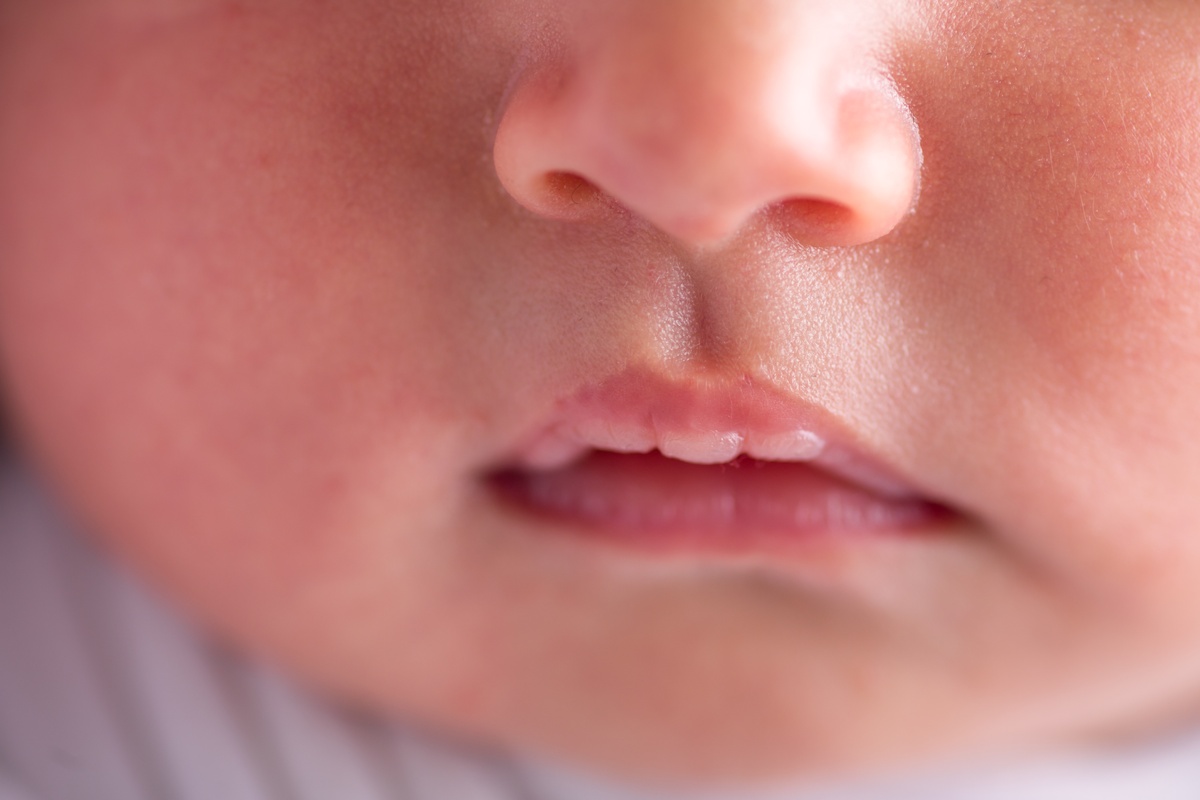
The role of the immune system in babies
The immune system in babies helps keep the balance of fungi and bacteria under control. When it is not yet fully effective, it can create conditions for thrush to develop.
Newborns' defenses are not as strong as those of adults and mature over time as they encounter factors in their environment. Because the system is still learning during this stage of growth, this natural development and adaptation is the main answer to the question, “What causes thrush in babies?”
What are the symptoms of oral thrush in babies?
Baby thrush symptoms usually include white patches on the inside of the cheeks, tongue, and palate that resemble milk residue, along with crying during feeds.
These symptoms can make your baby uncomfortable and make daily routines a little harder. Every baby responds differently to thrush, but the stubborn nature of the patches is often hard for an attentive parent to miss.
What white patches in a baby's mouth look like
White patches in a baby's mouth may look like milk residue, but they do not come off when gently wiped with gauze, and the tissue underneath remains red.
When you notice white patches in baby mouth areas, the first thought is often leftover milk after breastfeeding or formula feeding. The table below may help you tell the difference:
Feature | Milk Residue | Thrush |
|---|---|---|
Appearance | Thin, widespread white coating | Distinct patches resembling cheese or curds |
When wiped | Cleans off easily; the tissue underneath is a normal color | Does not clean off; the tissue underneath may become red if rubbed |
Baby's response | Usually does not cause pain or discomfort | May cause crying and fussiness, especially during feeds |
Never try to scrape these patches away. Doing so can cause minor bleeding in the sensitive lining of the mouth.
Feeding difficulties and fussiness
Feeding difficulties and fussiness can occur when soreness in the mouth makes sucking painful, causing a baby to refuse the breast or bottle.
If your baby is not as hungry as usual, lets go of the breast while crying, or seems distressed during feeds, mouth pain may be the cause. Sometimes these crying episodes are so intense that you may think they are related to colic in babies, but checking the mouth can help you identify the real cause. If the loss of appetite continues, it is natural to worry that your baby is refusing to breastfeed. To closely track changes in feeding, you can record in Yuppo how long your baby nurses from each breast or how much formula your baby takes, then follow the amount of appetite loss day by day.
How is baby thrush treated?
Baby thrush treatment involves applying liquid antifungal medicine directly to the patches in the mouth for the length of time and at the dose recommended by a doctor.
Thrush usually does not clear up with simple home methods and requires a professional medical plan. Once treatment begins, symptoms may take anywhere from a few days to two weeks to disappear.
Using antifungal drops under a doctor's supervision
Antifungal treatment under a doctor's supervision may involve liquid medicines containing active ingredients such as nystatin, applied or dropped directly onto the white lesions several times a day.
The American Academy of Pediatrics (AAP) recommends continuing treatment for the period advised by your doctor, even after the white patches disappear. When giving the drops, gently applying the medicine to the patches with a clean finger or cotton swab may improve its effect.
Nipple care for breastfeeding mothers
Nipple care for breastfeeding mothers involves applying doctor-recommended antifungal cream to the nipples to prevent the infection from passing back and forth between mother and baby.
If your baby has thrush and breastfeeds, you may notice itching, burning, unusual shine, or peeling skin on your nipples. Treating mother and baby at the same time is one of the most important steps for preventing reinfection from the other person while one is recovering.
Hygiene rules to prevent thrush in babies
To prevent thrush in babies, sterilize pacifiers, bottle nipples, and breast pump parts that come into contact with your baby's mouth after every use.
As your baby's immune system grows stronger, the risk of the fungus multiplying will naturally decrease. During the first months especially, it is important to clean these items with hot water and suitable cleansers. Boiling bottles and pacifiers or cleaning them with a sterilizer can help prevent the fungus from lingering on them. Breastfeeding mothers can also use breathable cotton nursing pads to help keep the area dry. If you want quick access to reliable information about cleaning baby items or baby body care, you can read the expert-prepared information cards in Yuppo's health and care section and follow the right methods.

Summary and Next Steps
Notice the symptoms: Check the white patches in your baby's mouth and note whether they disappear when wiped.
Track feeding: Note crying during nursing or refusal of the breast or bottle and share this information with your doctor.
Follow hygiene routines: Starting this week, make a habit of sterilizing bottle and pacifier parts that touch your baby's mouth after every use.
Treat both sides: If you are breastfeeding, monitor your nipple health while your baby is being treated and contact your doctor at the first sign of sensitivity.
When Should You Call the Doctor?
You should call the doctor about baby thrush as soon as you notice patches in the mouth or your baby begins refusing feeds. Thrush alone is not usually an emergency, but it can interfere with feeding and lead to fluid loss, so medical evaluation is important. Contact your child's doctor if:
The white patches in your baby's mouth do not wipe away and the tissue underneath is red,
Your normally hungry baby cries continuously while nursing and refuses to feed,
Your baby under 3 months has a fever of 38°C (100.4°F) or higher,
Your baby shows clear tiredness, fewer than 4–5 wet diapers a day, or signs of fluid loss such as a sunken soft spot,
As a breastfeeding mother, you develop severe nipple pain, burning, or redness.
This content is for informational purposes only. Always consult your child's doctor for diagnosis and treatment.
Tracking your baby's reduced appetite and disrupted routines during illness can be confusing. By recording feeding frequency, wake times, and diaper changes in the Yuppo app, you can manage a personalized sleep and feeding schedule based on your baby's age and individual habits from one screen. You can try Yuppo's daily tracking features for free to give your doctor clear information about fluid intake and diaper fullness at appointments.
Frequently Asked Questions
Can oral thrush in babies clear up on its own?
Oral thrush in babies usually does not clear up on its own and requires medical care. Because the immune system is still developing, antifungal treatment prescribed under a doctor's supervision may help prevent the infection from spreading and keep feeding from becoming more difficult.
How can I prevent thrush while breastfeeding?
Keep your nipples clean and dry and choose cotton clothing. Sterilize breast pump parts after every use. If your baby is diagnosed with thrush, ask your doctor whether you should apply a recommended cream to your nipples as well. Treating both of you can help prevent reinfection.
Can baking soda water treat thrush in babies?
Baking soda water is not considered a reliable, proven treatment for thrush in babies. Because the mouth lining is very sensitive, baking soda mixtures may cause irritation. Do not use them without medical advice; use the safe medicine prescribed by your child's doctor instead.
Is oral thrush in babies painful?
Oral thrush can make the mouth, especially the tongue and cheeks, sore and may hurt during sucking or swallowing. This discomfort can make your baby fussy, lead to frequent crying, and reduce the desire to feed. If feeding becomes difficult, contact your child's doctor.
How long does baby thrush take to go away?
After the prescribed treatment begins, thrush usually starts improving within a few days and may clear completely in about one to two weeks. Even if the white patches disappear, continue the medicine for the full period recommended by your doctor to help prevent the infection from returning.
Can thrush make breastfeeding difficult?
Thrush can make breastfeeding harder because of soreness in your baby's mouth. If it spreads to the mother's nipples, nursing may also become quite painful. With simultaneous treatment for mother and baby, breastfeeding can often become comfortable again within a short time.
References

Yuppo Lab
Pediatrician

Sleep
Learn 6 month sleep regression signs, likely duration, and practical ways to respond. Navigate your baby's changing sleep with Yuppo.

Sleep
Discover when sleep regressions strike and what to do at each stage, from 4 months to 2 years. Track your baby's sleep milestones with Yuppo.

Sleep
Learn why sleep regression strikes around 20 months and what you can do to help your toddler rest again. Track your toddler's sleep patterns with Yuppo.