Picky Eater Toddler Meal Ideas and Feeding Strategies

This article is approved by Yuppo Lab Pediatric Dietitian
Published: 01 August, 2026
Updated: 01 August, 2026

At a Glance
Loss of appetite and food refusal in toddlers aged 12 to 36 months are often part of a normal developmental phase.
Food neophobia, the tendency to reject new foods, typically peaks between 18 and 24 months.
A balanced meal plan is built by always including at least one safe, familiar food on the plate.
The American Academy of Pediatrics (AAP) recommends the division of responsibility, where parents decide when and what to serve, and the child decides how much to eat.
Creating an ideal meal plan for picky eaters helps reduce mealtime struggles while ensuring your toddler gets essential nutrients. During the 12-month baby development stage and beyond, a toddler's search for independence can directly impact their plate. Being patient and applying specific strategies makes managing picky eating habits easier. This guide offers practical methods to turn mealtimes into stress-free experiences.


What causes picky eating in toddlers?
Picky eating in children results from a combination of a desire for independence, changing growth rates, and sensory sensitivities. Because the rapid growth rate seen in infancy slows down starting around 12 months, a child's caloric needs and appetite naturally decrease.

Neophobia as a developmental phase
Food neophobia is a natural protective mechanism where children reject foods they have not tasted before or are unaccustomed to seeing. Becoming prominent usually between 1 and 3 years of age, this behavior is considered part of a child's desire to control their environment. According to research, a child may need to be exposed to a new food 10 to 15 times in a pressure-free environment before accepting it.
The impact of sensory sensitivities on feeding
Sensory sensitivities can make eating difficult when children show heightened sensitivity to food textures, smells, colors, or temperatures. For example, vegetables with rough textures or meat fibers that feel different in the mouth can trigger a gag reflex in some children. A toddler going through teething may also experience increased oral sensitivity, leading to the rejection of hard foods.
How to create a weekly meal plan for picky toddlers
A weekly meal schedule for picky eaters is built on the principle of adding a small amount of a new food alongside a well-liked food at each meal. Focusing on total weekly intake rather than meeting every food group on a daily basis relieves pressure on parents.
Rules for building a balanced plate
A balanced toddler plate consists of one portion of protein, one portion of complex carbohydrates, healthy fats, and a small amount of vegetables or fruit. Keeping the plate visually simple and preventing foods from touching can positively influence a picky eater's response. Adjusting portion sizes to the size of the child's palm prevents feelings of being overwhelmed.
Pairing liked foods with new flavors
Pairing liked foods with new flavors involves introducing a new food next to a taste the child is already familiar with. Adding a small amount of grated zucchini to a pasta sauce the child loves or gently mixing cauliflower into mashed potatoes are examples of this method.
The following feeding table for toddlers with low appetite includes an example meal list to provide ideas when creating a weekly menu:
Mealtime | Safe Food (Familiar) | New or Trial Food | Food Group Focus |
|---|---|---|---|
Breakfast | Hard-boiled egg, cheese | 1 slice of avocado or strawberry | Protein and Healthy Fat |
Lunch | Homemade meatballs, pasta | 2 slices of baked carrots | Protein and Complex Carbohydrate |
Afternoon Snack | Yogurt | Oatmeal or blackberries | Calcium and Probiotic |
Dinner | Chicken soup, rice | Finely chopped steamed broccoli | Iron and Fiber |
The pairings presented in the table aim to gradually enrich your child's relationship with their plate. Even if the new foods served are not eaten, having them present on the plate is important for building familiarity.
5 ways to make mealtimes enjoyable for picky toddlers
To make mealtimes enjoyable for toddlers with low appetite, routines and fun approaches that reduce tension at the table can be adopted.
Remove the Pressure: Avoid insisting with phrases like "take one more bite"; offer the plate and leave the decision to the child.
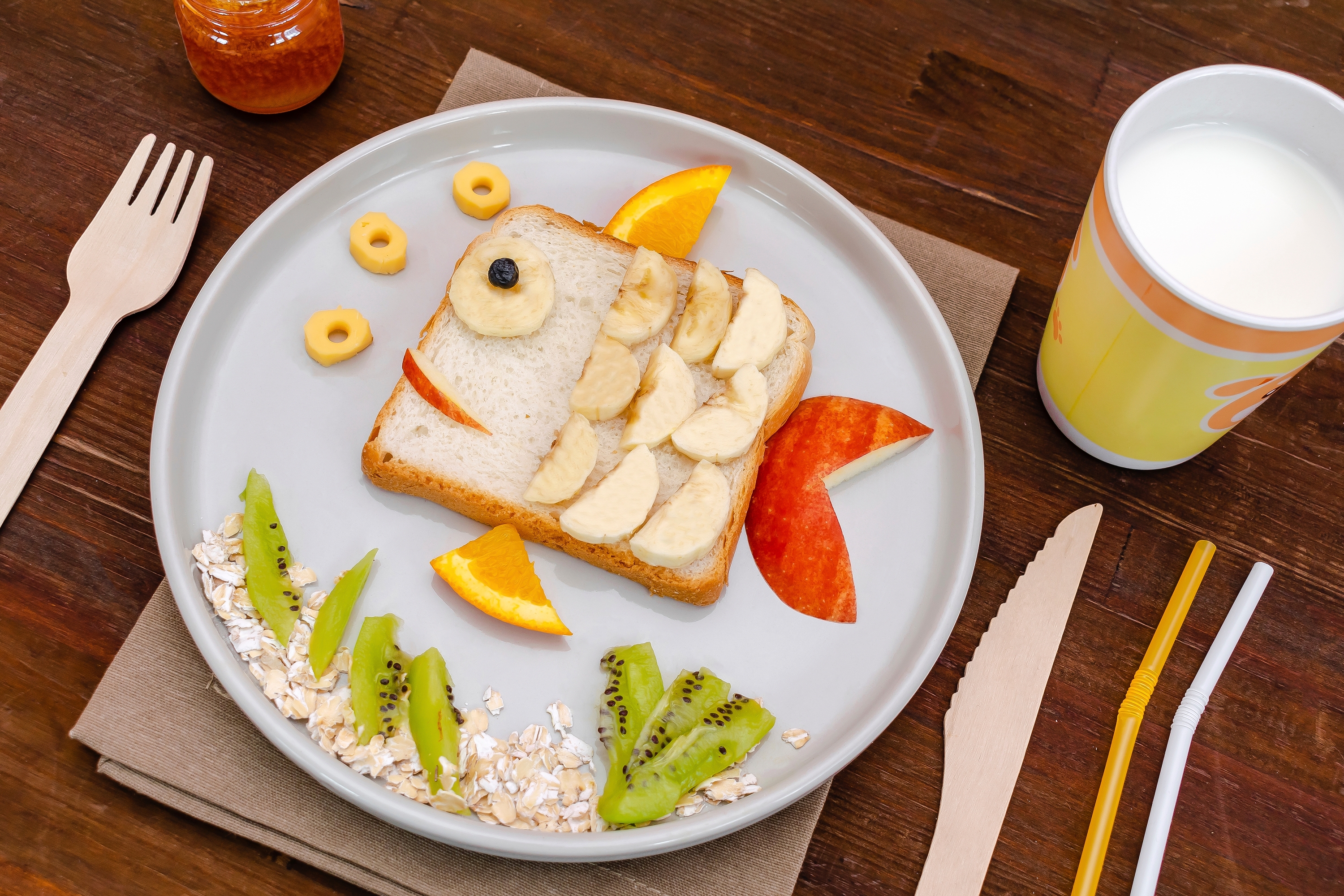
Use Fun Presentations and Lunch Box Ideas: Shaping foods with cookie cutters or using colorful picks increases interest.
Involve Your Child in Preparation: Allowing them to pick vegetables while shopping or place napkins on the table strengthens their sense of belonging.
Establish Meal Schedules: Avoid constant snacking between meals so they come to the main meal hungry.
Be a Role Model: Parents eating a variety of foods with enthusiasm triggers the child's emotional intelligence and social learning mechanisms.
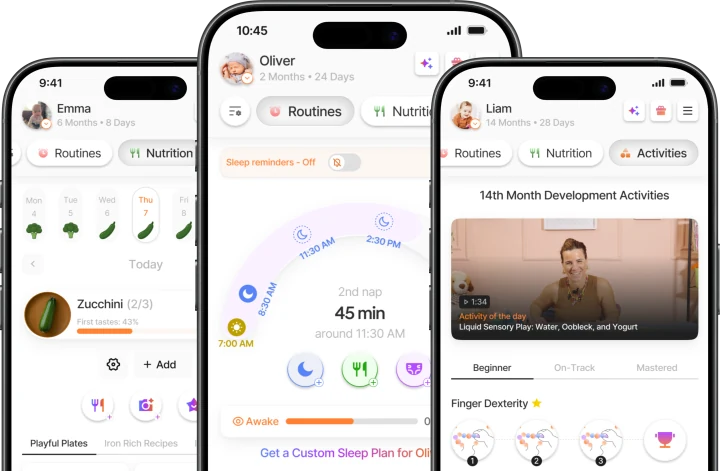
To track your child's eating habits and daily developmental milestones, you can use the growth tracking features in the Yuppo app.
Common mistakes parents make when dealing with food refusal
The biggest mistake when food refusal occurs is constantly feeding the child only one liked food (such as only milk or potatoes) to prevent them from staying hungry. The World Health Organization (WHO) warns that consuming excessive liquid or sugary foods between meals reduces appetite for main meals.
Allowing screen time at the table or turning eating into a reward/punishment mechanism can also disrupt healthy satiety signals in the long run. Rather than preparing a separate alternative menu for the child, offering safe components of the meal cooked for the family is a more sustainable approach.

When to consult a specialist for feeding issues?
A specialist should be consulted when feeding issues cause weight loss, stop weight gain, or when food choices drop below 5 foods.
Biological factors such as iron deficiency can also directly cause a loss of appetite. Your pediatrician or a pediatric nutritionist can examine underlying physiological or sensory reasons to draw up a personalized roadmap.
Summary and Next Steps
Developmental awareness: Accept that picky eating between 12 and 36 months is a temporary developmental phase.
Patient exposure: Continue placing a new food on the plate at least 10–15 times without pressure.
Safe food rule: Always include at least one food on the plate at every meal that your child definitely accepts.
Division of responsibility: Decide what and when to serve, and let your child decide how much to eat.
Action for this week: Go into the kitchen with your child and let them wash a vegetable they choose and place it on their plate.
When to See a Doctor
A pediatrician should be consulted if the following symptoms are observed during periods of loss of appetite or picky eating:
Weight loss or a noticeable drop on the growth chart in children aged 1–3 years.
The child accepting fewer than 5 total foods (extremely restricted diet).
Frequent gagging, vomiting, or swallowing difficulty during or after meals.
The child experiencing intense crying episodes upon simply seeing foods of certain textures.
Symptoms such as lethargy, pale skin, or chronic constipation accompanying the issue.
This content is for informational purposes only; always consult your pediatrician for diagnosis and treatment.
Monitoring your child's growth curve and developmental milestones regularly during picky eating phases gives you confidence in your parenting journey. With the Yuppo app, you can easily track your child's physical and motor development with tools tailored to their age group.
To discover weekly development content and personalized guidance, create your free account and start exploring the world of Yuppo today.
Frequently Asked Questions
What should I do if my child refuses to eat vegetables?
You can continue offering vegetables without pressure, in small portions and using different cooking methods (such as baking or blending in soups). Even allowing the vegetable to sit on the child's plate is an important step in getting used to it.
Are vitamin supplements necessary for picky eaters?
Vitamin supplement use should only be decided after blood tests and developmental evaluations conducted under a doctor's supervision. Using random vitamins does not boost appetite and can put extra burden on organs.
How long does picky eating usually last?
Picky eating typically begins around 18 months and wanes naturally between 3 and 5 years of age. A consistent, pressure-free approach from parents helps navigate this phase faster and more smoothly.
How can I keep my toddler at the table?
Limiting mealtimes to 20–25 minutes and sitting together as a family are effective ways to keep a toddler at the table. Removing distractions like screens and creating a conversational environment naturally extends time spent at the table.
Will picky eating habits go away over time?
Picky eating behavior usually resolves on its own during the preschool years thanks to a patient, pressure-free parental attitude. Continued exposure to different flavors positively impacts dietary variety in adulthood.
Does a picky eater get enough calories?
Even if picky eaters seem to eat very little on a daily basis, they generally balance their needed caloric intake over a weekly period. If your child's energy level is high and their growth curve is normal, their caloric intake is usually sufficient.
References
Białek-Dratwa, A., Szczepańska, E., Szymańska, D., Grajek, M., Krupa-Kotara, K., & Kowalski, O. (2022). Neophobia—A Natural Developmental Stage or Feeding Difficulties for Children?. Nutrients, 14(7), 1521. https://pubmed.ncbi.nlm.nih.gov/35406134/
Schwartz, S. (2013). Strategies and suggestions for a healthy toddler diet. Pediatric Annals, 42(8), 329-333. https://pubmed.ncbi.nlm.nih.gov/23992209/

Yuppo Lab
Pediatric Dietitian

News
Learn how parallel play supports toddlers and find simple developmental activities for toddlers at home. Follow your child’s progress with Yuppo.

News
Learn why a child growth chart is more useful over time than one weight check—and how Yuppo helps you follow your child's growth. Track growth with Yuppo.

News
Learn why picky eating happens and how to support your child with calm, practical steps. Track meals and nutrition with the Yuppo app.