How to Increase Breast Milk Supply: Practical, Evidence-Based Tips

This article is approved by Çiğdem İrem İleri
Published: 08 April, 2026
Updated: 19 August, 2026

Key Takeaways
Breast milk production is mainly based on supply and demand; stimulating the breasts signals the body to make more milk.
During the first months, breastfeeding your baby an average of 8 to 12 times in 24 hours is an effective way to maintain and increase milk production.
To support milk production, mothers are generally advised to drink around 2.5 to 3 liters (84.5 to 101.4 fl oz) of fluids per day.
One of the most reliable signs that your baby is getting enough milk is changing at least 5–6 wet diapers a day.
It is completely natural to worry about whether you have enough milk while feeding your baby. How to increase breast milk supply is one of the most common questions mothers search for, especially during the first weeks and months after birth. This article explains how to support breastfeeding without adding guilt to your sleep-deprived, tiring days. You will find evidence-based information about how milk is made, everyday nutrition changes, and effective breastfeeding techniques. Every mother’s and baby’s breastfeeding journey is unique, and moving at your own pace is always the right approach.


How does breast milk production work biologically?
Breast milk production is a biological cycle that begins when hormones released by the pituitary gland in the brain stimulate breast tissue and continues to renew itself in response to your baby’s sucking reflex. This process reflects the body’s remarkable ability to adapt. Behind milk production is a natural system called lactation, which may seem complex but is shaped step by step around your baby’s immediate needs. As breastfeeding becomes established, your body begins to adjust milk production on its own according to your baby’s growth spurts and feeding frequency.

The roles of prolactin and oxytocin
Prolactin and oxytocin stimulate milk-producing cells, support milk production, and help the milk travel through the ducts to your baby. According to the World Health Organization (WHO), prolactin is directly responsible for milk production, while oxytocin causes contractions during breastfeeding that trigger milk ejection. Holding your baby, smelling your baby, and sharing a loving bond naturally increase oxytocin release. If milk flow slows when you feel anxious, this may also be because these hormones are affected by your emotional state.
Breastfeeding supply and demand: Does milk increase the more you nurse?
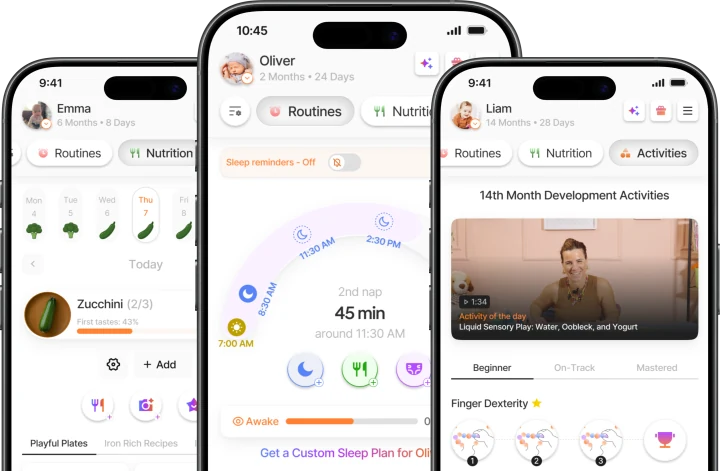
An increase in milk production with more breastfeeding depends on the body’s supply-and-demand process: the more often and effectively the breast is emptied, the more the body begins producing new milk. The American Academy of Pediatrics (AAP) recommends feeding babies whenever they show hunger cues during the first months to establish a reliable milk supply. Milk that remains in the breasts for a long time can release a protein that slows production, so leaving milk in the breast may reduce supply. The simplest answer to how to increase breast milk supply is to empty the breasts regularly. As you find your own rhythm, you can use Yuppo’s feeding tracker to record how long your baby nurses from each breast with the timer, making it easier to review your supply-and-demand pattern from day to day.
Nutrition and lifestyle habits that support breast milk supply
Nutrition and lifestyle habits that support breast milk supply include eating nutrients that meet the body’s increased energy needs, limiting stress, and drinking plenty of fluids. Breastfeeding increases a mother’s calorie needs, so your daily eating routine matters for maintaining your energy. There is no miracle formula, but foods to increase milk supply may support your body and contribute to the process. If you are looking for practical, nourishing ideas during breastfeeding, take a look at our recipes that may support milk supply.

The link between fluid intake and milk quality
The link between fluid intake and milk quality is based on the fact that breast milk is largely made up of water, so staying hydrated directly supports the body’s ability to produce milk. Drinking around 2.5 to 3 liters (84.5 to 101.4 fl oz) of water per day is generally considered enough for mothers to maintain hydration. Drinking water alone will not take milk production to its maximum, but not drinking enough may noticeably slow production. Keeping a full water bottle where you breastfeed or pump can make it easier to drink when fatigue causes you to forget.
Lactogenic foods and a balanced diet
Lactogenic foods and a balanced diet involve adding foods thought to support milk production, such as oats, barley, and dark leafy greens, to daily meals in different ways. A balanced plate containing protein, healthy fats, and complex carbohydrates helps maintain your energy and enriches the nutritional content of your milk. Still, no food can replace breastfeeding your baby frequently. Rather than restricting yourself with rigid diets, choosing foods you enjoy and find satisfying may also support your well-being.
How to increase breast milk supply with effective breastfeeding techniques
Increasing milk production with effective breastfeeding techniques is possible by helping your baby latch correctly and managing feeding frequency so the breasts receive optimal stimulation. One of the most basic milk-supply techniques is making sure your baby takes a wide mouthful that includes most of the darker area around the nipple, the areola, rather than only the nipple tip. A shallow latch can cause sore nipples and prevent the breast from emptying fully. If your baby sometimes becomes fussy and refuses to latch, our article Is your baby refusing to breastfeed? may help.
Why frequent and nighttime breastfeeding matters
Frequent and nighttime breastfeeding matters because prolactin is released at particularly high levels at night, helping replenish the milk supply for the following day. Experts commonly recommend breastfeeding newborns an average of 8 to 12 times in 24 hours during the first weeks as milk production becomes established. Feeding frequency keeps the breasts consistently stimulated, making it central to increasing supply. Night wakings can be difficult, but knowing that these feeds support your milk supply may help you stay motivated.
How skin-to-skin contact affects milk production
Skin to skin breastfeeding can support milk flow because placing your baby’s bare body against your chest triggers oxytocin release. Taking off your top, placing your baby in only a diaper against your chest, and covering both of you with a blanket can help you relax deeply and encourage your baby’s natural feeding instincts. This caring practice gives your body a chance to settle, especially on tiring days when you feel your supply has dropped or during challenging breastfeeding periods.
Real signs of low milk supply
Low milk supply signs include weight gain that remains below the expected level on the growth curve monitored by your baby’s pediatrician and a consistent drop in the number of wet diapers each day. Many parents interpret breasts that no longer feel as full as they did during the first days as a sign that milk supply is decreasing. Usually, this simply means the breasts are adapting to your baby’s needs. Softer breasts or getting less milk from the pump alone do not mean your milk is gone.
Tracking diapers and weight gain
Tracking diaper counts and weight gain involves counting wet and dirty diapers each day and monitoring growth during routine checkups to understand whether your baby is getting enough breast milk. After the first week, a baby will generally have 5–6 heavy, pale-urine diapers and at least 3–4 dirty diapers in 24 hours, which is a reliable sign of adequate feeding. Each time you change a diaper, you can record whether it is full and whether its contents are liquid or solid in Yuppo’s diaper tracker, receive real-time interpretations of what these signs may mean, and follow your baby’s development with confidence.

Summary and next steps
Frequent breastfeeding: During the first months, breastfeed your baby at least 8–12 times a day to establish supply and demand.
Fluid intake: Keep a bottle of water where you breastfeed and aim for around 2.5–3 liters (84.5–101.4 fl oz) of fluids per day.
Skin-to-skin contact: Spend skin-to-skin time with your baby every day to support oxytocin and strengthen your bond.
Diaper tracking: Track 5–6 heavy wet diapers each day to help make sure your baby is well fed.
When should you call a doctor?
Although breastfeeding usually follows the body’s natural rhythm, certain physical signs may mean that you should speak with your pediatrician or a lactation consultant:
Your baby has fewer than 4 wet diapers in 24 hours after the first week,
Your baby’s urine becomes dark yellow, orange, or brick-colored (urate crystals can be normal in the first days but may signal dehydration in later weeks),
Your baby has not returned to their birth weight by the end of the second week,
Your baby remains very fussy after breastfeeding sessions or, conversely, is difficult to wake (lethargic),
You notice severe breast pain that does not go away after feeding, warmth, localized redness, or a fever of 38°C (100.4°F) or higher, which may indicate mastitis.
This content is for informational purposes only. Always consult your pediatrician for diagnosis and treatment.
You can easily record your baby’s feeding routine, including how many minutes your baby nurses and from which breast, so you can comfortably observe your own rhythm. When your baby starts solids, you can also record the foods they try day by day. To create personalized plans that fit your preferred feeding approach, try the Yuppo app for free.
Frequently asked questions
Can drinking water increase breast milk supply?
Drinking water does not directly increase breast milk supply. However, because milk is largely made up of water, staying hydrated helps prevent dehydration and supports the milk-production process. Getting enough fluids may also help a tired mother maintain her energy, making it easier to continue caring for herself and her baby.
Can stress and lack of sleep reduce milk supply?
Stress and fatigue do not physically eliminate breast milk, but they may suppress oxytocin, the hormone that helps milk leave the breast, making milk flow more difficult. This can lead indirectly to a short-term decrease in supply. Rest, reassurance, and practical support can help make the breastfeeding process easier.
Which herbal teas are safe for increasing milk supply?
Herbal teas such as fenugreek and nettle have traditionally been used to support milk production, but evidence and safety can vary. Before regularly using any herbal product or supplement, ask your doctor about possible side effects, interactions, and whether it is appropriate while breastfeeding.
Can pumping help increase breast milk supply?
Pumping can help increase milk supply when your baby cannot effectively empty the breast or when you are separated from your baby. By stimulating the breast, pumping sends the brain a signal to make more milk, which can help maintain or increase production.
What happens to milk supply if I breastfeed from only one breast?
Breastfeeding from only one breast can increase supply in the breast that is stimulated regularly while slowing production in the other breast. Starting alternate feeding sessions on different breasts helps support a more balanced supply. If you usually use one breast, a lactation consultant can help you adjust your approach.
References

Dr. Çiğdem İrem İleri
Developmental Psychologist
After graduating from Koç University in 2019 with a double major in Psychology and Media and Visual Arts, alongside track programs in Design, Gender Studies, and Media and Management, Çiğdem İrem İleri began her integrated doctoral studies in Developmental Psychology at the same institution that same year.

Sleep
Learn 6 month sleep regression signs, likely duration, and practical ways to respond. Navigate your baby's changing sleep with Yuppo.

Sleep
Discover when sleep regressions strike and what to do at each stage, from 4 months to 2 years. Track your baby's sleep milestones with Yuppo.

Sleep
Learn why sleep regression strikes around 20 months and what you can do to help your toddler rest again. Track your toddler's sleep patterns with Yuppo.