Prenatal Yoga and Meditation for Stress During Pregnancy and After Birth

This article is approved by Çiğdem İrem İleri
Published: 08 April, 2026
Updated: 13 August, 2026
Highlights
Yoga practices during pregnancy and after birth can support physical relaxation while helping manage stress levels.
For most expectant mothers, starting safe prenatal yoga poses from week 14 of pregnancy (the second trimester) is generally considered appropriate.
Postpartum meditation can be supported with short, 5–10-minute breathing exercises each day to help balance emotional changes after birth.
If you experience pain, bleeding, or dizziness during exercise, stop immediately and contact a doctor.
Yoga practices during pregnancy and after birth are effective ways to help you adjust to your changing body and cope with stress. Calming your mind without pushing past your physical limits is especially important during this time of change. You may feel tired and worried; that is completely natural. This guide for expectant and new mothers covers relaxation techniques to prepare your body for birth, the power of breathing, and safe steps to support emotional balance during the postpartum period.


Why Are Prenatal Yoga for Stress Practices Important During Pregnancy and After Birth?
Yoga during pregnancy and after birth is a holistic approach that can make both pregnancy and the postpartum period easier by increasing physical flexibility and easing mental tension. As your body adapts to new changes each day, yoga can reduce muscle tension and help prevent postural problems. The benefits of pregnancy yoga include not only physical relief but also deeper emotional relaxation.
Balancing Cortisol Levels
Balancing cortisol levels is possible because yoga and deep-breathing practices can calm the nervous system and reduce the release of stress hormones in the body. Instead of remaining in a constant state of anxiety, focusing on your breath helps your body move out of defense mode. This can make it easier to release oxytocin, the hormone that supports bonding and relaxation between mother and baby.
Strengthening the Bond Between Body and Baby
Strengthening the bond between body and baby means deepening the connection you build with your baby during pregnancy through inner-focus exercises and later through skin-to-skin contact. When your mind is calm, you may notice your baby's movements and needs more clearly. After birth, contact-focused approaches such as using a baby carrier or sling can increase your sense of security and support emotional balance.
Yoga Movements and Meditation to Reduce Stress During Pregnancy
Yoga movements and pregnancy meditation for anxiety can make it easier to adapt to changes in your body's center of gravity while promoting mental calm. During this time, your body makes room for your baby, placing extra strain on the pelvic floor muscles. Properly guided movements can ease this strain and help prepare your body for birth without overexertion.
Safe Prenatal Yoga Poses
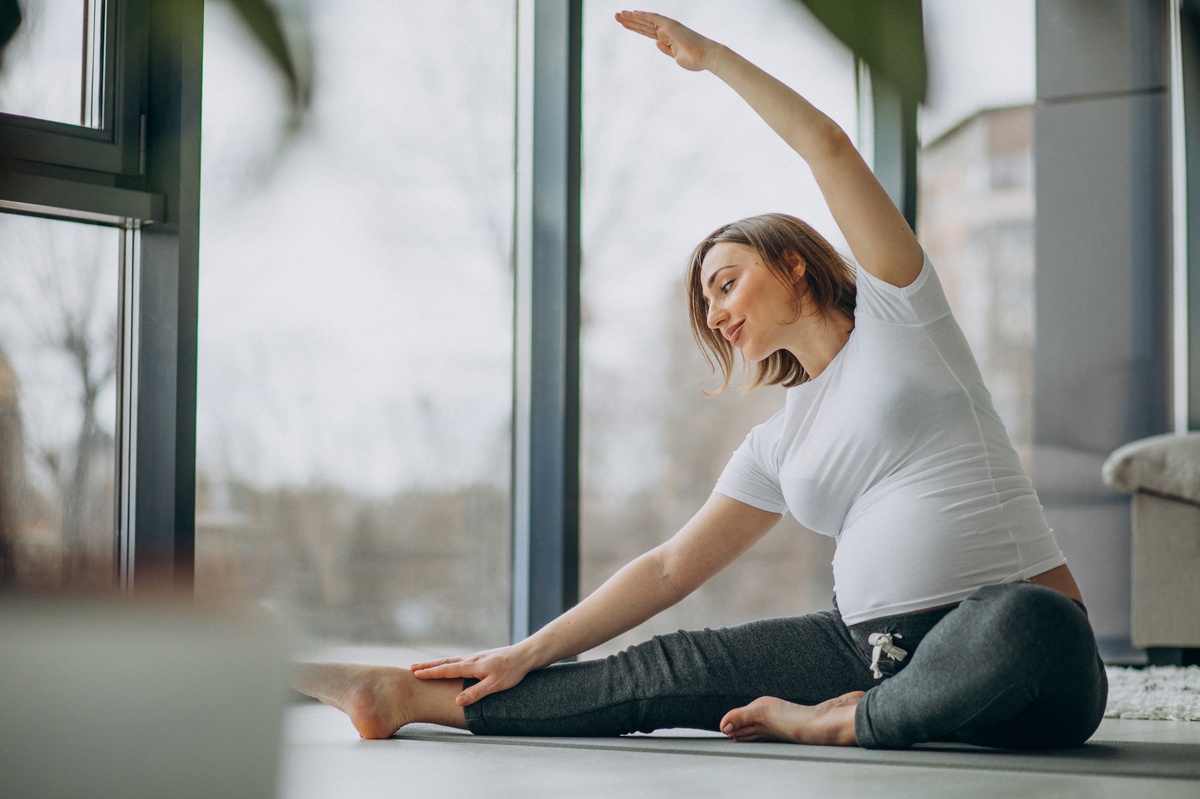
Safe prenatal yoga poses generally consist of gentle stretches that support the pelvic floor and are practiced from the second trimester onward. The World Health Organization (WHO) supports an average of 150 minutes of moderate-intensity physical activity per week for pregnant people without medical contraindications. Avoid poses that require lying flat on your back for long periods and deep twists that compress the abdomen. Listen to your body's signals and practice each pose only as far as it feels comfortable.
Breathing Exercises to Calm the Mind
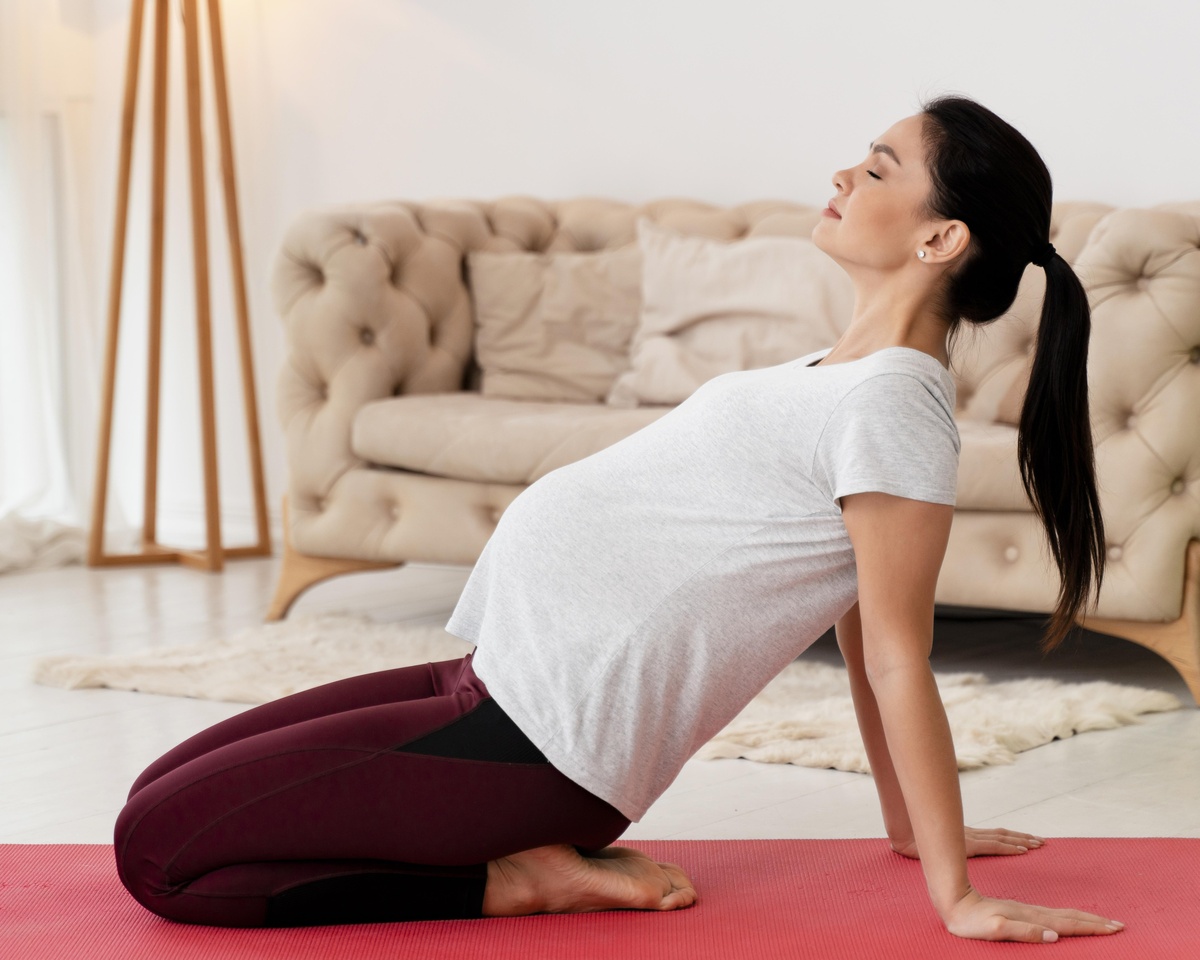
Breathing exercises during pregnancy are simple practices that use the diaphragm effectively to relax the autonomic nervous system and meet the body's increased need for oxygen. They can anchor your mind in the present, especially when anxiety rises. Inhaling deeply and slowly through your nose, then exhaling slowly through slightly parted lips, may help regulate your heart rate.
Ways to Restore Emotional Balance During the Postpartum Period
Ways to restore emotional balance during the postpartum period aim to ease mental fatigue through gradual steps that respect the mother's physical recovery. Lack of sleep, hormonal changes, and adjusting to a new routine can sometimes feel overwhelming. The American Academy of Pediatrics (AAP) emphasizes that managing maternal stress benefits not only the mother's health but also the baby's overall well-being and care. During recovery from postpartum stress, treating yourself with compassion is more important than striving for perfection.
Short Meditation Practices
Postpartum meditation for new moms means taking five to ten minutes to rest and focus during the demanding cycle of caring for a baby. You do not need a special setting; simply focusing on your breath while breastfeeding or resting can help clear your mind. You can also play white noise and soothing sounds in the Yuppo app to reduce environmental stimulation and make these brief moments a more effective mental break.
Renewal Through Body Awareness
Renewal through body awareness means accepting the changes in your body with compassion after birth and gradually working back toward your previous flexibility. Postpartum mental health is strengthened by listening to your body's needs. Without comparing yourself with other mothers, even gentle stretches within the limits of your energy that day can ease tension. This sense of well-being also strongly supports the principle of keeping stress to a minimum among ways to increase breast milk supply.
Common Yoga and Meditation Mistakes for New Mothers
Common mistakes in yoga and meditation for new mothers usually involve pushing the body before it has had enough rest and expecting to return to previous physical performance right away. Every body has its own recovery timeline. Rushing can cause physical injuries and create unnecessary guilt.
Common Mistake | Possible Result | Safe, Compassionate Approach |
|---|---|---|
Continuing to move despite pain | Muscle and joint injuries | Accept your limits; stop the pose and rest as soon as you feel pain or discomfort. |
Starting abdominal exercises immediately after birth | Increased risk of abdominal muscle separation (diastasis recti) | Be sure to avoid movements that strain your core until you have your doctor's approval. |
Trying to completely empty the mind | Feeling anxious because you think you cannot meditate | Let thoughts come and go; the goal is not to silence your mind but to observe your breath. |
The situations in the table above are reminders that you may need to give yourself a little more time and understanding.
Summary and Next Steps
Start gradually: Begin stretching during pregnancy and after birth slowly, at your own pace, while listening to your body.
Take regular breaks: Give your nervous system a chance to settle with short, 5–10-minute meditation breaks during the day.
Get professional guidance: Always get approval from a specialist before beginning specialized prenatal yoga or pelvic floor exercises.
Take a compassionate approach: Embrace your changing body and mood without judgment. Focus on consistent well-being rather than a perfect practice.
When Should You Call a Doctor?
If you experience any of the following symptoms during yoga or any physical activity while pregnant or after birth, stop exercising immediately and contact a health professional:
Vaginal bleeding or an unexpected gush of fluid (possible water breaking).
Regular contractions or cramps that do not stop with rest or a change in position.
Dizziness, blurred vision, shortness of breath, or severe chest pain.
Sudden swelling, redness, or severe pain in the legs.
Signs of postpartum depression, including intense hopelessness lasting more than two weeks, difficulty bonding with your baby, or feeling too exhausted to manage daily tasks.
This content is for informational purposes only. Always consult your pediatrician or obstetrician-gynecologist for diagnosis and treatment.
As you work to protect your physical and emotional health while caring for your baby, quickly finding accurate information is one of the best ways to ease your mental load. Whenever you feel anxious or have questions, you can ask Po, Yuppo's AI-powered expert-reviewed chatbot, and receive science-based answers within seconds through the Yuppo app.
This gives you access to reliable information day or night, helping you feel reassured and receive compassionate guidance throughout your parenting journey, from breastfeeding routines to sleep tracking.
Frequently Asked Questions
When can I start yoga after giving birth?
After birth, the timeline for starting yoga may range from 4–6 weeks after a vaginal birth to 8–10 weeks after a cesarean birth, depending on your doctor's approval. Every woman's recovery is different, so you should decide when to resume physical activity together with your doctor.
Is prenatal yoga safe for my baby?
Prenatal yoga does not harm the baby when you have no medical restrictions and choose safe poses with expert guidance. It may also support relaxation by improving blood flow in the pelvic area. However, avoid movements that compress or place pressure on the abdomen.
Can meditation lower the risk of postpartum depression?
Meditation may support lower postpartum depression risk by helping manage stress and build emotional resilience. During a time of strong emotional changes, breathing practices can help mothers step back from negative thought cycles more easily. Meditation is not a substitute for professional care when symptoms are present.
What should I know before doing yoga at home during pregnancy?
When practicing yoga at home, avoid pushing your body, use a nonslip mat, and stay away from inversions that could affect your balance. Because joint laxity increases during pregnancy, choose movements that support your balance safely rather than poses requiring extreme stretching.
How many minutes of meditation can help reduce stress?
Regular meditation for 5–15 minutes a day is often enough to help calm the nervous system and reduce stress. Consistency matters more than duration. Even a brief period set aside at the start of the day or before bed can support mental recovery.
Can pelvic floor exercises help with stress management?
Pelvic floor exercises can support stress management by increasing physical confidence and promoting mental relaxation when synchronized with breathing. Consciously tightening and relaxing the pelvic muscles can provide a useful focus for releasing tension from the body.
References

Dr. Çiğdem İrem İleri
Developmental Psychologist
After graduating from Koç University in 2019 with a double major in Psychology and Media and Visual Arts, alongside track programs in Design, Gender Studies, and Media and Management, Çiğdem İrem İleri began her integrated doctoral studies in Developmental Psychology at the same institution that same year.

Sleep
Learn 6 month sleep regression signs, likely duration, and practical ways to respond. Navigate your baby's changing sleep with Yuppo.

Sleep
Discover when sleep regressions strike and what to do at each stage, from 4 months to 2 years. Track your baby's sleep milestones with Yuppo.

Sleep
Learn why sleep regression strikes around 20 months and what you can do to help your toddler rest again. Track your toddler's sleep patterns with Yuppo.