18-Month Sleep Regression: Signs and Practical Steps for Calmer Toddler Sleep

This article is approved by Yuppo Lab Sleep Expert
Published: 14 October, 2026
Updated: 17 October, 2026

At a Glance
The 18 month sleep regression is a common parent description for a noticeable change in bedtime, nighttime sleep, or naps around this age.
Common signs include bedtime resistance, repeated night waking, calling for you, and suddenly refusing a familiar nap.
Toddlers ages 1 to 2 generally need 11 to 14 hours of total sleep per 24 hours, including naps.
Growing independence, separation anxiety, and changing sleep timing can overlap, so the pattern across several days matters most.
The 18 month sleep regression is common shorthand for a period when your toddler’s familiar sleep pattern becomes harder around this age. It is not a formal diagnosis or a milestone that begins on one exact date. If your toddler suddenly protests bedtime, refuses a nap, or wakes crying for you, the change can feel confusing and exhausting. You will learn how to assess the likely causes, review sleep needs, and make practical adjustments without changing everything at once.
You can also browse the sleep section for guidance on routines, sleep timing, and common childhood sleep changes.


What is the 18-month sleep regression?
The 18-month sleep regression describes a changed sleep pattern while you consider developmental, emotional, and schedule-related contributors. It may involve bedtime, nighttime sleep, naps, or more than one sleep period.
What the term means and does not mean
A sleep regression is a popular parent framework for sleep that has become noticeably harder after a more settled period. One difficult night is less informative than a repeated change from your toddler’s recent pattern.
The changes you might notice include:
Protesting when you leave at bedtime
Calling or crying for you overnight
Taking longer to settle
Refusing a previously accepted nap
If you are comparing infant sleep stages, the 4-month sleep regression and 8-month sleep regression guides explain how those earlier patterns differ. For broader developmental context, the baby growth spurts overview can help you separate growth-related questions from sleep changes.
Why sleep may shift around 18 months
Sleep may become harder around 18 months as your toddler’s independence and awareness of your location become more noticeable. Wirral Community Health and Care NHS Foundation Trust notes that children ages 1 to 2 increasingly want to do things for themselves.
The Centers for Disease Control and Prevention (CDC) includes moving away while checking that a caregiver remains nearby among its 18-month milestones. Bedtime may bring both impulses together: wanting control while still seeking reassurance.
How growing independence and separation anxiety can influence sleep
Growing independence and separation anxiety can make familiar limits harder for your toddler to accept. According to the American Academy of Pediatrics (AAP), separation anxiety commonly peaks between 10 and 18 months before fading during the latter half of the second year.
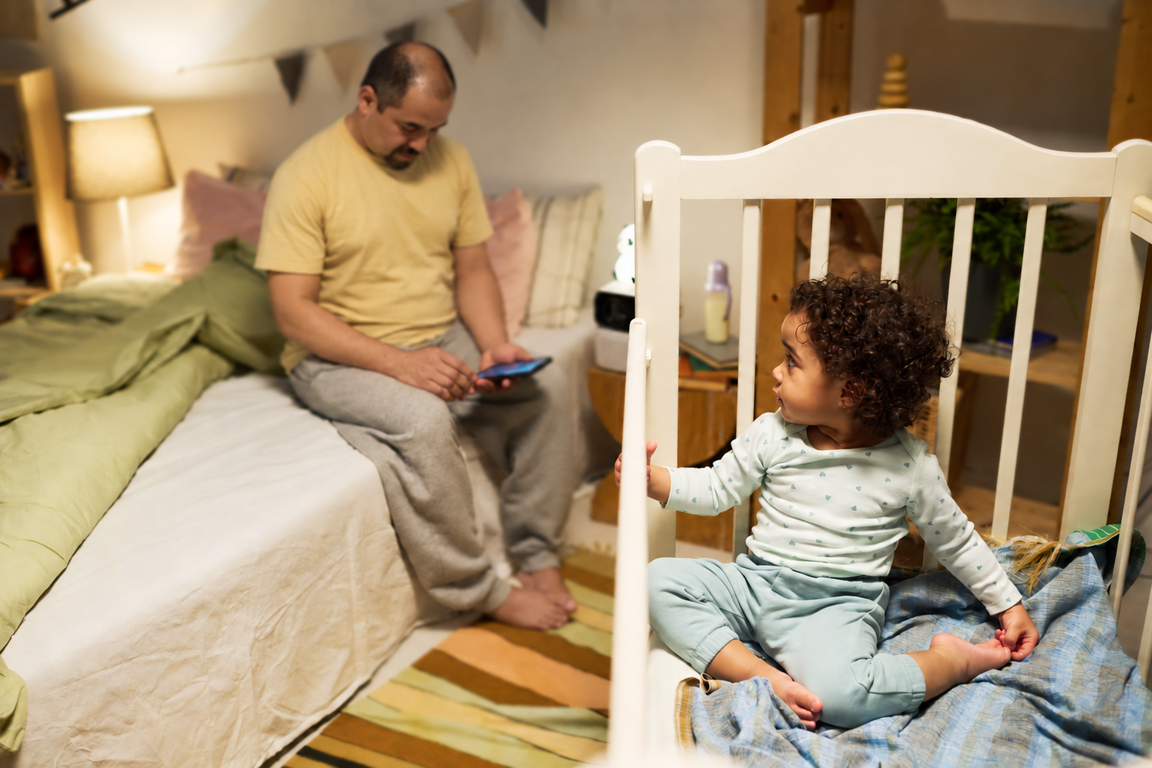
For example, your toddler may have settled calmly last week but now stand in the crib and call whenever you approach the door. That behavior can reflect increased awareness of separation rather than a lost ability to sleep.

What are the signs of the 18-month sleep regression, and how long does it last?
Common signs of the 18-month sleep regression include noticeable changes in settling, night waking, or naps. While every child’s timeline is different, it usually lasts about six weeks. You might find it helpful to simply note what has changed and watch for signs that things are gradually settling down.
Bedtime and settling signs
Bedtime signs often include stalling, standing in the crib, crying when you leave, or requesting more reassurance than before. National Health Service (NHS) guidance identifies bedtime resistance as a common toddler sleep difficulty.
Night waking signs
Night waking during an 18 month sleep regression may involve repeated calls or crying for you after your toddler previously woke less often. The AAP notes that separation-related sleep disruption can involve waking several times and crying anxiously for a caregiver.
Nap and daytime signs
Nap changes may include refusing the usual nap, protesting when you leave, or settling later than expected. An 18 month old refusing a nap may still show daytime sleepiness, so refusal alone does not establish readiness to stop napping.
Useful details to record include:
When you offered the nap
Whether sleep occurred
When the bedtime routine began
Your toddler’s daytime mood and alertness
Typical onset and duration ranges
While commonly described as a sleep regression, this phase doesn't follow a strict timeline or an exact finish line. Rather than watching the calendar, it helps to focus on the overall direction of improvement. What gets called an 18 month old sleep regression may resolve quickly for some toddlers or fluctuate alongside routine changes and new developmental milestones.
Keep in mind that this pattern is different from sleep disruption caused by separation anxiety, which the AAP states that this separation-specific stage can last several months, although its intensity may vary.
How much sleep does an 18-month-old need?
Toddlers ages 1 to 2 generally need 11 to 14 hours of total sleep per 24 hours, including naps. Treat that range as a reference rather than a daily score.
Total sleep across 24 hours
Total sleep includes nighttime sleep and daytime naps together. Somerset NHS Foundation Trust recommends 11 to 14 hours for toddlers ages 1 to 2.
Review the full day before focusing only on overnight sleep:
Morning wake time
Nap timing and actual sleep
Bedtime and settling time
Nighttime waking periods
Nighttime sleep and nap distribution
Around 18 months, many toddlers take one daytime nap, according to National Health Service (NHS). The balance between nap and nighttime sleep varies, so consider total sleep alongside mood and alertness.
One-nap timing and awake periods
One-nap timing can influence your toddler’s sleep pressure and circadian rhythm. If resistance repeatedly follows a later-than-usual nap, timing may be contributing; if your toddler becomes very tearful after an unusually long awake period, overtiredness may also be involved.
For example, a toddler who chats and plays in the crib for 45 minutes after a late nap may need a timing review rather than a completely new bedtime routine.

Is it a sleep regression, separation anxiety, or a schedule mismatch?
A broader regression pattern affects several parts of sleep, while separation anxiety centers on your departure and schedule mismatch follows timing changes. These factors can overlap.
Clues pointing to a broader developmental sleep disruption
A broader developmental disruption becomes more plausible when bedtime, naps, and overnight sleep change during the same general period. You may also notice stronger independence outside sleep.
Clues pointing mainly to separation anxiety
Separation anxiety is a stronger clue when protest begins as you leave or your toddler repeatedly calls specifically for you. This pattern fits the increased caregiver checking described in the CDC’s 18-month milestones.
Clues pointing to overtiredness, undertiredness, or schedule mismatch
A schedule mismatch becomes more plausible when resistance repeatedly follows changed wake, nap, or bedtime timing. National Health Service (NHS) toddler sleep guidance notes that excessive daytime sleep can affect nighttime sleep.
Use these questions to compare patterns without treating one clue as a diagnosis:
Clue | 18-month sleep regression | Separation anxiety | Schedule mismatch |
|---|---|---|---|
Bedtime protest | Did other sleep periods change? | Does it begin when you leave? | Did sleep timing shift? |
Night waking | Is waking newly more frequent? | Does your toddler call for you? | Did daytime sleep change? |
Nap refusal | Is bedtime also harder? | Does protest follow separation? | Was the nap offered unusually early or late? |
Daytime behavior | Has behavior changed with sleep? | Does your toddler check you are nearby? | Does sleepiness follow altered timing? |
The most useful explanation is the one that fits a recurring pattern across the day. If a sleep association seems involved, this gentle guide to baby sleep associations explains how familiar settling cues can shape bedtime expectations.
What can you do during the 18-month sleep regression?
You can support your toddler by keeping sleep timing steady, using predictable bedtime steps, and responding calmly without dropping the nap abruptly. Change one manageable factor at a time.
Keep the daily schedule age-appropriate
A consistent bedtime and morning wake time can make your toddler’s pattern easier to interpret. Somerset NHS Foundation Trust recommends keeping these times consistent, including on weekends.
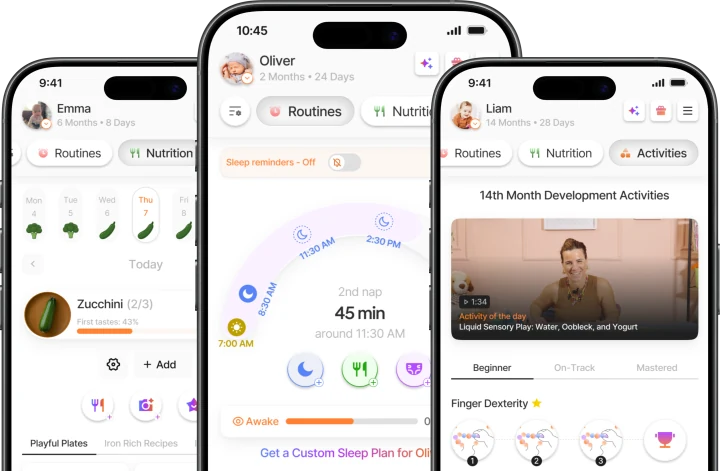
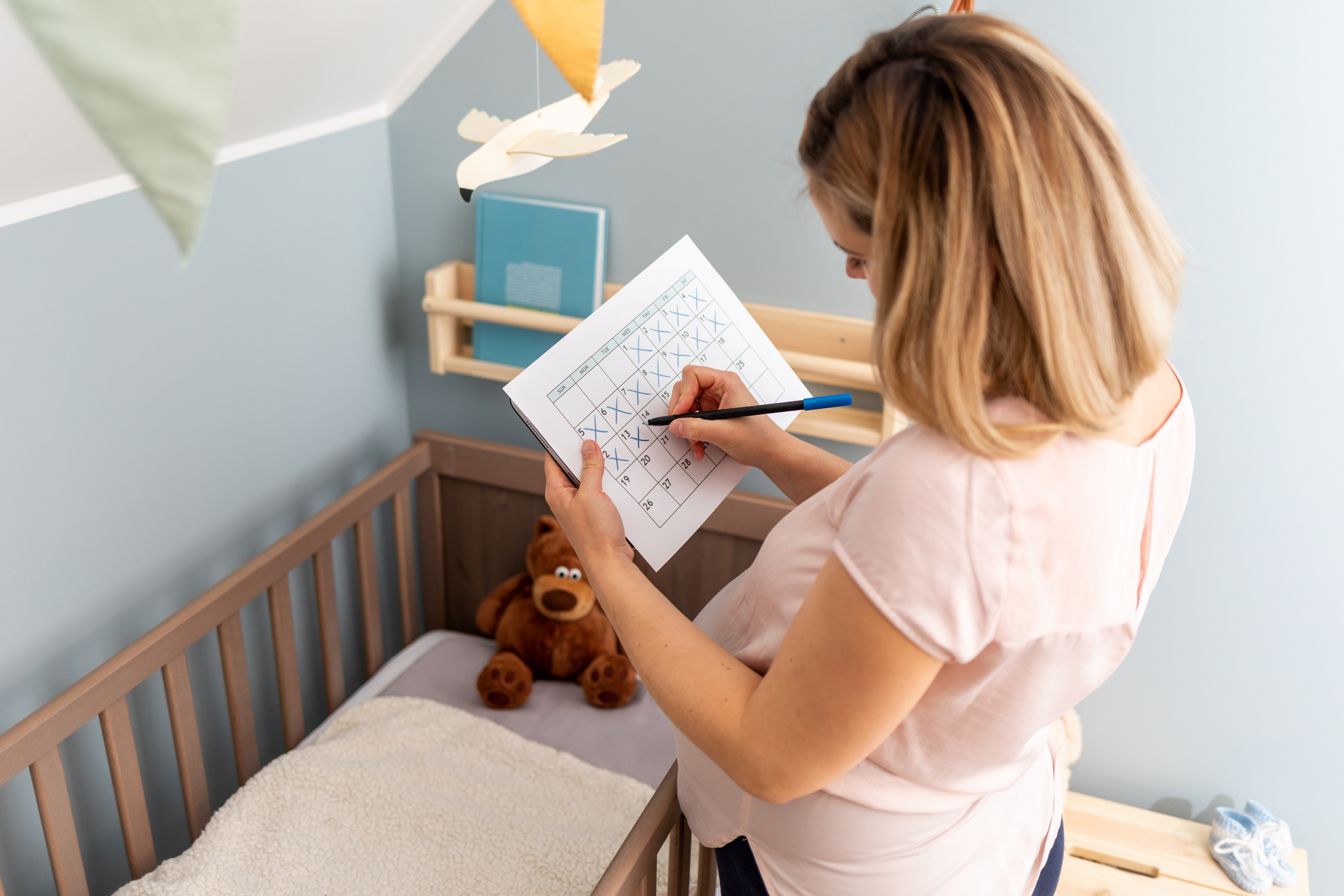
Record wake time, the nap offer, actual sleep, bedtime, and waking periods before making another adjustment. In Yuppo, you can track your toddler’s sleep and review the logged pattern in one place.
Use a predictable bedtime routine
A predictable bedtime routine gives your toddler familiar signals that sleep is approaching. The AAP recommends a calming sequence of steps, such as brushing teeth, sharing a book, and going to bed.
Respond consistently to night waking
Consistent night-waking responses can reassure your toddler without creating a different routine after each call. Keep your voice calm and your response familiar; the AAP notes that negative reactions can worsen sleep difficulties.
Handle nap refusal without dropping the nap too quickly
Temporary nap refusal does not necessarily mean your toddler has finished napping. Continue offering a quiet midday sleep opportunity while reviewing whether its timing still suits the day.
A toddler who refuses the midday nap for several days but falls asleep during a late-afternoon car ride is still showing daytime sleepiness. That observation supports preserving the nap opportunity while adjusting timing.
Know when persistent sleep changes need professional guidance
Persistent sleep changes that affect daytime functioning deserve discussion with your pediatrician. The AAP recommends discussing ongoing sleep habits and problems during pediatric care.
Ask for guidance when:
Daytime sleepiness or behavior changes regularly interfere with play or meals.
Bedtime resistance or repeated waking continues despite a steady routine.
Your toddler’s waking repeatedly appears connected with ongoing discomfort.

Summary and Next Steps
The 18-month sleep regression becomes easier to assess when you consider timing, separation cues, total sleep, and daytime behavior together.
Look for a pattern: Compare bedtime, naps, and night waking rather than judging one difficult evening.
Check total sleep: Use 11 to 14 hours for ages 1 to 2 as a flexible 24-hour reference.
Review likely triggers: Notice whether protest follows your departure, a shifted nap, or a changed morning wake time.
Try this this week: Keep the same basic bedtime sequence while recording sleep timing and daytime alertness.
Plan your next step: Discuss persistent disruption or meaningful daytime changes with your pediatrician.
This content is for information only; always consult your pediatrician for diagnosis and treatment.
Tracking naps, bedtime resistance, and developmental changes is difficult when tired days blur together. In Yuppo, you can enter your child’s birth date to follow expert-prepared developmental steps week by week and receive age-based activity and content suggestions.
Frequently Asked Questions
How long does the 18-month sleep regression last?
While the 18-month sleep regression has no fixed timeline, covering a variety of developmental shifts rather than a single condition, it typically lasts around six weeks. Sleep may settle relatively quickly for some toddlers or fluctuate longer as routines and behaviors evolve. Disruptions tied to separation anxiety can persist for several months, but this should be viewed separately from the broader regression.
Can separation anxiety cause an 18-month sleep regression?
Separation anxiety can contribute to bedtime protests, repeated requests for you, and crying during nighttime waking. Your toddler’s greater awareness of your absence may make leaving the room especially difficult. Offering calm, consistent reassurance helps your toddler feel secure without accidentally creating new sleep habits that are hard to undo.
Why is my 18-month-old suddenly refusing naps?
Your 18-month-old may refuse naps because of growing independence, separation anxiety, changed nap timing, or temporary disruption to the daily schedule. Continue looking at daytime alertness and total sleep. Nap refusal by itself does not necessarily mean your toddler is ready to eliminate the remaining nap.
Should I stop naps during the 18-month sleep regression?
You usually do not need to stop naps solely because your toddler temporarily resists one. Many toddlers around 18 months still take one daytime nap. Keep offering a calm nap opportunity while checking whether the timing allows enough sleep pressure to build before bedtime.
Why does my 18-month-old wake crying at night?
Your 18-month-old may wake crying because of separation anxiety, disrupted routines, overtiredness, undertiredness, or discomfort. Note when waking occurs, whether your toddler calls specifically for you, and how the nap went. If your 18-month-old is not sleeping through the night, the full daily pattern offers the clearest clues.
Can the 18-month sleep regression start early or late?
The 18-month sleep regression can appear somewhat earlier or later because it is not an age-locked developmental milestone. Independence, separation awareness, and sleep-schedule changes do not emerge on the same day for all toddlers. Focus on your toddler’s recent pattern rather than the exact date on the calendar.
References

Yuppo Lab
Sleep Expert

Sleep
Learn 6 month sleep regression signs, likely duration, and practical ways to respond. Navigate your baby's changing sleep with Yuppo.

Sleep
Discover when sleep regressions strike and what to do at each stage, from 4 months to 2 years. Track your baby's sleep milestones with Yuppo.

Sleep
Learn why sleep regression strikes around 20 months and what you can do to help your toddler rest again. Track your toddler's sleep patterns with Yuppo.