Baby Teething Pain Relief: Safe Ways to Soothe Your Baby

This article is approved by Yuppo Lab Pediatrician
Published: 12 August, 2026
Updated: 12 August, 2026
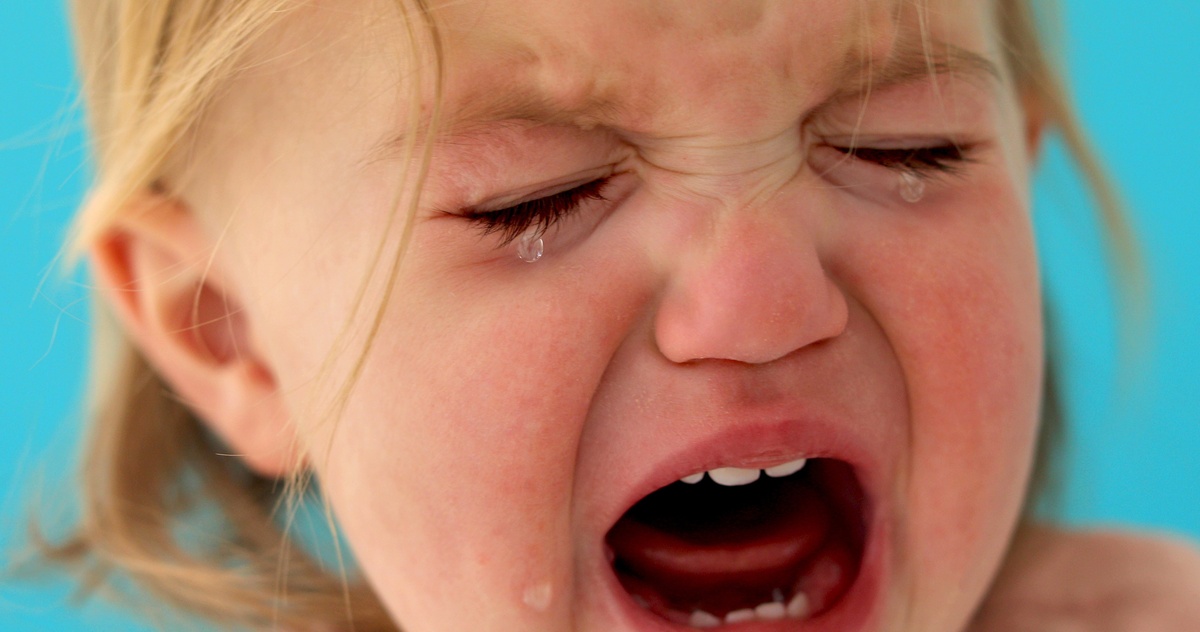
At a Glance
Although most babies’ first teeth begin to appear between 4 and 7 months on average, the timing varies from baby to baby.
For baby teething pain relief, gentle gum massage with a clean finger and liquid-free silicone teethers chilled in the refrigerator are the safest options.
Increased drooling, putting hands in the mouth, mild fussiness, and disrupted sleep are normal parts of teething.
A temperature of 38°C (100.4°F) or higher should not be attributed directly to teething. Contact your doctor to check for another possible infection.
The most effective answers to the question of baby teething pain relief include cold compresses, safe teethers, and a parent’s gentle gum massage. Teething is an important developmental step as children grow, but the tenderness it brings can be challenging for babies and sleep-deprived parents alike. Fussiness that gets worse at night may leave you feeling helpless, but it is also a sign that your baby is going through a normal, healthy stage of development. In this guide, you’ll learn step by step about safe soothing methods to try at home, feeding suggestions for this stage, and when to contact a health care professional.


What are the signs of teething in babies?
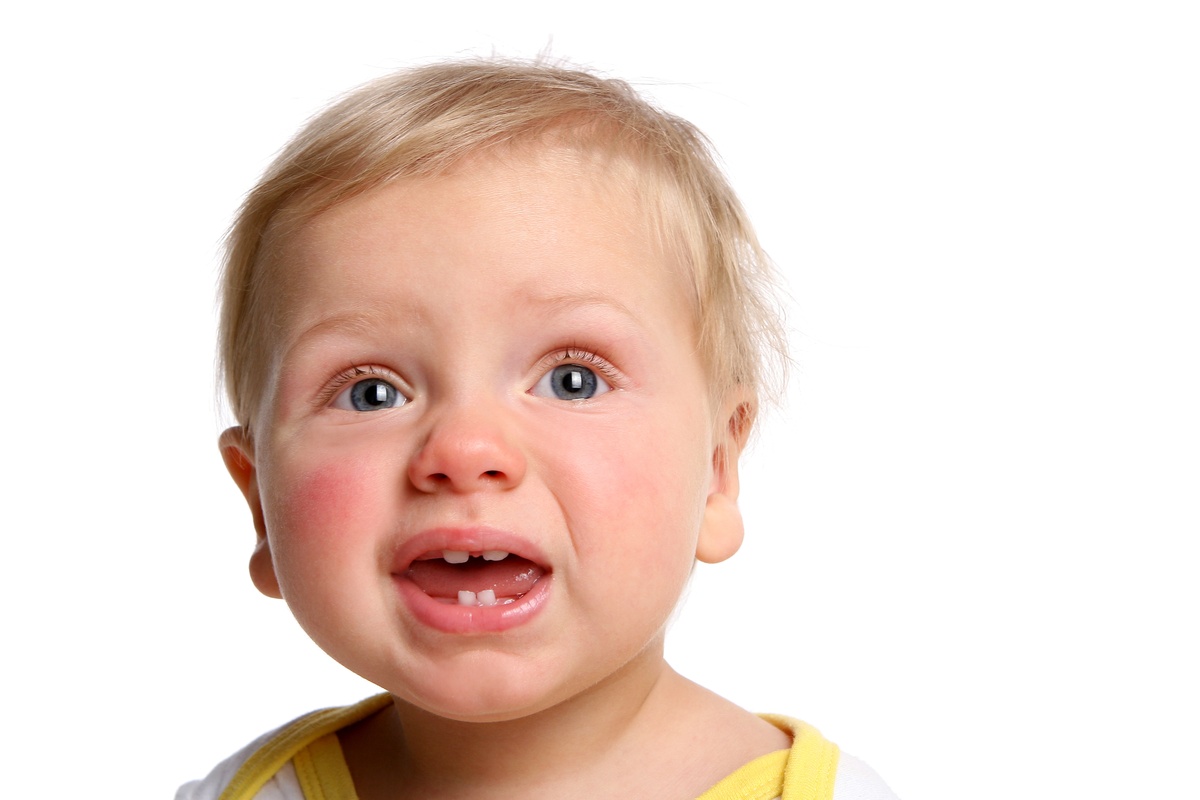
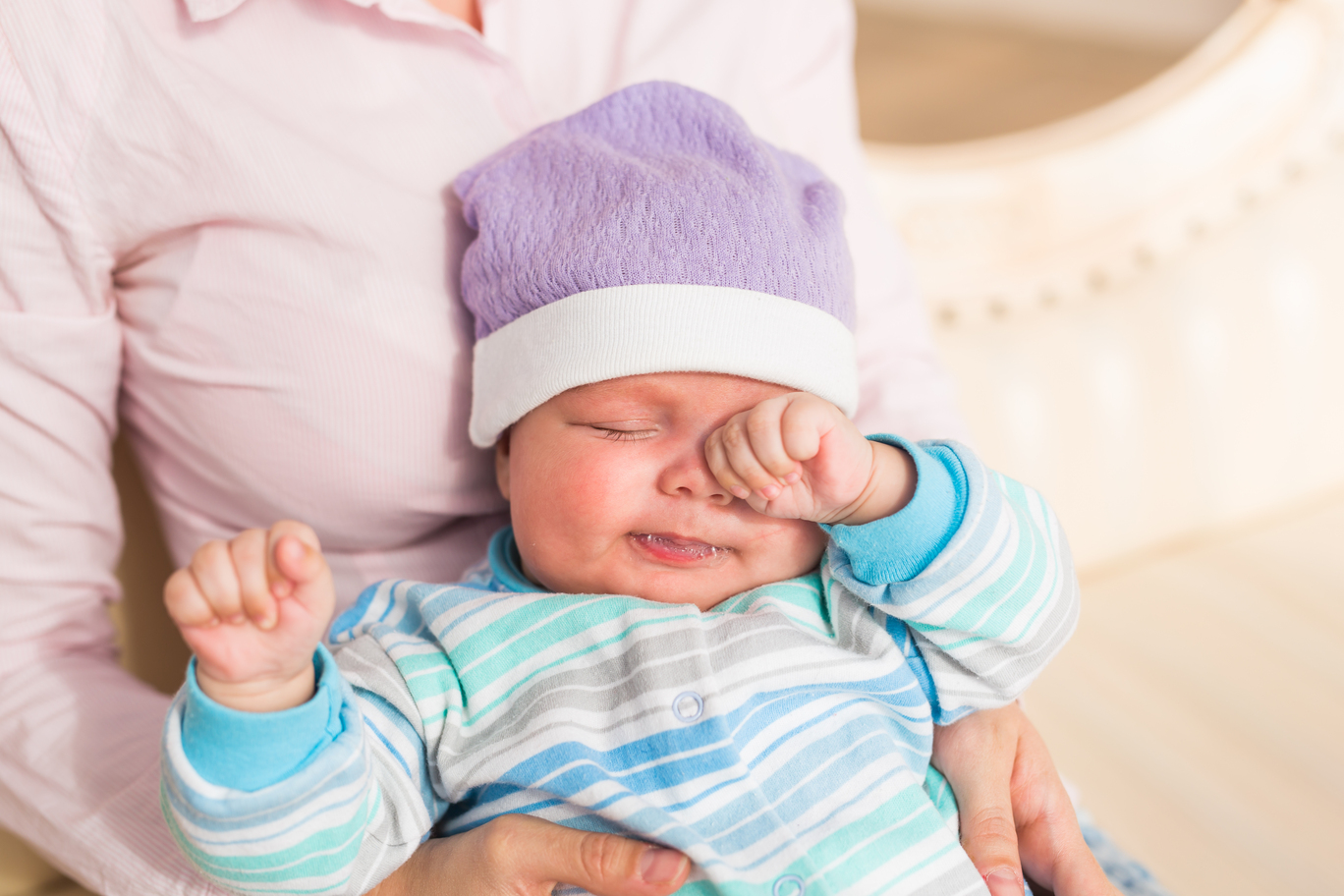
Baby teething symptoms usually include increased drooling, red or irritated gums, mild fussiness, and a constant urge to put objects in the mouth. Most babies begin to get their first teeth between 4 and 7 months on average, but genetic factors may cause teething to start earlier or later. It is completely normal for babies to respond differently physically and emotionally during this time, since every baby has their own pain threshold and response to bodily changes. If you’d like to understand this stage in a broader context, you can also read our detailed article about your baby’s teething stage .
Physical changes and increased drooling
Physical changes and increased drooling during this stage result from stimulation of the salivary glands as the tooth moves closer to the surface, along with localized gum tenderness. A noticeable increase in drool can cause mild skin irritation or a rash around your baby’s chin, neck, and chest. Mild swelling, tightness, or redness in the gum where the tooth will emerge is expected. To help prevent irritation from drooling, gently pat your baby’s skin dry with a soft cotton cloth instead of rubbing it. The American Academy of Pediatrics (AAP) notes that a very slight increase in body temperature may be normal during teething, but a fever above 38°C (100.4°F) should be considered a possible sign of another infection.
Fussiness and disrupted sleep
Fussiness and disrupted sleep happen because the throbbing sensation in the gums affects your baby’s comfort and makes it harder to move smoothly through their usual sleep cycles. During the day, babies may forget the discomfort while interacting with their surroundings and playing. In the quiet of night, they may feel the aching in their gums more intensely. This can lead to frequent waking overnight. By entering your baby’s wake-up time in the Yuppo app, you can see personalized nap and bedtime recommendations recalculated for your baby’s age and usual sleep habits, then gently rebuild a disrupted routine with flexibility. When a baby is uncomfortable from teething, it is completely natural for them to want to be held more than usual. Your comfort is one of the best ways to soothe them.
Baby teething pain relief: what helps?
The most effective at-home approaches for baby teething pain relief are gentle pressure to soothe the gums and the use of cool materials. When researching how to soothe a teething baby, you’ll find that the safest options are simple methods that do not create a swallowing or choking hazard.

Gum massage and a cold compress
Gum massage and a cold compress can ease localized pain by combining gentle pressure from a clean finger with the numbing effect of coolness. After washing your hands thoroughly with soap, use your index finger to apply light pressure and small circular motions to your baby’s gums. This pressure temporarily balances the tension caused by the tooth pushing outward. You can also chill a clean, damp cotton cloth in the refrigerator—not the freezer—for a while and offer it to your baby to chew. The cool temperature constricts blood vessels, which may help reduce swelling and throbbing in the area.
Choosing safe teething toys and teethers
Choosing safe teething toys means looking for firm silicone products with a textured surface that contain no liquid, do not pose a breakage risk, and can be chilled in the refrigerator. Popular options include BPA-free silicone rings and unpainted natural wooden teethers. Teethers filled with liquid or gel can be punctured when bitten, causing leaks and a possible swallowing hazard. Chill teethers in the refrigerator rather than freezing them. Ice-cold, hard surfaces can stick to and injure a baby’s sensitive gums or lips.
Teething baby feeding: what should you offer?
Teething baby feeding should generally include soft foods such as chilled purées, yogurt, or breast milk so as not to strain your baby’s tender mouth. If your baby is older than 6 months and has started solids, foods such as slightly chilled apple or carrot purée may be a helpful option for soothing the gums. If you are breastfeeding, it is normal for your baby to want to nurse more often or, conversely, to refuse the breast during this stage. Sucking puts pressure on the gums, which may soothe some babies but trigger discomfort in others. If you notice breast refusal , remember that it is usually temporary and try different breastfeeding positions. Temporary loss of appetite is common. You can support a baby who refuses solid foods by offering breast milk, formula, or meals with more fluids.
Common mistakes when treating teething pain
Common mistakes when treating teething pain include using teething gels without medical approval in the hope of stopping the pain quickly and putting necklaces on a baby despite the safety risk. The World Health Organization (WHO) and similar health authorities do not recommend over-the-counter anesthetic teething gels for children under 2 because of the risk of swallowing them and affecting protective reflexes in the airway. These gels are quickly washed away by saliva and can move into the throat, potentially affecting a baby’s swallowing reflex.
Amber necklaces have become popular in recent years, but they are not considered safe because they can wrap around a baby’s neck or create a choking hazard if beads break off and are swallowed. If your baby’s pain does not improve with massage and a cold compress at home, ask your doctor about the appropriate dose of acetaminophen for your baby’s age or, for babies 6 months and older, ibuprofen. This is much safer than relying on unverified alternative methods.
When to call the doctor for teething symptoms
Knowing when to call the doctor for teething symptoms depends on whether your baby’s signs go beyond typical teething discomfort and become warning signs of an infection or illness. During this stage, when the immune system is also encountering new antigens, other illnesses can sometimes be mistaken for teething. Contact your doctor if you notice any of the following:
High fever: A temperature of 38°C (100.4°F) or higher is not considered a typical teething symptom, so another underlying infection should be evaluated.
Severe diarrhea or vomiting: Swallowing extra saliva may cause slightly softer stools, but frequent watery diarrhea or repeated vomiting requires medical advice.
Inconsolable crying: Contact your doctor if your baby cries intensely for hours without settling, even when held, breastfed, or given a massage.
Refusal of food and fluids: Your baby refuses fluids for a prolonged period and, as a result, has fewer wet diapers than usual during the day.
This content is for informational purposes only. Always consult your child’s doctor for diagnosis and treatment.
During challenging stages such as teething, tracking changes in your baby’s routines and getting the right guidance can make parenting feel more manageable. Yuppo lets you record your baby’s feeding routine, the solids they have tried, and their responses day by day. You can then receive age-appropriate suggestions for cool, soft meals from a recipe library created by nutrition experts. You can also ask Po, the app’s AI-powered chat companion, your questions about care and development and get immediate access to science-based information reviewed by experts.
Frequently Asked Questions
When do babies usually get their first tooth?
Most babies get their first tooth between 4 and 7 months on average, but genetic factors mean it may appear earlier for some babies or not until around 12 months. Every baby has their own developmental pace and biological timetable.
Are teething gels safe for babies?
Teething gels are not considered safe for babies. Because local anesthetics can be swallowed and may numb protective throat reflexes, official health organizations do not recommend using these products in children under 2 years of age.
Can teething cause a fever?
Teething may cause only a very slight increase in body temperature. A temperature of 38°C (100.4°F) or higher is considered a fever and should not be attributed directly to teething. It may point instead to another infection occurring at the same time.
Do amber necklaces really relieve teething pain?
There is no scientific evidence that amber necklaces relieve teething pain. Experts do not recommend them for babies because the beads can be swallowed or the necklace can wrap around the baby’s neck, creating serious choking and strangulation hazards.
How long does teething-related loss of appetite last?
A teething baby’s reduced appetite usually lasts for a few days, when the tooth is breaking through the gum and tenderness is strongest. As the acute soreness in the mouth eases, feeding generally returns gradually to its usual pattern.
How can I ease my baby’s teething pain at night?
To ease teething pain at night, hold your baby and offer skin-to-skin comfort, gently massage the gums with a clean finger, and ask your doctor about an age-appropriate pain reliever if the pain is severe. Follow the dosing guidance your doctor provides.
References
National Health Service. (2022). Tips for helping your teething baby. NHS. https://www.nhs.uk/conditions/baby/babys-development/teething/tips-for-helping-your-teething-baby/
National Health Service. (2022). Baby teething symptoms. NHS. https://www.nhs.uk/conditions/baby/babys-development/teething/baby-teething-symptoms/

Yuppo Lab
Pediatrician

Sleep
Learn 6 month sleep regression signs, likely duration, and practical ways to respond. Navigate your baby's changing sleep with Yuppo.
Sleep
Discover when sleep regressions strike and what to do at each stage, from 4 months to 2 years. Track your baby's sleep milestones with Yuppo.

Sleep
Learn why sleep regression strikes around 20 months and what you can do to help your toddler rest again. Track your toddler's sleep patterns with Yuppo.