Baby Teething Symptoms: What Parents Should Know

This article is approved by Yuppo Lab Pediatrician
Published: 11 August, 2026
Updated: 11 August, 2026

At a Glance
A baby’s first tooth usually begins to appear between 6 and 10 months.
A slight rise in body temperature (up to 38°C (100.4°F)) may occur during this period, but a high fever is not caused by teething.
Chilled teethers and gum massage with a clean finger are among the safest ways to ease teething discomfort.
Experts do not recommend amber necklaces or topical teething gels used without a doctor’s advice because of choking and other health risks.
Baby teething symptoms usually begin around the middle of the first year and may include fussiness and increased drooling. Sleepless nights and a slight temperature rise while waiting for the first tooth can naturally leave any parent feeling tired or concerned. In this guide for parents whose babies are going through this sensitive period, you’ll learn how teething generally progresses, safe ways to comfort your baby, and when to contact your doctor.


What Are the Most Common Baby Teething Symptoms?
The most common signs that a baby may be teething include increased drooling, mild fussiness, swollen gums, and a tendency to put their hands in their mouth. Every baby experiences the process differently: some babies get their first tooth with hardly any noticeable signs, while others have a more difficult time. According to the American Academy of Pediatrics (AAP), teething does not cause a true fever; a temperature of 38°C (100.4°F) or higher usually points to another illness or infection.
Fussiness and Changes in Sleep
Pressure and mild soreness in the gums can cause changes in a baby’s sleep schedule and general daytime fussiness. Babies may wake more often at night or have trouble falling asleep for naps, especially when a tooth is close to the surface. During this temporary phase, plenty of cuddling, skin-to-skin contact, and flexible versions of familiar soothing routines may make it a little easier to settle.
More Drooling and Less Interest in Food
As babies prepare to teethe, increased saliva production can lead to more drooling, while gum sensitivity may cause mild loss of appetite, especially when sucking or chewing. Excess drool can cause mild redness or irritation around the chin and neck. Gently wiping the area often with a soft, dry cloth helps protect the skin. Babies who breastfeed or bottle-feed may experience temporary breast or bottle refusal because the suction during feeding can increase pressure on sore gums.
Baby Teeth Eruption Chart and Timing
When do babies start teething? The process usually begins with the two lower front teeth, and the first teeth are expected to appear between 6 and 10 months. The upper front teeth generally follow. Teething continues intermittently until about 2½ to 3 years, when all 20 primary teeth have usually come in.
Tooth Type | Average Eruption Time |
|---|---|
Lower Front Teeth | 6–10 months |
Upper Front Teeth | 8–12 months |
Upper and Lower Lateral Incisors | 9–16 months |
First Molars | 13–19 months |
Canines | 16–23 months |
Second Molars | 23–33 months |
This chart shows general averages, not a strict rule. If your baby’s first tooth appears after 10 months, it may simply reflect their individual biological development.
Baby Teething Pain Relief: What Helps?
Safe ways to comfort a teething baby include applying a cool compress to the gums, offering safe teethers, and gently massaging the gums with a clean finger. Your baby may want to put everything in their mouth because chewing helps relieve gum pressure. Always choose options that are age-appropriate, cannot break apart, and do not pose a choking hazard.

Cooling and Massage Techniques
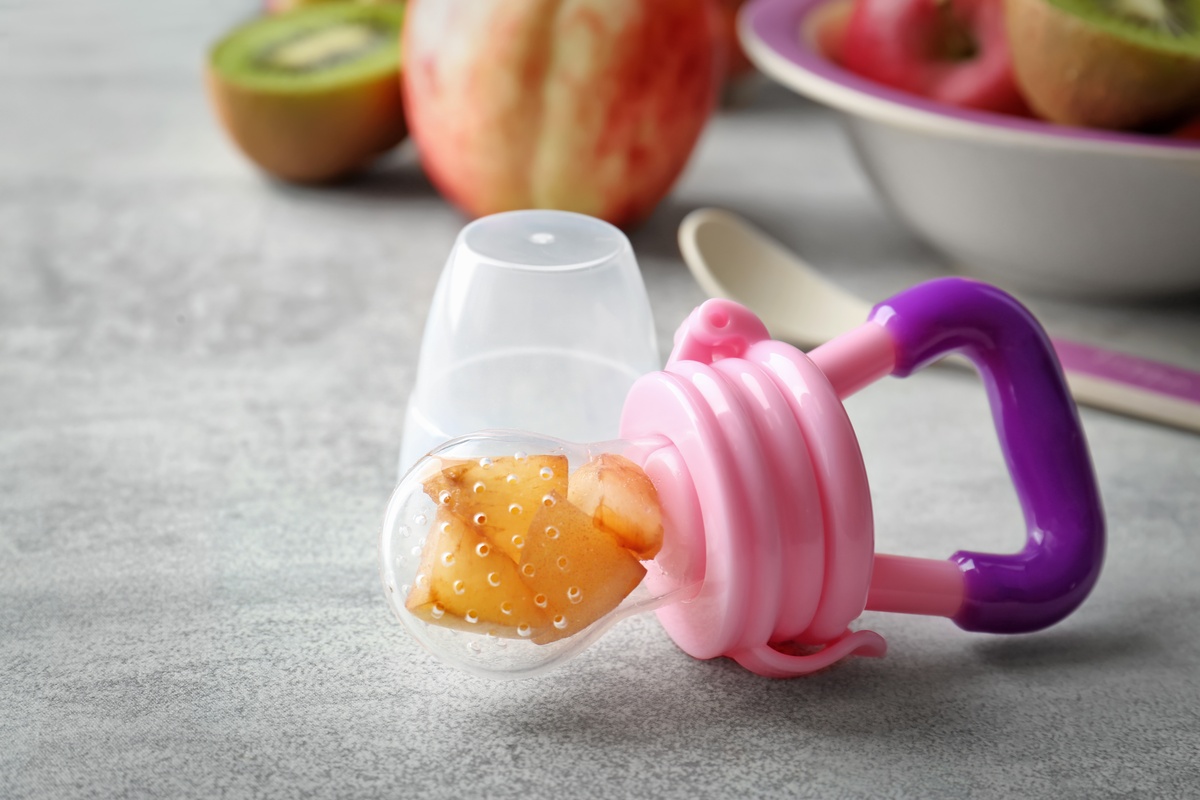
A gentle circular massage with a clean finger or a teether cooled in the refrigerator can significantly ease soreness and sensitivity. Do not freeze teethers; keep them in the refrigerator instead. Extremely cold, hard objects can stick to sensitive gums and damage tissue. If you do not have a teether, you can cool a clean, slightly damp cotton cloth in the refrigerator and offer it for your baby to chew, always under supervision.
You can record your baby’s health and small temperature changes day by day in the routines module of the Yuppo app. The same section also includes expert-reviewed videos and information cards about health and care.
Changes to Feeding
For babies older than 6 months who have started solids, chilled fruit purées or firm vegetables such as refrigerated cucumber may help soothe sore gums. If your baby refuses warm or solid foods, try offering purées and soups lukewarm or at room temperature. Nursing parents can briefly massage their baby’s gums with a finger before feeding to make starting to suck more comfortable.
Common Teething Mistakes
Amber necklaces and over-the-counter topical teething gels are often used to comfort babies, but pediatricians do not recommend them because they carry serious safety risks. The American Academy of Pediatrics (AAP) clearly states that necklaces or bracelets worn around babies’ necks can cause strangulation, while broken pieces can be swallowed.
Teething gels containing benzocaine or lidocaine can cause rare but serious side effects when swallowed, including effects on the oxygen level in a baby’s blood. Do not use them without a doctor’s approval. For difficult days, your doctor may recommend ibuprofen or acetaminophen at an age- and weight-appropriate dose for babies older than 6 months. Always use these medicines according to your doctor’s instructions.
Summary and Next Steps
Recognize the signs: Fussiness, increased drooling, and mild loss of appetite are common parts of teething. Stay flexible around sleep and offer plenty of affection.
Manage discomfort: Offer a teether cooled in the refrigerator or massage your baby’s gums with a clean finger.
Choose safe steps: Avoid amber necklaces and numbing teething gels unless your doctor recommends them.
Monitor temperature: Teething should not cause a true fever. If you measure 38°C (100.4°F) or higher, watch for signs of another illness.
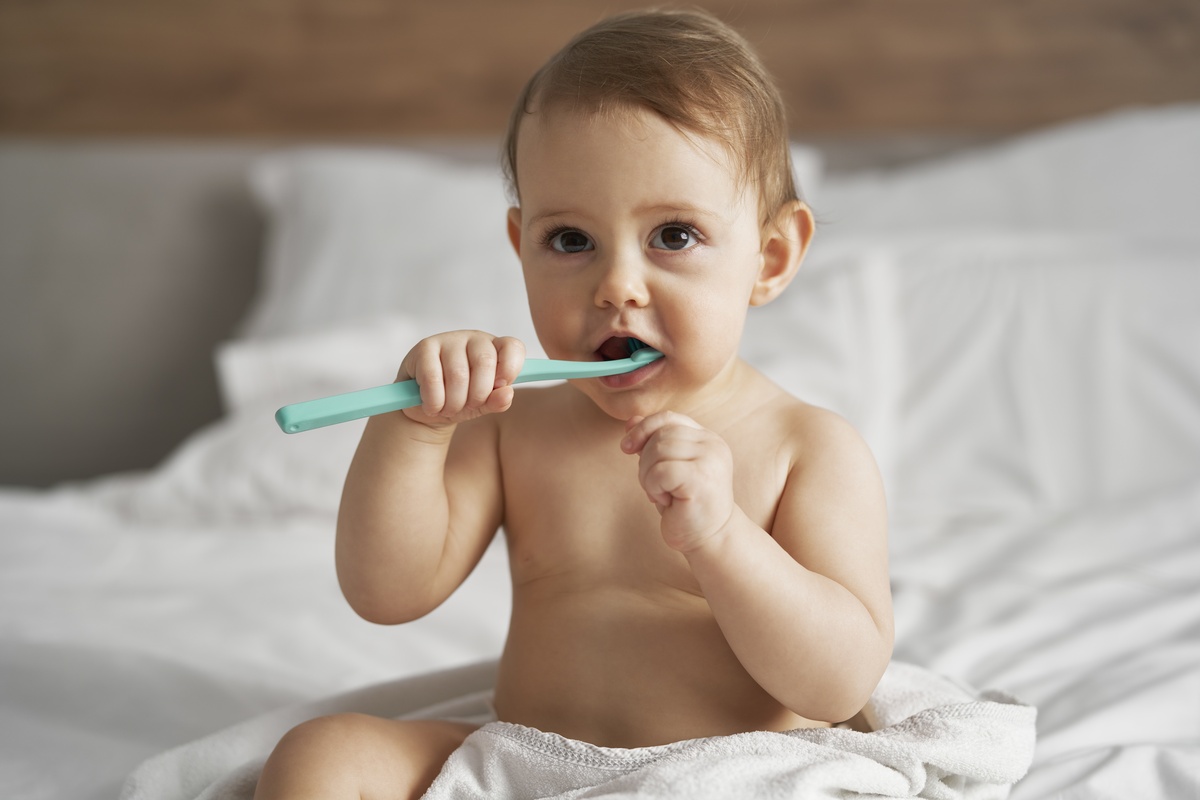
Start early dental care: As soon as the first tooth appears, begin gentle cleaning with a baby finger toothbrush.
When to Call a Doctor for Teething
Teething can usually be managed at home with supportive care, but you should contact your child’s doctor if you notice any of the following:
Your baby has a temperature of 38°C (100.4°F) or higher. This may be caused by an illness or infection rather than teething.
Your baby cries much more intensely than usual for hours and cannot be soothed with any of the methods you try.
Your baby refuses feeds for several days and has a noticeable decrease in wet diapers, with fewer than 4–5 per day.
You notice severe diarrhea, vomiting, or a rash that spreads over the body. Increased drooling may make stools slightly looser, but profuse watery diarrhea is not a teething symptom.
This content is for informational purposes only. Always consult your child’s pediatrician for diagnosis and treatment.
During these challenging days, you may want activities that help redirect your baby’s attention and give you quality time together. In the Yuppo app’s activity module, you can analyze your child’s current developmental level and access game plans matched to their skills using simple materials from home, turning fussy moments into more enjoyable breaks.
Frequently Asked Questions
When do babies start teething?
A baby’s first tooth usually appears between 6 and 10 months. However, every baby’s biological development is unique, so the first tooth may appear as early as 4 months or not until after 12 months.
What temperature is considered a teething fever?
Teething does not cause a true fever. If your baby’s temperature is 38°C (100.4°F) or higher, the cause may be an illness or infection rather than teething, and you should contact your child’s doctor for guidance.
Can teething cause diarrhea or diaper rash?
Teething does not directly cause severe diarrhea or a body-wide rash. Swallowing more saliva may make stools slightly looser, which can sometimes contribute to mild diaper-area redness. Profuse watery diarrhea is a separate concern that should be discussed with a doctor.
How do I choose a safe teether for my baby?
Choose a teether made from paint-free, BPA-free medical-grade silicone or untreated natural wood. Single-piece teethers without liquid filling are safer than products that may puncture or leak, reducing the risk of choking.
When should I start brushing my baby’s teeth?
Start dental care as soon as the first tooth breaks through the gum. Gently clean it with a clean finger brush or a soft-bristled toothbrush designed for babies. Early cleaning helps prevent cavities from developing.
References
National Health Service. (2022). Tips for helping your teething baby. NHS. https://www.nhs.uk/conditions/baby/babys-development/teething/tips-for-helping-your-teething-baby/
National Health Service. (2022). Baby teething symptoms. NHS. https://www.nhs.uk/conditions/baby/babys-development/teething/baby-teething-symptoms/

Yuppo Lab
Pediatrician