Lactation Recipes: Easy Foods for Breastfeeding

This article is approved by Yuppo Lab Lactation Expert
Published: 19 August, 2026
Updated: 19 August, 2026
At a Glance
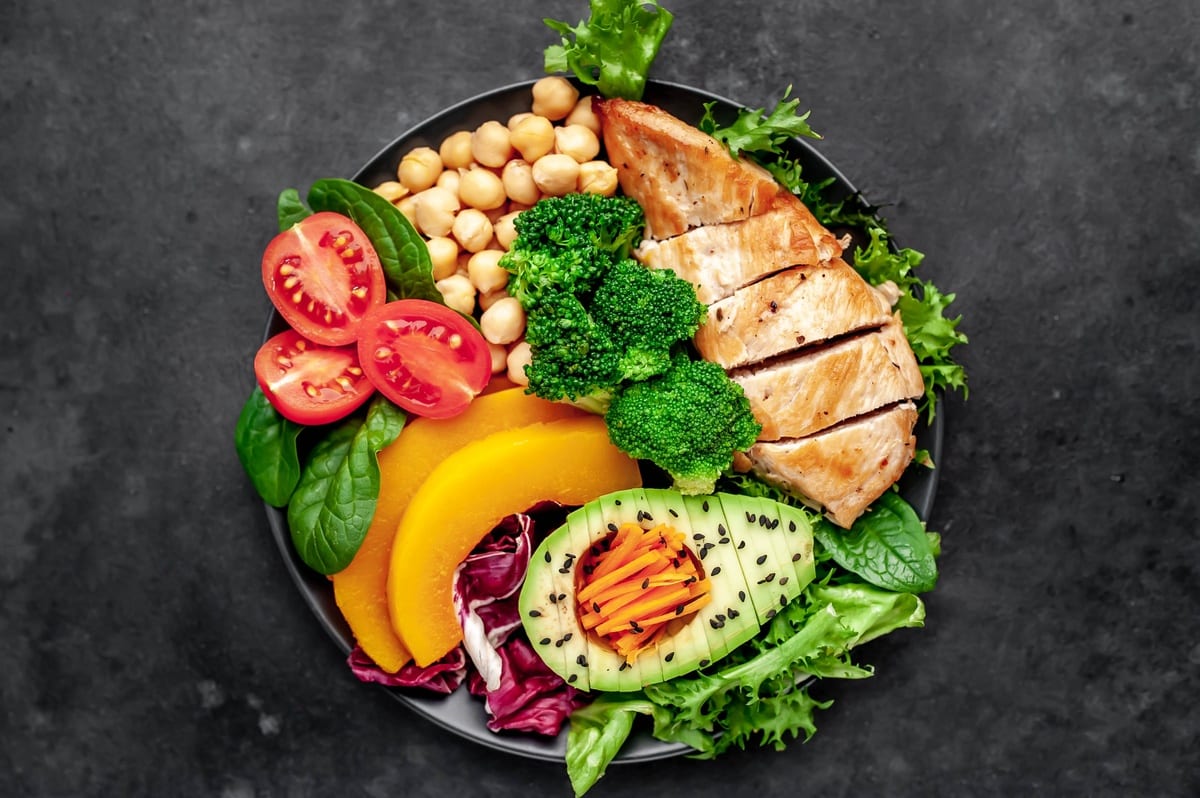
Calorie needs: During breastfeeding, your body needs an average of 300 to 500 extra calories a day to produce milk.
Fluid intake: Since more than 80 percent of breast milk is water, breastfeeding parents are generally advised to drink about 2.5 to 3 liters of fluids a day.
Natural supports: Foods such as oats and dill may naturally stimulate hormones that support milk production.
Tracking and observation: After about day 5, one of the most reliable signs that your baby is getting enough milk is usually 5 to 6 heavy, wet diapers a day.
Feeding your baby is an intense physical and emotional journey that can also be tiring. It is completely understandable to worry about whether you are making enough milk. Lactation recipes and thoughtful food choices can help you maintain your energy and naturally support your body's milk-making process. Created for new parents coping with sleeplessness, this article brings together scientific information on supporting lactation, practical recipes, and nutrition considerations for breastfeeding.


What Foods May Increase Breast Milk Supply, and How Do They Work?
Foods that may help increase breast milk supply are generally natural foods called galactagogues, which support lactation by stimulating hormones involved in milk production. Each time you breastfeed, your body creates a supply-and-demand cycle based on your baby's needs. This cycle is directly supported by the foods and fluids you consume. Oats, leafy greens, and various seeds have been used in many cultures for centuries with the aim of positively affecting milk production.
World Health Organization (WHO) and UNICEF recommend exclusive breastfeeding for the first 6 months of life, while also encouraging mothers to pay attention to their own nutrition during this time. Foods that support lactation are not a magic wand, but when they are part of a balanced diet, they provide a tired body with the building blocks it needs. You can add small portions of these foods to meals to help restore energy, especially after nighttime feedings.
The Role of Galactagogue Foods
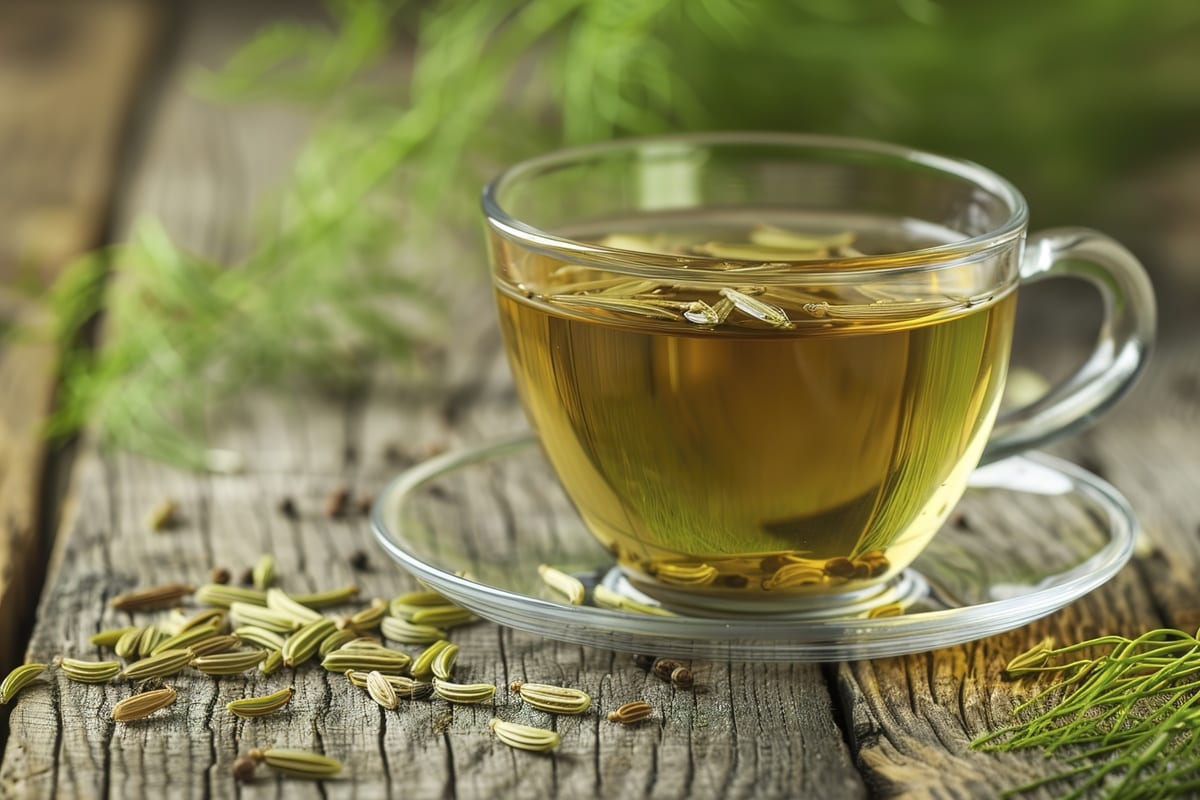
Galactagogue foods may naturally stimulate milk production in the body and support breastfeeding effectiveness to a moderate degree. The hormones prolactin, which starts milk production, and oxytocin, which helps milk flow through the ducts, are affected by stress levels and eating patterns. Foods such as dill, fenugreek, and oats contain phytoestrogens and minerals that may support the balanced function of these hormones. Since every parent's metabolism can respond differently, it is not realistic to expect one food to have the same effect for everyone. The goal is to include different galactagogues in your daily routine in ways that suit your tastes.
Hydration and Milk Supply
The connection between hydration and milk supply is often discussed because breast milk is about 87 percent water. Not getting enough fluids can quickly lower your energy and make breastfeeding physically harder. Experts generally recommend that breastfeeding parents consume about 2.5 to 3 liters of fluids a day. Water is not the only option; beverages that support milk production can also make it easier to reach this fluid goal. By recording your breastfeeding sessions in Yuppo, you can track how long you nursed from each breast and use the counters in the nutrition module to balance your fluid-intake routine with your breastfeeding sessions.

Easy, Nourishing Lactation Recipes
Recipes to increase milk supply can include easy, energizing foods with oats, greens, and legumes. When baby care takes up your whole day, spending hours in the kitchen usually is not realistic. That is why, when choosing lactation recipes, it helps to look for options that require little preparation and can be held in one hand or eaten quickly. Getting enough calories from nutritious sources is a basic part of breastfeeding nutrition. Below are recipes you can prepare easily during a busy day.
Oat and Dried Fruit Energy Bar Recipe
This oat and dried fruit energy bar recipe is a very practical snack made by mixing ingredients such as oats, walnuts, and dried figs without cooking. Feeling suddenly hungry while breastfeeding or rocking your baby in the middle of the night is completely normal.
1 cup rolled oats
½ tea glass crushed walnuts or almonds
3 to 4 finely chopped dried figs and dates
2 tablespoons tahini and a little cinnamon
Knead all the ingredients until sticky, shape them on parchment paper, and refrigerate them so you can enjoy them for several days. Oats help balance blood sugar because they are high in fiber, while dried fruit provides a quick source of energy. Snacks like these are popular among the ways to increase breast milk supply.
Dill and Lentil Lactation Soup
Dill and lentil lactation soup combines plant-based protein and iron sources in a warm, filling option for breastfeeding nutrition. When a parent has iron deficiency, the cells' ability to carry oxygen decreases, which may increase the likelihood of slower milk production.
1 cup green lentils
1 medium carrot
½ bunch fresh dill
1 teaspoon cumin
4 to 5 cups hot water or vegetable broth
1 tablespoon olive oil and a pinch of salt
Boil the lentils, drain them, and place them in a pot. Add the diced carrot, cumin, olive oil, and hot water, then cook until the vegetables are tender. Stir in plenty of finely chopped fresh dill just before removing the pot from the heat. Dill is considered one of the strongest natural supports for lactation.
Common Eating Habits That May Affect Milk Production
Possible reasons for a decrease in milk may include everyday eating habits such as not getting enough calories, drinking fluids inconsistently, going long periods without eating, or consuming too much caffeine. Crash diets aimed at quickly returning to a pre-pregnancy weight can significantly interfere with milk production. Breastfeeding already uses a substantial amount of energy, so your body should not be left without enough fuel.
Skipping meals or getting through the day on mostly carbohydrate-based, low-nutrient snacks can leave your body without the quality protein and healthy fats it needs to produce milk. Similarly, drinking more than 2 to 3 cups of coffee or strong tea a day may have a diuretic effect, contributing to dehydration and indirectly affecting milk volume. In some cases, breast refusal can also make you think your supply has decreased, although this may be temporary.
When Should You Talk to a Professional About Milk Supply and Baby's Growth?
Low milk supply signs and the need to see a doctor are generally identified when a baby's weight-gain pattern falls below expectations or the number of wet diapers decreases noticeably. Breasts that no longer feel as full or firm as before do not necessarily mean your supply has dropped; once your body adjusts to your baby's demand, your breasts may feel softer. If your baby is usually calm and able to fall asleep after feeding, your milk is very likely sufficient.
Babies may want to nurse more often than usual during growth spurts. This “always hungry” appearance does not need to alarm you; it can be the baby's way of signaling your body to produce more of the milk they need.
Summary and Next Steps
Meal planning: Keep portioned, healthy snacks within sight during the day so you do not skip your own meals. This week, place a bowl of walnuts and almonds on your kitchen counter.
Fluid tracking: Make it a habit to keep a full water bottle by your nursing chair or bedside.
Calorie balance: Avoid crash diets while breastfeeding. Your body needs extra fuel to feed your baby.
Natural supports: Add small touches to your lactation routine by including foods such as an extra pinch of dill in meals or salads.

When Should You Call the Doctor?
If you are concerned that your baby is not getting enough to eat, it is important to watch for specific physical signs. About 5 to 6 wet diapers a day is generally considered normal, while fewer than 3 to 4 and darker urine may indicate inadequate intake. Contact your pediatrician if you notice any of the following:
Fewer than 4 wet diapers in 24 hours or brick-colored spots in the urine.
Your baby remains persistently fussy or cries and does not settle after breastfeeding.
Your baby is unusually sleepy, cannot wake to nurse, or quickly tires after staying at the breast for only a few minutes.
Your baby's monthly or weekly weight gain falls below expectations at routine checkups.
You have signs of mastitis, such as severe breast pain, redness, fever, or chills.
This content is for informational purposes only. Always consult your pediatrician for diagnosis and treatment.
Tracking the natural rhythm of breastfeeding and recording data can make it easier to manage worries about whether your baby is getting enough. In the busyness of the day, you may have trouble remembering how many times you nursed or when you changed your baby's diaper.
Yuppo's routines module lets you record the fullness, consistency, and color of each diaper, then review expert insights the app provides based on this information. You can also keep daily feeding records and follow developmental steps created for your baby's individual pace without added stress.
Frequently Asked Questions
Does dill really increase breast milk?
Dill may support lactation naturally because of its essential oils and phytoestrogens. Adding it to salads, soups, or yogurt and eating it fresh may help you benefit from the herb's galactagogue properties. However, responses vary, and no single food is guaranteed to increase milk production for every breastfeeding parent.
Which herbal teas should I avoid while breastfeeding?
Herbal teas commonly avoided during breastfeeding include strong preparations of sage, peppermint, and senna, which may suppress milk production or cause intestinal sensitivity in some babies. Chamomile and linden tea are generally considered safer, but it is still best to limit intake to 1 to 2 cups a day.
How much water should I drink to increase milk supply?
To support milk production, fluid needs generally range from about 2.5 to 3 liters a day to replace fluid lost through breastfeeding. Rather than waiting until you feel thirsty, drinking a glass of water at the beginning and end of each nursing session may make it easier to reach this goal.
Can bulgur and legumes cause gas while breastfeeding?
Bulgur and legumes can cause gas because of the natural way their complex carbohydrates are digested. They are still nutritious foods and sources of protein and fiber. Soaking them in water for a long time before cooking and adding cumin may help reduce digestive discomfort for some people.
What should I eat to improve the quality of my breast milk?
Choose foods with healthy fats, such as olive oil, avocado, walnuts, and salmon, along with leafy green vegetables rich in iron and calcium. Although breast milk's basic composition adapts to your baby's needs, a varied, nutrient-rich diet supports your health and overall breastfeeding process.
How can I tell whether my baby is getting enough milk?
Common signs include your baby coming off the breast on their own after feeding, relaxing their hands and body, and appearing generally content. In daily life, producing enough heavy, wet diapers—usually about 5 to 6—is one of the clearest signs that your baby is receiving enough milk.
References

Yuppo Lab
Lactation Expert

Sleep
Learn 6 month sleep regression signs, likely duration, and practical ways to respond. Navigate your baby's changing sleep with Yuppo.

Sleep
Discover when sleep regressions strike and what to do at each stage, from 4 months to 2 years. Track your baby's sleep milestones with Yuppo.

Sleep
Learn why sleep regression strikes around 20 months and what you can do to help your toddler rest again. Track your toddler's sleep patterns with Yuppo.