Best Lullabies for Babies: Sleep, Bonding, and Development

This article is approved by Yuppo Lab Sleep Expert
Published: 12 August, 2026
Updated: 12 August, 2026

At a Glance
Baby lullabies can help most babies fall asleep faster by lowering cortisol, the stress hormone, through the familiar sound of a parent’s voice.
Slow lullabies averaging 60–70 beats per minute create a safe environment that makes relaxation easier because they imitate rhythms from the womb.
Babies’ language development is directly supported by the repeated rhythms and syllables in lullabies they regularly hear between 6 and 12 months.
Lullabies added to bedtime routines generally help babies older than 3–4 months distinguish night from day.
The best lullabies for babies are among the most natural ways to soothe a baby who wakes often at night or has trouble falling asleep. Your baby becoming fussy as bedtime approaches can be exhausting as a parent, and that is completely understandable. In this article, you’ll learn about lullabies’ role not only in falling asleep but also in your baby’s cognitive and emotional development, the benefits of singing, and simple practices you can add to your daily routine. Based on scientific findings about lullabies for babies to sleep, this guide will help you rediscover the calming power of your own voice.


What are the developmental benefits of singing lullabies to babies?
The developmental benefits of singing lullabies to babies generally include supporting sensory integration from birth, promoting brain development, and encouraging secure attachment between parent and baby. According to the American Academy of Pediatrics (AAP), these early interactions through a parent’s familiar voice provide an important foundation for babies’ healthy social-emotional development. Knowing that your baby is progressing along their own developmental path, and that their responses to lullabies may change from month to month or even day to day, can help you keep expectations balanced.
Reducing stress and promoting relaxation
Lullabies can reduce stress and promote relaxation because slow melodies generally lower babies’ heart rates and ease muscle tension. Research shows that when a parent sings a lullaby, levels of oxytocin, known as the bonding hormone, increase in both parent and baby, while cortisol, the stress hormone, decreases.
This biological change can make it easier for babies to settle during bouts of evening fussiness. When your own tension may be affecting your baby, quietly humming a lullaby can regulate your breathing while reassuring your baby that they are safe.
Building the foundations of language and vocabulary
Lullabies help build the foundations of language and vocabulary because their repeating structures make it easier for babies around 6 to 12 months old to distinguish sounds from syllables. Rhyming words and clear rhythms in lullabies are highly useful for helping babies learn the patterns and emphasis of their native language.
Even before babies understand the meaning of words, they store the rhythmic flow of sounds in memory, creating a strong foundation for later speech development. If you’d like to explore your baby’s progress in this area in more detail, see our parent’s guide to delayed language development in children .
How does singing lullabies strengthen the parent-baby bond?
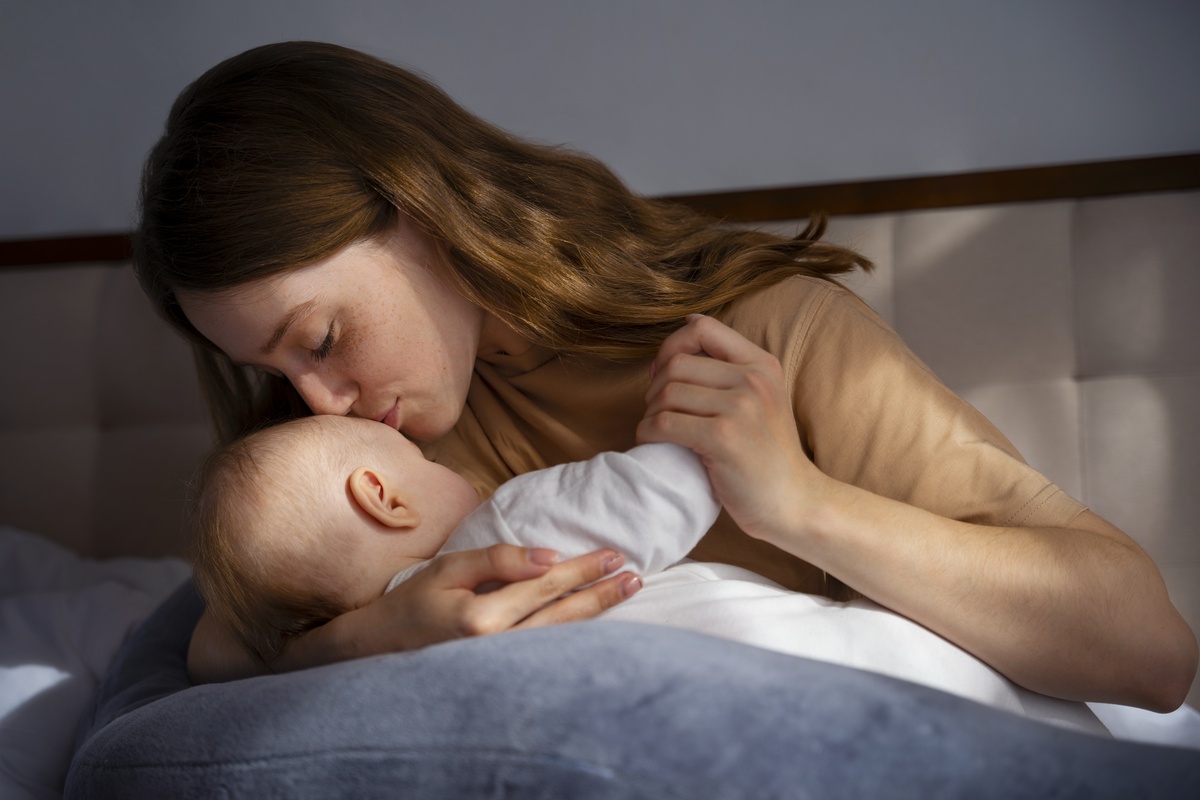
Singing lullabies strengthens the bond between parent and baby because mutual eye contact, physical closeness, and a familiar tone of voice generally deepen a sense of security. When you hold your baby, rock them rhythmically, and hum, you are doing more than playing a song—you are also helping them experience the world as a safe and dependable place.
When you are carrying the day’s fatigue, singing can become a restful pause rather than another task. Smiling and responding to your baby’s small sounds during these moments can support emotional connection.
Eye contact: Looking at your baby’s face while singing takes your communication beyond words.
Physical contact: Gentle touches and skin-to-skin contact that accompany the song reinforce relaxation physically as well.
The uniqueness of your voice: To babies, the most perfect sound in the world is their own parent’s voice—even when it is off-key.
The best lullabies for babies for building a bedtime routine
The best lullabies for babies at bedtime are generally traditional melodies chosen from a parent’s own culture, with a slow tempo and repeating lyrics. Every baby has different musical preferences and a different threshold for settling. Some may grow drowsy to classics, while others may relax with a simple melody made up by a parent.
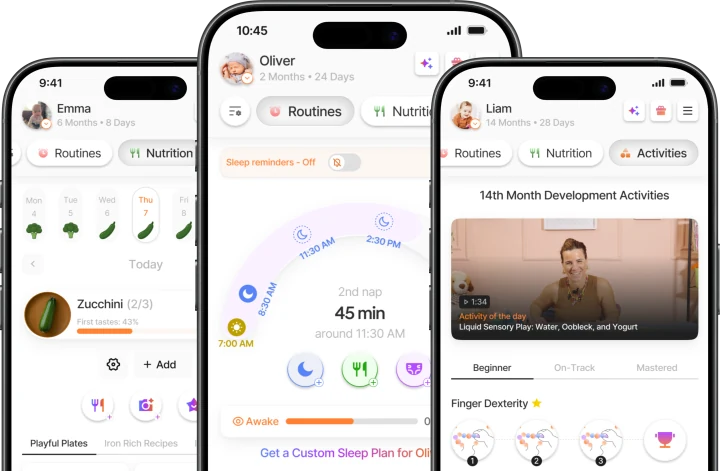
According to the World Health Organization (WHO), a consistent, low-stimulation bedtime routine is important for helping babies develop healthy sleep habits. By entering your baby’s wake-up time in Yuppo, you can see nap and nighttime sleep schedules created around their age and individual sleep habits. You can then use the plan in the app to make your bedtime routine more consistent.
Baby’s Age | Recommended Bedtime Sound Approach | Expected Average Effect |
|---|---|---|
0–3 months | Soft humming that imitates the womb and rhythmic “shushing” sounds | May ease adjustment to the outside world and reduce sudden startles. |
3–6 months | Traditional lullabies and short nursery rhymes in a soft voice | As part of the nighttime routine, signals that it is time for sleep. |
6–12 months | Songs and lullabies with the baby’s name and repeated syllables | Supports language development and provides reassurance by easing separation anxiety. |
These age-based sound cues aim to make the transition to sleep more predictable for your baby. To better understand these transitions, read our article on baby sleep schedules by month: a sleep guide based on your baby’s age.
How can you use lullabies to calm babies?
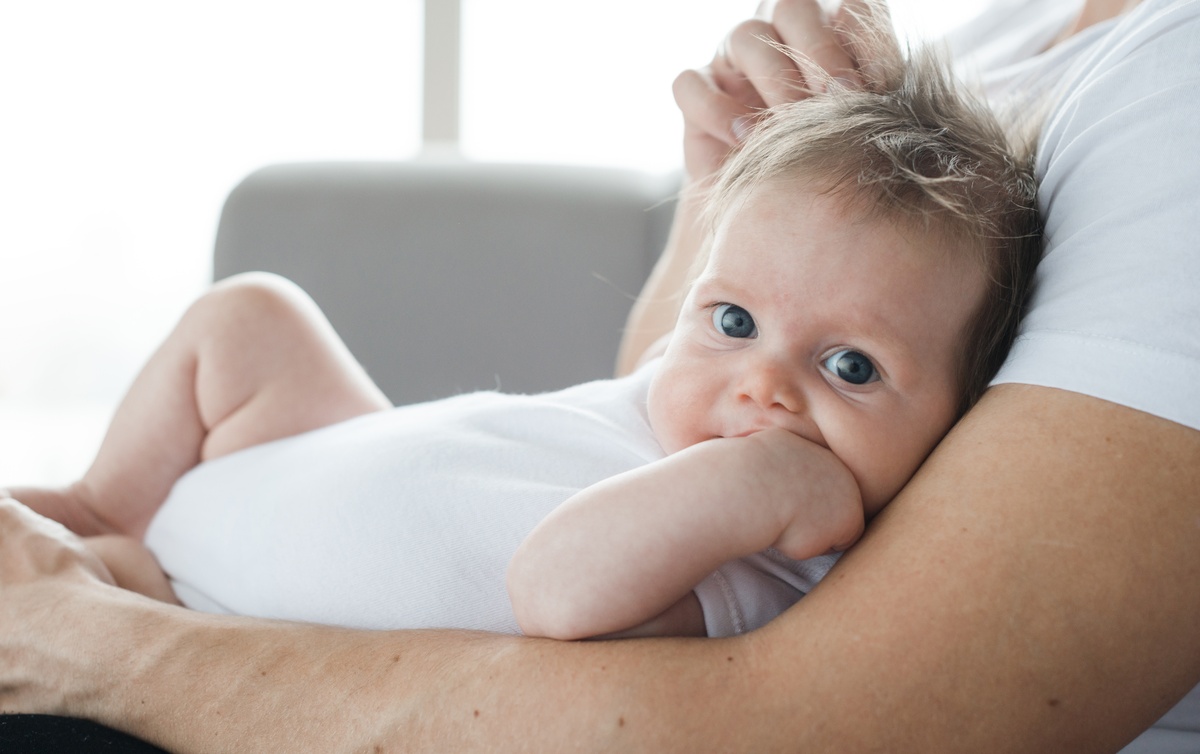
When singing lullabies to calm babies, keep your voice close to a whisper, dim the room, and gradually slow the rhythm. Singing very loudly or using an energetic rhythm when your baby is overtired may increase their level of stimulation instead of soothing them.
Starting a lullaby at a normal speaking volume, then gradually lowering your voice and rocking speed as your baby’s eyelids grow heavy, often works best. The developmental effect of lullabies is not about perfect performance; it is about how fully you can share the moment with your baby.
When should you seek help for baby sleep problems?
You should generally seek professional advice for baby sleep problems when severe difficulty falling asleep or chronic nighttime waking clearly disrupts your baby’s daytime well-being. Your baby may sometimes experience normal disruptions such as the 4-month sleep regression, or teething may temporarily affect their sleep schedule.
In situations like these, even lullabies for babies to sleep may not be enough on their own. When you feel that your limits are being stretched, seeking professional support is a natural part of your parenting journey.
Summary and Next Steps
Building connection: Singing deepens the bond of trust between parent and baby. This week, try noticing which melodies your baby responds to most positively.
Creating a routine: Bedtime lullabies make the transition to nighttime sleep easier. Try to use them at roughly the same time and in the same order each evening.
Language development: Repeated syllables support the vocabulary of babies around 6–12 months. Look into your baby’s eyes while singing to support this mental process.
Managing stress: Your voice is one of the most soothing tools for your baby. During stressful, tiring moments, take a deep breath and begin humming slowly to calm both of you.
When Should You Call the Doctor?
If you notice any of the following signs, the issue may be more than ordinary resistance to sleep:
In newborns younger than 1 month, unusually deep sleep that makes them difficult to wake or persistent sleepiness that interferes with feeding,
In babies older than 6 months, pauses in breathing lasting more than 10 seconds during sleep, which may indicate apnea, or very loud snoring,
In a baby of any age, sleep problems accompanied by an armpit temperature of 38°C (100.4°F) or higher; for babies younger than 3 months, confirm a fever with a rectal temperature and contact a doctor promptly,
Pre-bedtime crying episodes lasting more than 3 hours without interruption, with your baby unable to be soothed by any means, including holding, singing, or breastfeeding,
Persistent weakness and lack of interest in their surroundings, or lethargy, when awake.
This content is for informational purposes only. Always consult your child’s doctor for diagnosis and treatment.
Facing a different challenge every day while establishing your baby’s sleep schedule can be exhausting, but you do not have to manage the process by trial and error. In the Yuppo app, you can track your baby’s developmental milestones weekly and create personalized sleep plans based on their natural rhythm, making it easy to monitor nighttime and daytime sleep in one place.
When falling asleep is difficult and you need reliable tools to complement your voice, you can try the Yuppo app free to access its expert-approved white noise and soothing sound library. This can support not only your baby’s sleep but also their cognitive and physical skills through age-appropriate activity suggestions.
Frequently Asked Questions
What are the best lullabies for babies?
The best lullabies for babies may support cognitive development and memory, helping build a foundation for learning. Hearing regular rhythms and melodies can help babies form healthy neural connections and may contribute to language skills later on. Lullabies are most useful as part of warm, consistent interaction with a parent or caregiver.
When can I start singing to my newborn?
You can safely begin singing to your newborn in the first days after birth. Newborns are familiar with rhythmic sounds from the womb, so they may settle more easily with familiar melodies sung in a gentle voice. Your baby’s response may vary depending on their state, hunger, tiredness, or sensitivity to stimulation.
Are recorded songs as effective as singing to my baby?
Recorded music can be a soothing tool, but it may not create the same effect as singing because a parent’s live voice offers close emotional interaction. Your natural, imperfect voice is familiar and personal to your baby. Eye contact, touch, and your response to their cues also add to the calming experience.
How does a father singing lullabies affect a baby’s development?
A father’s lullaby can expose a baby to a different vocal range, enrich their auditory experience, and strengthen their bond with their father. Many babies find deeper, vibrating tones soothing and reassuring. What matters most is the warm, responsive interaction, not the singer’s musical skill or the particular song.
Why does my baby cry during lullabies?
A baby may cry during a lullaby because they are overtired, overwhelmed by stimulation, or sensitive to that sound at the moment. Try stopping the music and offering quiet skin-to-skin contact while gently rocking them. Watching your baby’s cues can help you decide whether silence, touch, or a softer voice feels better.
References
Yuppo Lab
Sleep Expert