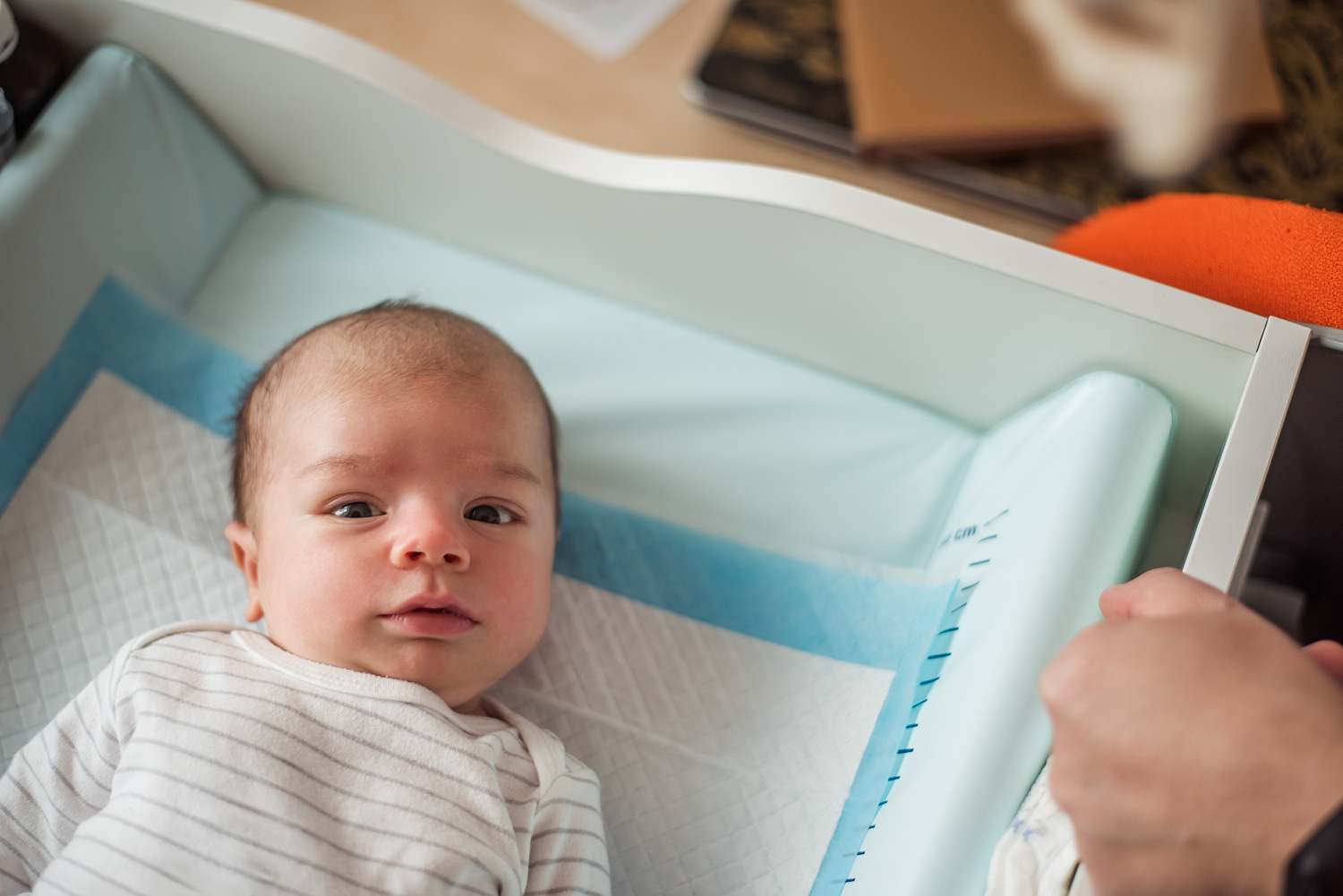
Key Takeaways
Most 1-month-old wake windows last roughly 30 to 90 minutes because newborns sleep about 16 to 18 hours per day in stretches of 1 to 2 hours.
Wake windows start around 30 to 60 minutes in weeks 1 and 2 and stretch to roughly 45 to 90 minutes by week 4.
Early sleepy cues like yawning or looking away from your face signal that the wake window is closing.
Nighttime wake windows tend to be shorter because dim, quiet feeds encourage a faster return to sleep.
Every baby finds their own rhythm; these ranges are flexible starting points, not rigid rules.
Most 1-month-olds stay awake for roughly 30 to 90 minutes before they need sleep again. A wake window is the span from eyes-open to eyes-closed, and understanding 1 month old wake windows helps you time naps before fussing sets in. If your newborn just woke from a short nap and the next stretch of wakefulness already feels uncertain, the sections below cover how wake windows shift week by week, which sleepy cues signal the close, what happens when a window runs too long or too short, and activities that fit these brief periods. For more age-specific topics, browse our sleep library anytime.

What is a wake window for a 1-month-old?
A wake window is the total time your baby stays awake between one sleep period and the next, counted from the moment they open their eyes to the moment they drift off again. At 1 month these windows are remarkably short, and most of the time is spent on basic needs rather than active play.
Why 1-month-old wake windows are so short
Your newborn has not yet developed a mature circadian rhythm, the internal clock that eventually sorts day from night. According to the American Academy of Pediatrics (AAP), babies do not develop regular sleep cycles until around 4 to 6 months of age. Because that clock is still forming, your baby cycles between sleep and wakefulness frequently, keeping each awake stretch brief.
What fills a typical wake window
Most of a newborn's wake window at 1 month goes to basics: feeding, diaper care, and a few minutes of quiet connection. A sleep routine for your 1-month-old builds naturally around this cycle.
Feed (breast or bottle), usually the longest part of the window
Diaper change
Brief face-to-face contact: talking softly, gentle touch
Watching for the first sleepy cue that says it's time to settle
For a broader look at this stage, the 1-month-old baby development guide covers feeding, reflexes, and sensory changes alongside sleep.

How long should a 1-month-old stay awake between naps?
Most 1-month-olds can stay awake for roughly 30 to 90 minutes, a range that follows naturally from their high total sleep needs. The table below shows general estimates week by week.
| Week | Approximate Wake Window | Estimated Naps per Day | Approximate Total Sleep (24 hrs) |
|---|---|---|---|
| 1 | 30–45 min | 7–8+ | 16–18 hours |
| 2 | 30–60 min | 7–8 | 16–18 hours |
| 3 | 45–75 min | 6–8 | 16–17 hours |
| 4 | 45–90 min | 6–8 | 16–17 hours |
Total daily sleep figures align with the AAP range of about 16 to 17 hours and the National Health Service (NHS) observation that some newborns sleep around 18 hours.
Weeks 1–2: roughly 30–60 minutes
During the first two weeks your baby may manage only about 30 to 45 minutes of wakefulness, sometimes stretching to 60 minutes. Much of that time goes to feeding and a diaper change. Picture a 2-week-old who feeds, gets a fresh diaper, locks eyes with you for a few quiet minutes, and starts yawning about 40 minutes after waking. That brief cycle is typical.
Weeks 3–4: roughly 45–90 minutes
By weeks 3 and 4 many babies tolerate slightly longer awake periods, generally 45 to 90 minutes. A 4-week-old might stay alert for roughly 70 minutes after a morning feed, then rub her eyes and turn away from your voice, signaling the window is closing.
Night versus daytime wake windows
Nighttime wake windows are generally shorter because you keep stimulation low. The AAP recommends staying calm and quiet during nighttime feeds, speaking softly and avoiding stimulation. Some newborns experience day-night reversal, sleeping longer stretches during the day and staying alert at night; the AAP suggests limiting nighttime interactions to feeding, burping, changing, and gentle soothing, while keeping daytime environments bright and engaging.

How do you recognize sleepy cues in a 1-month-old?
Your 1-month-old signals sleepiness through subtle body language well before full-on crying starts. The AAP notes that noticing these cues early gives you a chance to settle your baby before overtiredness sets in, and they become easier to read as you get to know each other.
Early cues: the ideal window to act
Early sleepy cues tend to appear quietly, often as a single yawn or a brief look away from your face.
Yawning
Gaze aversion (looking away from faces or objects)
Slower, less coordinated movements
A quieter, less engaged expression
After an evening feed, a 3-week-old might stay calm for only about 30 minutes before a small yawn appears; a gentle sway can bring sleep quickly because you caught the cue early. Over time, reading these signals helps shape a consistent sleep association routine that works for both of you.
Late cues: signs of overtiredness
Late cues like intense crying and back arching typically mean the wake window has already stretched past its comfortable limit.
Hard-to-settle crying
Back arching or body stiffening
Eye rubbing or ear pulling
Frantic, jerky limb movements (sometimes triggered by the Moro reflex)
If you notice these signs, your baby likely needed to be down a bit sooner. That's not a failure; it's information for next time.

What happens when the wake window is too long or too short?
A wake window that runs too long usually leads to overtiredness, while one that's too short can make it harder for your baby to settle. Both directions are guided more by your baby's signals than by a timer, and both produce recognizable patterns.
Signs of an overtired 1-month-old
An overtired 1-month-old typically shows escalating signals that cluster together:
Intense crying that resists soothing
Shorter, more restless naps
More frequent night wakings than usual
According to the NHS, common triggers for newborn crying include hunger, tiredness, and overstimulation, and these can overlap when a baby has been awake too long. Frequent waking is actually developmentally normal; the AAP explains that it allows babies to rouse when breathing is compromised. A consistently overtired baby, however, may wake even more often than expected, which can shorten naps further for a day or two.
Signs of an undertired 1-month-old
An undertired baby may seem calm when placed down but then squirm, fuss, or gaze around the room instead of drifting off. Very short naps (under about 20 minutes) that happen repeatedly can also point to a window that closed too early. If this pattern continues, try adding a few minutes of calm interaction before the next nap attempt.
Sample 1-month-old wake window schedule
A one month old sleep schedule follows a repeating feed-wake-sleep cycle rather than fixed clock times. Your actual times will shift daily, and that's expected.
A typical daytime feed-wake-sleep cycle
A typical daytime cycle for a 3- to 4-week-old repeats roughly every 2 to 3 hours. Here is a loose example:
7:00 AM Wake and feed
7:45 AM Nap (about 1.5 hours)
9:15 AM Wake and feed
10:00 AM Nap (about 1.5 to 2 hours)
12:00 PM Wake and feed
12:45 PM Nap
Cycle continues through afternoon and evening
This pattern fits the AAP observation that newborns typically sleep 1 to 2 hours at a time. For a wider view of how sleep needs change, see this baby sleep schedule by age guide.
How overnight feeds and growth spurts shift the pattern
Overnight, your baby will still feed every 2 to 3 hours, but those wake windows stay short and quiet. During a growth spurt, feeding may cluster more tightly and wake windows can temporarily shrink. Both shifts are normal and usually pass within a few days.
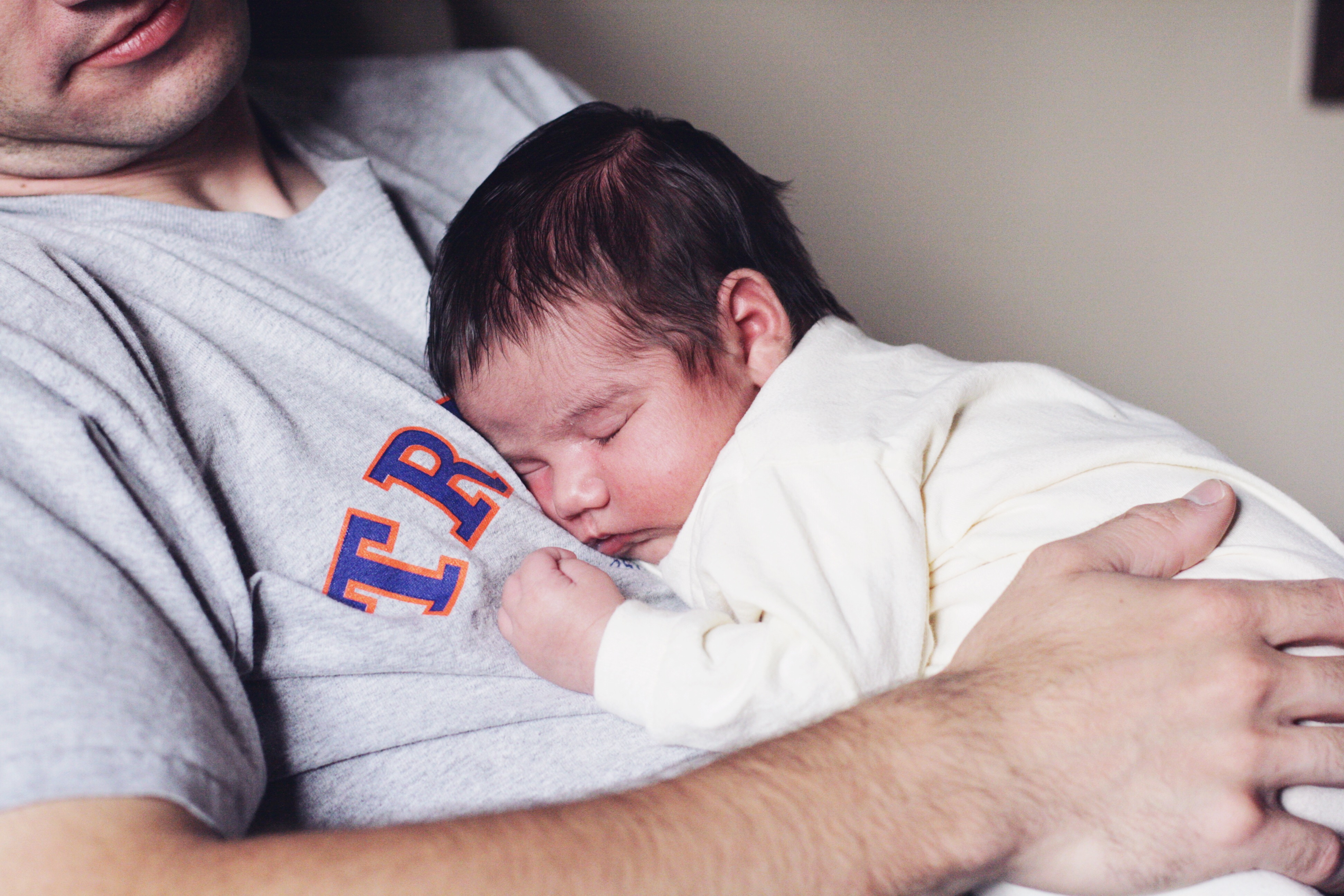
What can you do during your 1-month-old's wake window?
Feeding, face-to-face contact, and supervised tummy time are the main activities that fill a 1-month-old's brief wake window. The AAP suggests spending daytime awake time talking, reading, and playing together, which also helps your baby consolidate more sleep at night.
Feeding and face-to-face bonding
Feeding fills a large portion of each wake window at this age. Between or after feeds, hold your baby close and talk softly. The AAP emphasizes that holding your newborn and being sensitive to their signals will not spoil them; it helps them feel calm and secure.
Supervised tummy time
Supervised tummy time can begin the day your baby comes home from the hospital, following safe sleep guidelines by always placing your baby on their back for sleep. The AAP recommends starting with 3 to 5 minutes, 2 to 3 times a day, and gradually working toward 15 to 30 minutes total by about 7 weeks. Right after a diaper change or when your baby wakes from a nap is a great time to try.

Calm sensory input
Gentle rocking, skin-to-skin contact, and soft singing all support your newborn during brief awake periods. Here are a few ideas that fit within a short window:
Skin-to-skin on your chest while humming
Gentle rocking in your arms or a chair
Softly narrating what you're doing ("I'm changing your diaper now")
Non-nutritive suckling at the breast or on a hand as sleep approaches
The NHS advises opening curtains and allowing everyday noise during daytime naps while keeping nights dark and quiet, reinforcing the day-night difference over time.
If your baby is consistently very difficult to rouse for feeds, shows no interest in eating for several consecutive sessions, or appears unusually limp during awake time, contact your pediatrician.
Summary and Next Steps
Wake windows at 1 month range from about 30 to 90 minutes, starting shorter in weeks 1 and 2 and gradually stretching by week 4.
Early sleepy cues are your best timing guide: act on the first yawn or gaze shift rather than waiting for crying.
Keep nighttime interactions calm and dim to support your baby's developing circadian rhythm and shorten overnight wake windows.
Overtiredness fragments sleep further, so when in doubt, respond to your baby's signals sooner rather than later.
Start a simple sleep log this week to uncover patterns that individual days hide; even a few days of notes make a real difference.
As wake windows lengthen over the coming weeks, new sleep shifts can surface; the 3-month sleep regression guide covers what to watch for next. If your baby was born early, the AAP recommends using adjusted (corrected) age when tracking development until 2 years, so wake windows may be noticeably shorter than the ranges listed here.
This content is for information only; always consult your pediatrician for diagnosis and treatment.
Short, shifting wake windows on little sleep make it tough to remember what's working. In Yuppo, you can enter your baby's birth date and browse expert-prepared activity suggestions matched to their current week, turning each brief awake stretch into a purposeful moment.
Frequently Asked Questions
Nighttime wake windows are typically shorter because feeds happen in dim, quiet settings that encourage a quicker return to sleep. Keeping lights low and interactions minimal helps your baby begin distinguishing night from day, gradually building a more predictable one month old sleep schedule.
During the day, gently waking your baby after about 2 to 3 hours generally helps protect feeding frequency and supports longer nighttime stretches. At night, most pediatricians suggest letting a healthy, full-term newborn sleep until they wake on their own, unless your doctor has advised otherwise.
Use your baby's adjusted age when gauging wake windows. A baby born 4 weeks early, for example, may handle only about 30 to 45 minutes of awake time at 1 calendar month, similar to a newborn in their first days.
No. Pushing a newborn past their comfortable awake limit usually leads to overtiredness and more fragmented sleep, not longer stretches. Starting the nap routine at the first signs of tiredness is a more reliable path to longer nighttime periods.
A simple log of sleep times over several days often reveals patterns that aren't visible in the moment. You can use a notebook or a dedicated tracking app; consistency in recording matters more than the tool you choose.
American Academy of Pediatrics. (n.d.). Sleep. HealthyChildren.org.
American Academy of Pediatrics. (2024). Getting your baby to sleep. HealthyChildren.org.
American Academy of Pediatrics. (2013). Sleeping through the night. HealthyChildren.org.
American Academy of Pediatrics. (2009). Reversing day-night reversal. HealthyChildren.org.
National Health Service. (2025). Helping your baby to sleep. NHS.
National Health Service. (2026). Soothing a crying baby. NHS.