2yr Old Sleep Regression: Signs, Causes, and What Actually Helps

This article is approved by Yuppo Lab Sleep Expert
Published: 15 October, 2026
Updated: 15 October, 2026

At a Glance
Around age 2, many toddlers who previously slept well start resisting bedtime, waking overnight, or refusing naps in a phase parents commonly call a sleep regression around age 2.
Most 2 year olds need about 12 to 14 hours of total sleep per day including naps, and this disruption usually eases within two to six weeks.
Cognitive leaps, growing independence, and separation anxiety drive most of the bedtime battles during this phase.
A soothing bedtime routine combined with calm, firm limits is the most practical strategy for getting through it.
Around age 2, many children begin fighting sleep or waking after midnight in a pattern often called a 2yr old sleep regression. It is not a clinical diagnosis but a popular parenting framework for the cluster of sleep disruptions tied to the growth spurt near the second birthday. If your toddler was sleeping through the night and now bedtime has stretched into a nightly standoff of extra stories and water requests, you are definitely not alone. The American Academy of Pediatrics (AAP) confirms that many parents find bedtime the hardest part of the day because toddlers this age often resist going to sleep.
Below, you will learn what triggers this phase, how to tell it apart from other issues like night terrors, and which gentle strategies help your household get back on track.


What is the 2 year sleep regression?
The 2 year sleep regression is a temporary period of disrupted sleep, commonly lasting two to six weeks, when a good sleeper starts fighting bedtime, waking at night, or skipping naps. The label is not medical; parents use it to describe the changes that appear when several developmental milestones converge near the second birthday.
Most 2 year olds need about 12 to 14 hours of sleep per day including naps, according to the National Health Service (NHS). Sleep patterns change over time, the NHS adds, and growth spurts, teething, and illness can all play a role. During a regression, daily sleep often dips below that range before gradually recovering.
Several factors influence how long the disruption sticks around. Overlapping transitions like a new daycare or a sibling can extend it, while consistent responses tend to shorten it. Families who navigated the 8 month sleep regression often describe the same arc: peak chaos in weeks one and two, then a slow return to normal. If you weathered the 4 month sleep regression, the concept is the same, though at 2 your child's language and imagination make bedtime resistance more creative.
The table below offers a general guide to toddler sleep totals in the months surrounding this phase.
| Age range | Total daily sleep | Daytime nap | Wake window before bed |
|---|---|---|---|
| 18–21 months | About 12–14 h | 1 nap, typically 1.5–2 h | Roughly 4.5–5.5 h |
| 22–26 months | About 12–14 h | 1 nap, resistance may peak | Roughly 5–5.5 h |
| 27–30 months | About 12–14 h | 1 nap, some begin shortening it | Roughly 5–6 h |
Your child’s ideal schedule may fall at either end of these ranges, and that is completely normal, these numbers simply reflect broad population averages.

Why sleep regression happens around age 2
Rapid gains in language, cognition, and emotional awareness fuel the sleep disruption that many families experience near the second birthday.
Cognitive and language leaps
Language and thinking skills accelerate around age 2, with many toddlers using two- to four-word sentences and beginning make-believe play, according to the AAP. They also start sorting by shapes and colors. A brain processing this much new input can struggle to power down, and you may hear your child rehearsing new words in the crib long after lights-out.
Growing independence and limit-testing
Toddlers around age 2 show increasing independence and begin to display defiant behavior, as the AAP describes. Saying "no" to bedtime is one of the first arenas where your child tests autonomy. This is healthy development at work, even on the nights it stretches your patience.
Major life transitions: new sibling, potty training, or room changes
Big changes like a new sibling or the start of potty training amplify sleep disruption when they overlap with the second birthday. The AAP notes that two-year-olds experience increasing episodes of separation anxiety, and any shift in routine can heighten nighttime unease. When possible, space transitions out rather than stacking them while your child's circadian rhythm is already adjusting.
Common overlapping changes include:
A new sibling arriving
Starting potty training
Moving to a new room or bed

How to recognize the 2yr old sleep regression
Sudden bedtime battles, nighttime wake-ups, and nap resistance in a toddler who was sleeping well are the clearest markers of this phase.
Bedtime resistance and stalling tactics
Your toddler may start inventing reasons to delay lights-out. Classic stalling tactics include:
Requesting a third story or another song
Asking for one more sip of water
Needing an extra trip to the bathroom
A child who settled in ten minutes may now climb out three or four times, stretching the routine by 25 minutes or more.
Night wakings and calling out
Your toddler waking up at night and calling for you is a hallmark of this phase, often connected to separation anxiety. A 24-month-old might call out at 2 a.m. and fall back asleep within five minutes of brief, quiet reassurance. Knowing that short check-ins usually work helps you stay calm during middle-of-the-night wakings.
Nap refusal or shortened naps
Some toddlers begin chatting or singing through the entire nap window without sleeping. A child who reliably napped for 90 minutes after lunch may stay awake the whole time. This is typically a temporary disruption linked to the growth spurt, not a sign that the nap should be dropped.

Is it sleep regression at 2 years or something else?
Not every sleep disruption at age 2 is a regression, and identifying the real cause shapes how you respond.
Regression vs nightmares and night terrors
Night terrors and nightmares call for a different response than a regression. During a night terror, a child talks and moves but remains asleep and rarely remembers it, while nightmares are bad dreams a child wakes from and can recall, according to the NHS. Night terrors are most common in children aged 3 to 8, though they can begin earlier. A relaxing bedtime routine helps with both, the NHS adds.
Regression vs readiness to drop the nap
Nap resistance that persists well beyond six weeks while nighttime sleep stays solid may signal a natural nap transition rather than a regression. The distinguishing clue is isolation: during a regression, nighttime disruptions almost always appear alongside nap refusal, whereas a true nap transition leaves night sleep intact.
Regression vs discomfort or illness
Ear infections, teething, or a cold can produce wake-ups that look like a regression. A quick comparison:
Regression: bedtime stalling + night wakings + nap refusal, no signs of illness
Illness: wake-ups paired with fever, congestion, or visible discomfort
Night terrors: screaming while asleep, no memory the next morning
If your child seems unwell, the cause is more likely physical. Growth spurts, teething, and illness can all affect sleep, as the NHS notes.

What helps your toddler during the 2yr sleep regression?
Consistent, small adjustments tend to make the biggest difference when sleep falls apart at this age.
Keep a predictable bedtime routine
A predictable sequence of calming steps signals that sleep is coming. The NHS emphasizes that a consistent, soothing bedtime routine helps children settle at night. A simple flow:
A warm bath
Putting on pajamas
One or two books
A brief goodnight phrase or song
The AAP also recommends turning off screens at least 60 minutes before bedtime.
Set clear and calm boundaries
Clear, calm boundaries prevent the routine from becoming a negotiation. Too much excitement before bed can wake your child up again, the NHS notes, so winding down with calmer activities like reading helps. When your toddler asks for a fourth story, "We already had our story; now it is sleep time" keeps the limit firm without turning bedtime into a debate.
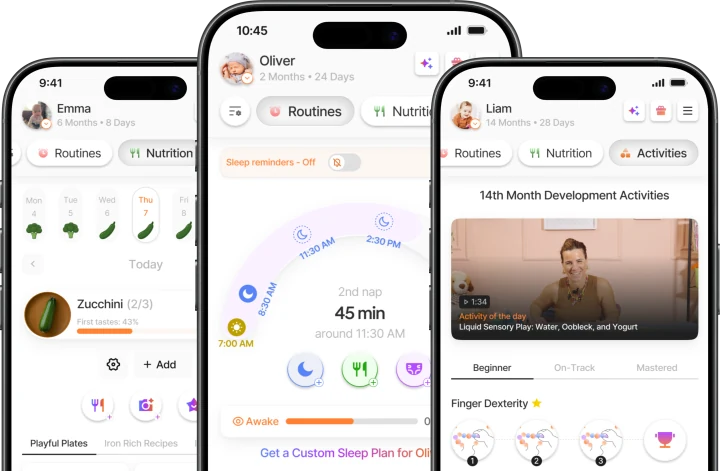
Logging what works each evening reveals patterns faster than memory alone. In Yuppo, you can record nap and bedtime data and review trends over several nights to spot whether a schedule tweak is helping.
Adjust the daily schedule if needed
Physical activity during the day, including fresh air, supports healthy sleep, according to the AAP. If the afternoon nap runs too late, shift it 15 to 20 minutes earlier and observe the effect over a few evenings. A baby sleep schedule by age reference can help with timing benchmarks as your child grows.

Summary and Next Steps
This regression is temporary. Most families see sleep improve within a few weeks once the underlying developmental leap settles.
Bedtime stalling, night wakings, and nap refusal form the telltale trio. Recognizing the pattern helps you stay calm instead of overhauling the routine.
Rule out other causes when the picture does not fit. Night terrors, illness, and a natural nap transition each need a different approach.
Pick one small change this week. Shift the nap 15 minutes earlier or add afternoon outdoor play, then observe for several nights before adjusting further.
When to See a Doctor
Most sleep disruptions during this phase are a normal response to developmental changes, but some patterns suggest something else is going on. The AAP encourages you to talk to your pediatrician about sleep problems, as most are easily treated. Reach out if you notice:
Sleep disruptions that continue well beyond six weeks with no improvement, even with consistent routines
Your toddler appearing to be in pain or discomfort during wake-ups rather than simply seeking company
Repeated overnight screaming episodes that your child does not remember the next morning, which may point to night terrors
This content is for information only; always consult your pediatrician for diagnosis and treatment.
Keeping track of which bedtime tweak made a difference is hard when every night blurs together. In Yuppo, you can enter your child's birth date and follow each week's expert-prepared developmental milestones, making it easier to see which cognitive and language leaps your toddler is working through right now.
Frequently Asked Questions
Can the 2yr sleep regression affect daytime naps?
Yes, many toddlers refuse or noticeably shorten their single daytime nap during this phase. The pattern typically returns within a few weeks as the developmental surge passes. Keeping the nap window consistent, even when your child resists, helps the habit bounce back faster once things settle.
Should I switch to a toddler bed during the sleep regression?
Avoid introducing a major transition while sleep is already disrupted. Switching beds during this stretch often increases bedtime resistance because the new sleeping environment adds another layer of change your toddler has to process. Wait until sleep has been stable for at least two to three weeks before making the switch.
Is it normal for a 2 year old to wake up screaming at night?
Brief, disoriented wake-ups can be a normal part of toddler sleep. Repeated episodes where your child screams, does not recognize you, and has no memory the next morning may point to night terrors, which are most common between ages 3 and 8. Mention frequent screaming episodes to your pediatrician for guidance.
Does every toddler go through a sleep regression at 2?
Not every child experiences a noticeable regression at this age. Some toddlers show only a few disrupted nights before settling back to their usual pattern, while others have several weeks of clear bedtime battles and overnight waking. The intensity varies widely, and a mild disruption does not mean anything is wrong.
Will sleep training work during a sleep regression at 2?
Gentle reinforcement of skills your toddler already has, like following a familiar routine and responding to brief check-ins, usually helps during this stretch. Introducing a brand-new method at the peak of disruption tends to increase resistance rather than resolve it. Waiting until sleep stabilizes gives any new approach a better chance of success.
References

Yuppo Lab
Sleep Expert

Sleep
Learn 6 month sleep regression signs, likely duration, and practical ways to respond. Navigate your baby's changing sleep with Yuppo.

Sleep
Discover when sleep regressions strike and what to do at each stage, from 4 months to 2 years. Track your baby's sleep milestones with Yuppo.

Sleep
Learn why sleep regression strikes around 20 months and what you can do to help your toddler rest again. Track your toddler's sleep patterns with Yuppo.