Key Takeaways
A typical 6 month old feeding schedule pairs around 24 to 32 oz (710 to 950 ml) of breast milk or formula per day with one to two small solid meals of about 1 to 2 tablespoons each.
Signs of readiness include sitting with support, steady head control, and swallowing food instead of pushing it out.
Iron-rich foods such as iron-fortified cereal and puréed meat are strong first choices because iron stores from birth start declining around this age.
Common allergens like egg and smooth peanut butter can be introduced from around 6 months, one at a time in small amounts.
Both purées and baby-led weaning are safe approaches to starting solids.
A 6 month old feeding schedule revolves around milk feeds that still supply most daily calories, with one to two small solid meals now joining the routine. This stage is known as complementary feeding: new foods add to milk rather than replace it. If your baby has been sitting steadier and eyeing every bite you take, those first tastes may be right around the corner. Below you'll find readiness cues, safe first foods, realistic portions, a sample daily schedule, and guidance on choosing between purées and baby-led weaning. These sections give you a practical framework for navigating early nutrition at 6 months.

How to tell your baby is ready for solids at 6 months
Your baby shows readiness for solids when several developmental cues appear together, generally around 6 months. The CDC recommends watching for physical milestones rather than relying on the calendar alone.
Developmental readiness cues to look for
Reliable readiness cues include sitting with support, steady head control, and swallowing food instead of pushing it out. The CDC lists these signs:
Sitting up alone or with support
Controlling the head and neck
Opening the mouth when food is offered
Swallowing food rather than pushing it out
Bringing objects to the mouth
The NHS adds that these cues should all appear together from around 6 months before starting solids. Chewing fists, waking more at night, and wanting extra milk are normal behaviors at this age, not reliable signs your baby needs solids.
Why most guidelines recommend around 6 months
Around 6 months, milk alone no longer meets all of your baby's energy and nutrient needs, and solid foods become necessary, as the WHO explains. The AAP recommends breast milk only for approximately 6 months, then continued breastfeeding alongside solids for 2 years or beyond. Every baby develops at their own pace, so your baby's developmental cues at 6 months matter more than a fixed date.
What can a 6 month old eat
Your 6 month old can start with foods from several groups, including iron-fortified cereals, puréed vegetables, fruits, and proteins. Knowing which foods for a 6 month old to prioritize helps early meals go smoothly.
Iron-rich first foods to prioritize
Iron-rich foods deserve a spot in your baby's earliest meals because stored iron from birth starts declining around this age. The AAP recommends meat-based baby food or iron-fortified cereals as first offerings. After a full morning milk feed, a few spoonfuls of iron-fortified rice cereal mixed with breast milk shows how solids fit around milk rather than in place of it.
Fruits, vegetables, and grains to try
Fruits, vegetables, whole grains, and unsweetened dairy can all join your baby's diet from around 6 months. The CDC lists these food groups as appropriate by about 7 to 8 months:
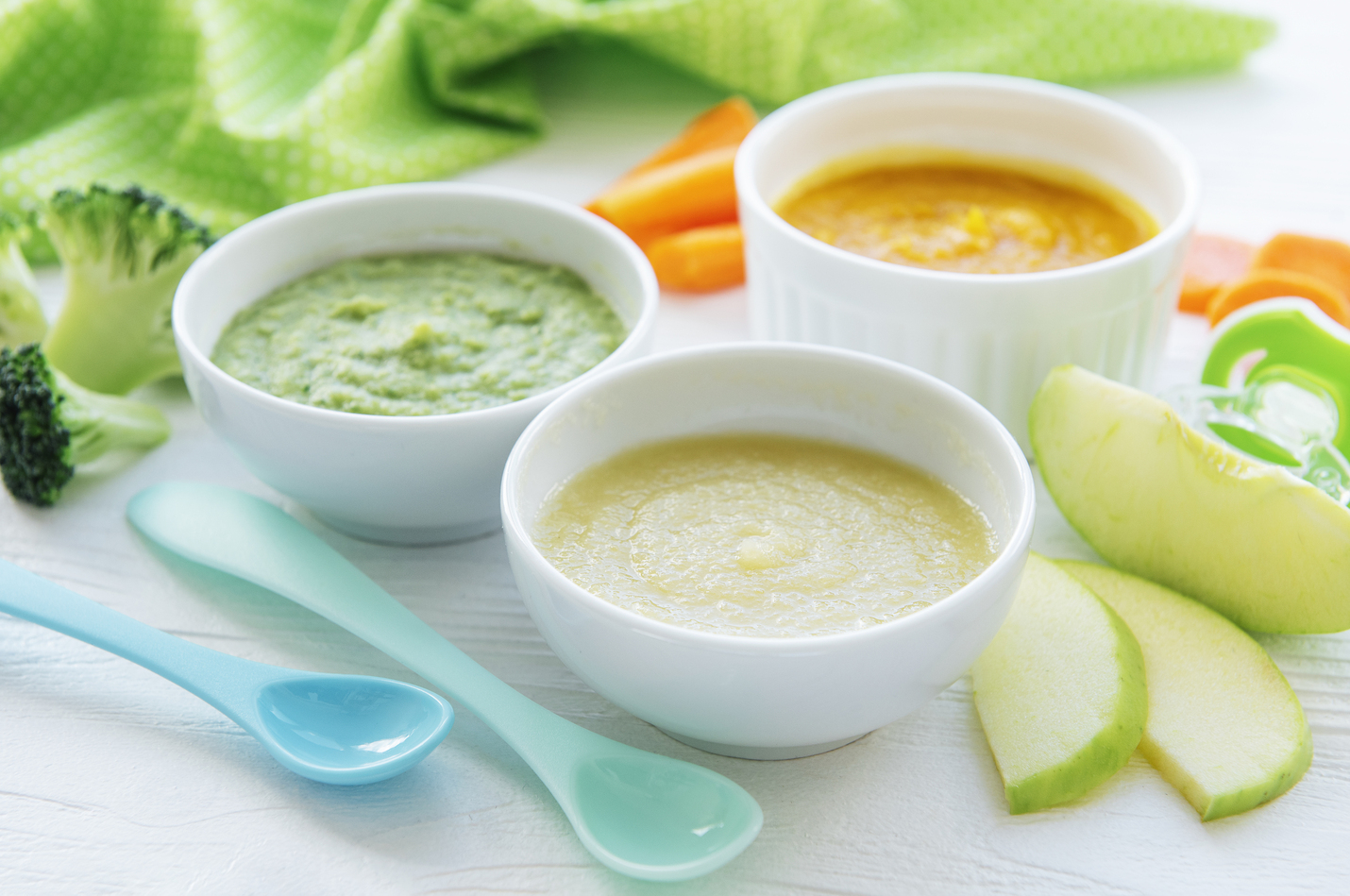
Vegetables (puréed sweet potato, squash, peas)
Fruits (mashed banana, avocado, puréed peach)
Whole grains like infant cereals
Unsweetened dairy such as plain yogurt
Proteins including puréed chicken or lentils
Introduce one single-ingredient food at a time, waiting 3 to 5 days between each, as the CDC recommends.
Foods to avoid at 6 months
Cow's milk as a main drink should wait until after 12 months, though dairy like plain unsweetened yogurt can start earlier, as the CDC notes. Honey and choking hazards such as whole grapes and raw carrot chunks should also stay off the menu.
Allergens like eggs, smooth peanut butter, fish, and wheat can be offered from around 6 months. The NHS recommends introducing them one at a time in small amounts so you can watch for any reaction. Mixing a small amount of smooth peanut butter into warm oat cereal is one practical way to get started.
How much should a 6 month old eat each day
Most of your baby's calories at 6 months still come from milk, with solids adding a small but growing share. Getting the balance right means letting milk lead.
Breast milk and formula amounts at 6 months
Most formula-fed babies at 6 months typically take roughly 24 to 32 oz (710 to 950 ml) across four to five daily feeds, while breastfed babies continue nursing on demand. As solids are introduced, intake per sitting may dip slightly, but milk remains the primary energy source. You can monitor how weight and length progress alongside dietary changes with a percentile calculator.
Solid food portions and frequency
Solid food portions at 6 months start smaller than you might expect, usually about 1 to 2 tablespoons per sitting. The WHO recommends 2 to 3 solid food sessions per day between 6 and 8 months. Over time, the AAP notes each meal can reach about 4 oz (120 ml).
Start with 1 to 2 tablespoons per meal
Offer one to two solid sessions daily, building toward two to three
Give the milk feed first so milk stays the main source
Your baby may eat two tablespoons of puréed butternut squash on Monday and turn away from the same spoon on Wednesday. That day-to-day swing is completely typical when solids are new.
Sample 6 month old feeding schedule
A flexible 6 month old eating schedule builds one to two solid meals around four to five milk feeds. Treat the layout below as a starting template you can adjust to match your baby's naps and hunger cues.
What a typical day looks like
A typical day at 6 months centers on full milk feeds with solid meals tucked in between. Here is one way it might flow:
| Time of Day | Feed Type | What to Offer | Approximate Amount |
|---|---|---|---|
| Early morning | Milk | Breast milk or formula | Full feed on demand |
| Mid-morning | Solids + milk | Iron-fortified cereal, then milk | 1–2 Tbsp, then milk |
| Midday | Milk | Breast milk or formula | Full feed on demand |
| Late afternoon | Solids + milk | Puréed vegetable or fruit, then milk | 1–2 Tbsp, then milk |
| Bedtime | Milk | Breast milk or formula | Full feed on demand |
Milk feeds anchor the day; solid meals slot in without replacing any of them.
Adjusting the schedule to your baby's cues
How often your 6 month old eats solids depends more on appetite cues than a strict clock. If your baby turns away or closes their mouth, the meal is done even if the bowl is still full. On days when teething or tiredness dampens interest, milk alone covers their needs.
A 6 month old eating schedule works best when it bends to your baby's rhythm. In Yuppo, you can enter your baby's age and browse solid food suggestions matched to their stage, making it easier to plan what comes next.
Purées vs baby-led weaning at 6 months
Both purées and baby-led weaning are safe approaches for starting solids at 6 months. The right method is whichever fits your family's comfort level.
How spoon-fed purées work
Spoon-fed purées begin with smooth, thin blends that gradually thicken as your baby gets comfortable swallowing. The WHO notes that babies can eat puréed, mashed, and semi-solid foods from 6 months, with finger foods joining by about 8 months.
How baby-led weaning works
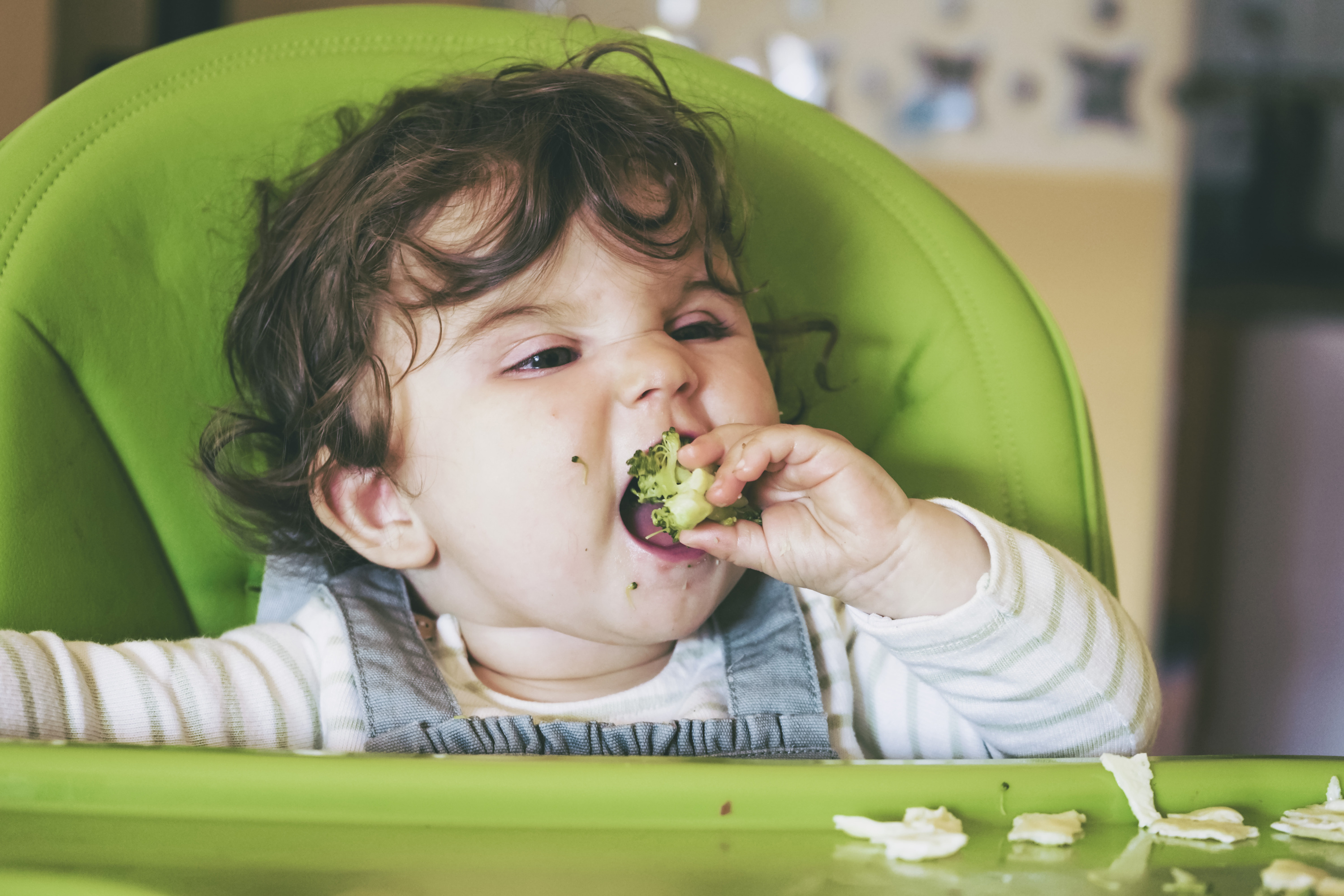
Baby-led weaning offers soft finger foods from the start, letting your baby self-feed at their own pace. The NHS confirms there is no more choking risk with this approach than with spoon feeding when foods are prepared safely. A soft strip of steamed broccoli, for example, lets your baby practice a palmar grasp while exploring texture and taste. For a deeper look at this method, see the baby-led weaning guide.

Combining both approaches
Many families successfully combine purées and finger foods in the same meal. The NHS states there is no right or wrong way; the priority is that your baby eats a wide variety and gets the nutrients they need.
Begin a meal with a few spoonfuls of purée
Place a soft finger food on the tray for self-feeding
Let your baby set the pace for both
Mistakes to avoid when feeding your 6 month old
Replacing milk feeds with solids too quickly is the most common misstep at this stage. Solids are meant to add to your baby's diet, not take over.
Rushing the transition from milk to solids
Starting with too much food at once can overwhelm a baby who is just learning to eat. Common pitfalls include:
Offering more than 1 to 2 tablespoons before your baby signals they want more
Dropping a milk feed to make room for solids
Let your baby's appetite cues guide the pace rather than a set amount.
Giving new foods a fair chance
Many babies need several calm exposures before they accept a new flavor, so one turned-away spoon is not a final answer. The CDC also advises introducing allergenic foods alongside other new foods rather than waiting. Try offering the same food in a different form on another day; if ongoing refusals are still the pattern by around 7 to 8 months, picky eating strategies can help.
Summary and Next Steps
Milk leads at 6 months. Most daily calories still come from breast milk or formula; solid meals are a gradual addition.
One food at a time. A single-ingredient approach makes it straightforward to trace any reaction.
Include allergens early. Allergenic foods belong alongside other first foods in small amounts.
Expect day-to-day variation. Your baby's appetite will shift from meal to meal; that inconsistency is a normal part of learning to eat.
Try this week: Choose one iron-rich food and offer it after a calm milk feed.
This content is for information only; always consult your pediatrician for diagnosis and treatment.
Tracking which new foods your baby has tried alongside their shifting daily appetite can feel like a lot to hold in your head. In Yuppo, you can follow your baby's expert-prepared developmental steps week by week and receive age-based activity suggestions, keeping the bigger picture in view while you navigate those first meals.
Frequently Asked Questions
Plain, whole-milk yogurt without added sugars is generally safe from around 6 months. The CDC notes that unsweetened dairy products can be introduced before 12 months, even though cow's milk as a main drink should wait until after age one. Yogurt provides protein and calcium, making it a useful early food.
Most formula-fed babies at 6 months take roughly 24 to 32 oz (710 to 950 ml) per day across four to five feeds. As solid meals join the routine your baby may take slightly less per bottle, but formula remains the primary calorie source throughout this stage.
Your baby doesn't need extra water at 6 months. The AAP says offering a small amount from an open or straw cup during meals is fine, limited to no more than 1 cup (240 ml / 8 oz) per day. Most 6 month olds take only a few sips; breast milk or formula handles hydration.
Offer one allergenic food in a small amount, then wait 3 to 5 days before trying the next, as the CDC recommends. Eggs, nut butters, and wheat belong alongside other new foods rather than on a delayed timeline. Watch for any rash or swelling after each new introduction.
Refusing new foods is a normal part of learning to eat. Many babies need several low-key exposures before accepting an unfamiliar flavor. Keep offering small amounts without pressure and let your baby set the pace; if refusals continue for several weeks, mention it at your next well-baby visit.