Key Takeaways
By around 6 months, formula-fed babies typically take 6 to 8 oz (180 to 240 ml) across 4 or 5 feedings, totaling about 24 to 32 oz (710 to 960 ml) daily.
Breastfed babies generally nurse about 8 to 12 times in 24 hours, with sessions roughly 2 to 4 hours apart.
At least 5 to 6 wet diapers a day and steady growth along your baby's own curve are the most reliable signs of adequate intake.
Most major health organizations recommend starting complementary foods around 6 months, though some babies show readiness signs between about 4 and 6 months.
Your 5 month old generally needs about 24 to 32 oz (710 to 960 ml) of breast milk or formula each day, spread across four to six feedings. How much a 5 month old should eat at each session depends on feeding method and individual appetite.
If you have been counting ounces and still second-guessing whether your baby gets enough, you are not alone. Below you will find daily amounts, a 5 month old feeding chart, hunger and fullness cues, and when complementary foods come into play. For more age-specific nutrition guidance, bookmark this page.

How much should a 5 month old eat each day
Formula-fed 5 month olds typically take about 24 to 32 oz (710 to 960 ml) daily, while breastfed babies nurse 8 to 12 times. The right total depends on your baby's size, growth rate, and appetite, all of which evolve with 5 month old development.
Breast milk amounts at 5 months
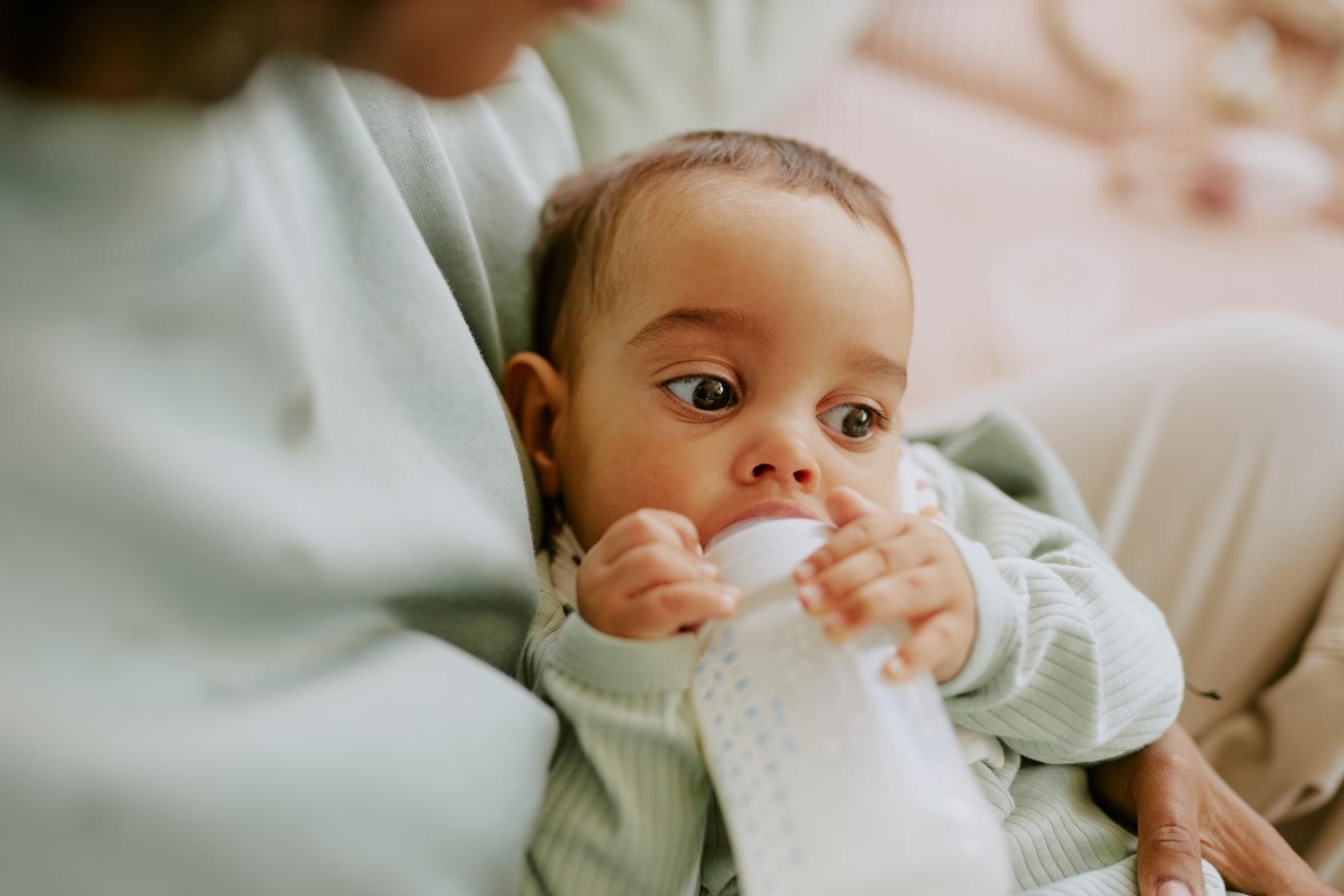
Breastfed babies typically feed about 8 to 12 times in 24 hours, according to the CDC. Since intake at the breast is hard to measure, frequency and diaper output are your best daily guides.
A baby who nurses seven times during the day and once at night, averaging about 4 oz (120 ml) per session, would total close to 28 oz (830 ml).
Formula amounts at 5 months
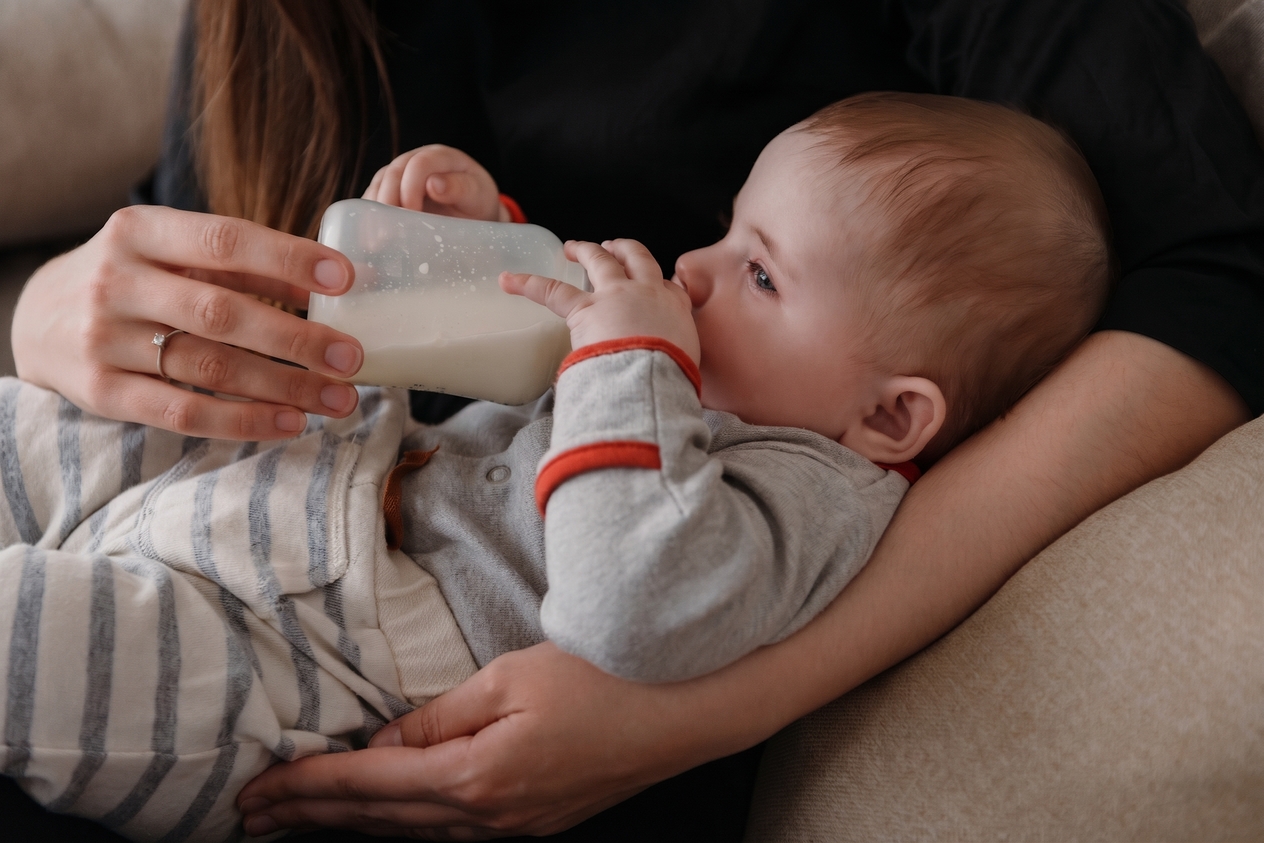
By around 6 months, formula-fed babies consume 6 to 8 oz (180 to 240 ml) at each of 4 or 5 feedings, with a daily ceiling of about 32 oz (960 ml), according to the AAP. Five 6 oz bottles spaced about 3.5 hours apart would total 30 oz (890 ml).
What about combination feeding
Combination-fed babies draw intake from breast milk and formula together. If your baby breastfeeds three times and takes two 6 oz (180 ml) formula bottles, add the known formula volume to about 3 to 5 oz (90 to 150 ml) per nursing session to estimate daily intake. Tracking diapers and growth confirms things are on track.
This chart compares daily feeding at 5 months.
| Feed type | Amount per feeding | Feedings per day | Approx. daily total |
|---|---|---|---|
| Breast milk | ~3–5 oz (90–150 ml) | 8–12 | ~24–30 oz (710–890 ml) |
| Formula | 6–8 oz (180–240 ml) | 4–5 | ~24–32 oz (710–960 ml) |
| Combination | 3–8 oz (90–240 ml) | 5–8 | ~24–32 oz (710–960 ml) |
Breast milk amounts are estimates.
How often should a 5 month old eat
At 5 months, your baby will likely eat every 2 to 4 hours during the day, with breastfed babies on the more frequent end. Daily feed count depends on your method and your baby's cues.
Daytime feeding frequency
Your breastfed baby probably nurses every 2 to 4 hours during waking hours, according to the CDC. Some sessions cluster during growth spurts, a pattern that usually settles within a few days. Formula-fed babies usually space bottles about 3 to 4 hours apart, averaging 4 or 5 bottles a day, as the AAP outlines.
Breastfed: roughly 8 to 12 sessions across 24 hours
Formula-fed: roughly 4 to 5 bottles during the day
Night feedings at 5 months
Many formula-fed babies drop the night feeding between 2 and 4 months, or once they weigh more than 12 lb (5.4 kg), according to the AAP. Some breastfed 5 month olds develop a longer sleep stretch of 4 to 5 hours, as the CDC notes. If your healthy baby sleeps through, there is no need to wake them.

Sample 5 month old feeding schedule
Your 5 month old eating schedule works best as a loose framework, because hunger naturally shifts day to day. Adjust the times to match your family's rhythm.
Sample breastfeeding schedule
A breastfed 5 month old might nurse 7 to 8 times in 24 hours.
6:30 AM – Nurse on waking
9:00 AM – Nurse before morning nap
11:30 AM – Nurse after nap
2:00 PM – Nurse before afternoon nap
4:30 PM – Nurse after nap
6:30 PM – Cluster feed
7:30 PM – Nurse at bedtime
~3:00 AM – Night feed if baby wakes
Your baby may drop the night feed or add a daytime session; both patterns are typical.
Sample formula feeding schedule
A formula-fed 5 month old usually takes about five bottles spaced 3 to 4 hours apart.
6:30 AM – ~6 oz (180 ml)
10:00 AM – ~6 oz (180 ml)
1:30 PM – ~6 oz (180 ml)
5:00 PM – ~6 oz (180 ml)
8:00 PM – ~6 oz (180 ml)
Bottles may range from 5 to 8 oz depending on the time of day. In Yuppo, you can log naps and feeds side by side to see how sleep timing shapes appetite.
How to tell your 5 month old is eating enough
Consistent diaper output and steady growth along your baby's own percentile curve are the clearest signs of adequate intake. No single feeding tells the whole story.
Diaper output and weight gain cues
A well-fed baby usually wets at least 5 to 6 diapers a day after the first 4 to 5 days, according to the AAP. Growth that follows your baby's own curve matters more than any single weigh-in. A percentile calculator helps you spot trends between visits.
Hunger and fullness cues to watch for
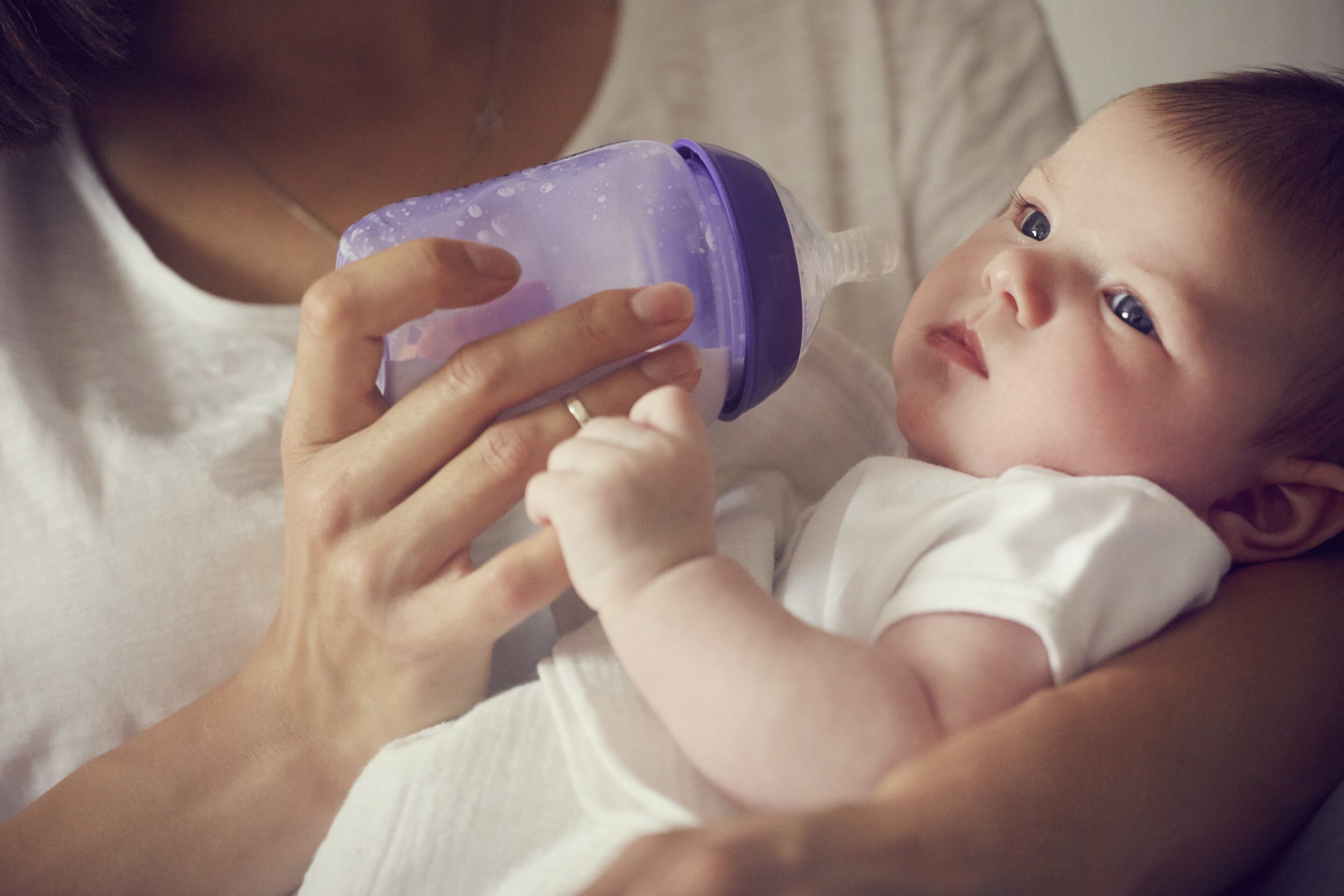
Your baby signals hunger by putting hands to mouth, rooting, and puckering lips. From birth to 5 months, the CDC lists these typical cues:
Hungry: hands to mouth, turning toward breast or bottle, lip puckering, clenched fists
Full: mouth closes, head turns away, hands relax
A fidgety or distracted bottle-fed baby is probably done, as the AAP notes.
Is a 5 month old ready to start solids
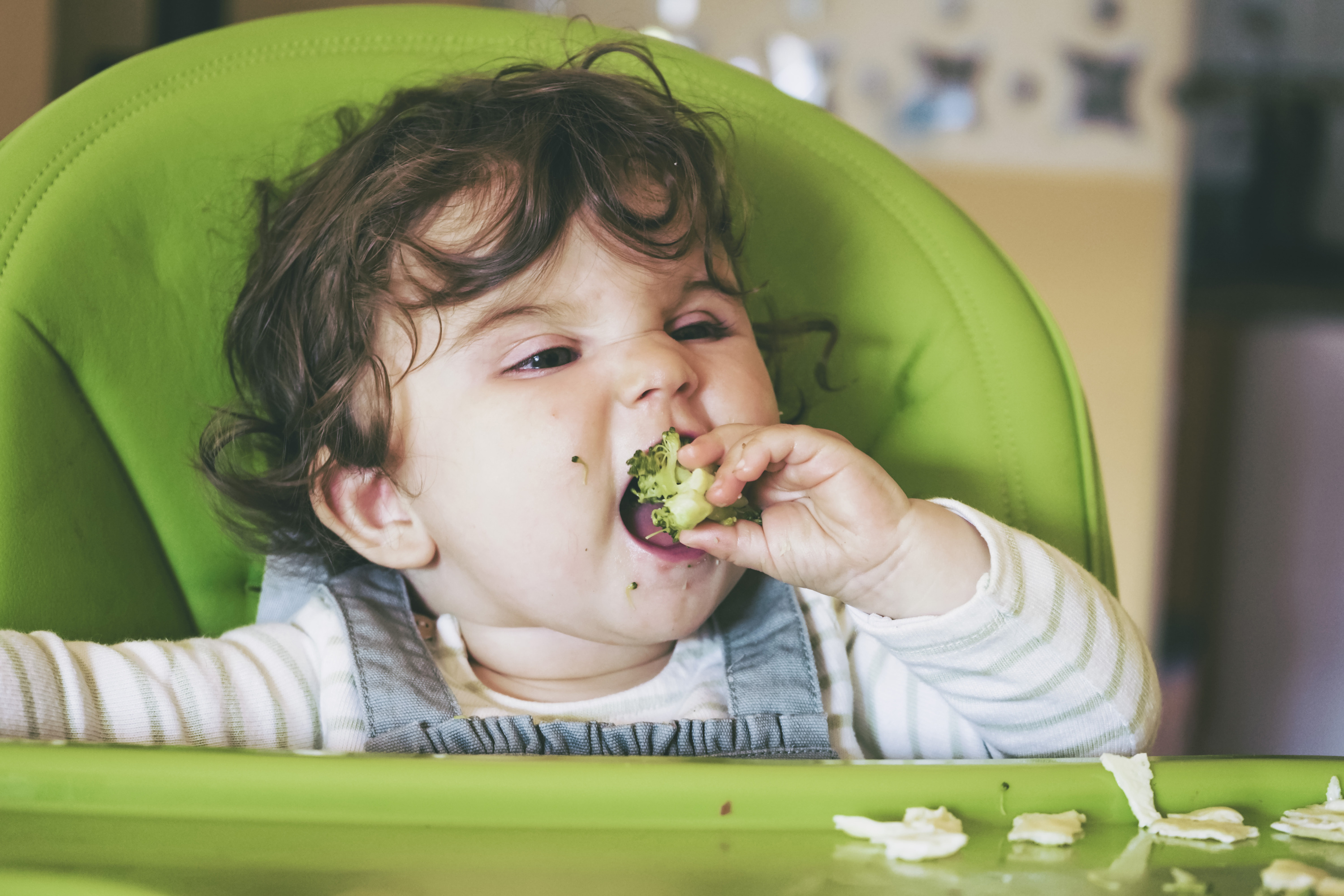
Solid foods are generally not recommended before around 6 months, though some babies show developmental readiness between about 4 and 6 months. Specific milestones matter more than the calendar.
Developmental readiness signs
Your baby may be ready for complementary feeding when several milestones align. The AAP lists key signs:
Sitting in a high chair with good head control
Opening the mouth when food approaches
Moving food from a spoon to the back of the throat
Having roughly doubled birth weight, typically about 13 lb (5.9 kg)
If your baby reaches for your plate but cannot sit without support, wait a bit longer.
What the AAP and WHO recommend about timing
The AAP recommends only breast milk for approximately 6 months, then continued breastfeeding for 2 years or beyond. The WHO similarly advises starting complementary foods around 6 months, when an infant's energy needs begin to exceed what breast milk alone provides.
Your 5 month old does not need extra water; breast milk and formula supply all required fluids, according to the AAP. A small amount is fine once solids begin. When signs appear, you can explore approaches like baby-led weaning.

Common feeding challenges at 5 months
Growth spurts, new sensory awareness, and shifting sleep patterns can all temporarily change how your 5 month old feeds. Most shifts pass on their own.
Distracted feeding and shorter sessions
Your baby's growing curiosity can shorten a feeding session noticeably. A 5 month old who nurses only 3 to 4 minutes per side often makes up volume during evening feeds.
Feed in a quiet, dimly lit room
Offer a session right after a nap, when your baby is calm
Let evening cluster feeds compensate for shorter daytime sessions
Growth spurts and appetite swings
Growth spurts can boost appetite for a couple of days, leading to more frequent feeds or larger bottles. Offering an extra feed and returning to the usual pattern once demand eases is typically all you need. As your baby transitions to solids, encouraging varied textures early can support healthy eating habits.
When spit-up may need attention
Occasional spit-up is common and usually harmless at this age. If spit-up is forceful or discolored, or your baby refuses most feeds for over 24 hours, contact your pediatrician.
Summary and Next Steps
Flexible daily range: your 5 month old's intake naturally varies, and that is completely expected.
Cue-based feeding: hunger signs like rooting and fullness signs like turning away guide more responsive feeds than a rigid clock.
Diaper check this week: count wet diapers over two or three days; at least 5 to 6 daily confirms adequate intake.
Watch for readiness signs: sitting with good head control is often the earliest clue that a complementary feeding conversation with your pediatrician is near.
Flag these for your doctor: fewer than 5 wet diapers a day for more than a day, weight gain stalling at consecutive checkups, forceful or discolored spit-up, or refusal of most feeds for over 24 hours.
This content is for information only; always consult your pediatrician for diagnosis and treatment.
Tracking daily intake is tough when feedings blur together. In Yuppo, you enter your baby's birth date and receive week-by-week nutrition and solid food suggestions tailored to their current age.
Frequently Asked Questions
Breast milk and formula provide all the hydration your 5 month old needs, so extra water is not necessary before solids begin. Once complementary foods are established around 6 months, offering a small amount of water alongside meals is fine. Milk feeds remain the primary fluid source even then.
Most formula-fed 5 month olds take about 6 to 8 oz per bottle across 4 or 5 daily feedings. Individual amounts vary by session and time of day. Letting your baby's fullness cues guide the final ounce matters more than filling every bottle to the same level.
A healthy, well-gaining 5 month old can generally sleep through without being woken for a feeding. Many formula-fed babies drop the night feed between 2 and 4 months. Check with your pediatrician if you have concerns about weight gain or prematurity.
Feeding every 2 hours at 5 months is common, especially during growth spurts or cluster-feeding phases. Your baby may need extra calories for a brief period. If the pattern continues beyond a week and your baby seems unsatisfied, mention it at your next checkup.
Some babies show readiness signs between 4 and 6 months, such as sitting with good head control and eagerly opening the mouth for a spoon. Discuss timing with your pediatrician if those signs are clearly present. Most guidelines point to around 6 months as the general starting window.