Gentle Sleep Training: Responsive Ways to Help Your Baby Sleep

This article is approved by Çiğdem İrem İleri
Published: 08 April, 2026
Updated: 18 August, 2026

At a Glance
Gentle sleep training is a flexible process that supports babies in learning to fall asleep independently, typically starting around 4–6 months.
Responsive approaches focus on responding compassionately to a baby's cues instead of leaving the baby alone to cry.
Creating a consistent sleep routine can help regulate the circadian rhythm and improve the quality of nighttime sleep.
Every baby's development and sleep needs are different, so keeping expectations flexible can ease parental anxiety.
Gentle sleep training is one of the topics parents research most—and one of the most exhausting. It means supporting your baby in falling asleep independently and getting back to sleep after nighttime wakings. If you've been sleep-deprived for months, feeling exhausted and unsure what to do, you're not alone. In this guide, you'll learn about responsive sleep training methods, no-cry techniques for establishing a baby's sleep schedule, and the steps to building a healthy routine.


In Summary: What to Know About Gentle Sleep Training
Gentle sleep training is a way of guiding your baby toward independent sleep while responding to crying cues and staying close rather than leaving the baby alone. Many parents worry that sleep training means leaving their baby alone in a dark room. Current approaches, however, emphasize responding to a baby's needs promptly and appropriately.
The American Academy of Pediatrics (AAP) notes that supporting babies in a safe sleep environment while parents remain attentive can help them develop healthy sleep habits. The goal is not to abandon your baby, but to help them experience sleep as a safe transition. Choosing an approach that fits your baby's temperament and your family's dynamics can improve the chances of success.
What Is Gentle Sleep Training, and How Does It Differ From Traditional Methods?
The main difference between gentle sleep training and traditional methods is that a gentle approach gradually reduces the parent's physical and emotional presence instead of leaving the baby to cry. Older, stricter methods are often based on set times and may not take the baby's stress level into account.
Taking a compassionate approach when establishing a baby's sleep schedule can improve the family's overall well-being. When your baby wakes at night, touching them, soothing them with your voice, or picking them up and then placing them back in bed are all central parts of this method. Since every baby settles at a different pace, following your baby's cues tends to produce more lasting results than following a clock-based chart.
A Secure-Attachment Approach
A secure-attachment approach gives your baby confidence that you will be there when they cry, reducing anxiety during the transition to sleep. Babies can feel vulnerable as they fall asleep and look for safety in their surroundings.
Consistent, loving responses from a parent can lower a baby's stress level. Babies who receive responsive care from their parents often learn to cope more comfortably with separation anxiety, which commonly becomes more noticeable around 6–9 months. This trusting relationship creates a strong foundation not only for sleep but for every area of your baby's development.

Can You Use No-Cry Sleep Training?
No-cry sleep training recognizes that some fussing is natural when a baby resists sleep, while responding promptly to intense, distressed crying. No baby is expected to show no reaction when learning a new habit; mild protest crying is usually a normal part of adjusting.
What matters is not allowing your baby to become panicked and scream uncontrollably. If the crying intensifies, step in and comfort your baby, then start again. This helps your baby learn through experience that bedtime is not a frightening separation.
How Do You Create a Healthy, Sustainable Baby Bedtime Routine?
The best baby bedtime routine is a predictable sequence in which calming steps such as a bath, dim lighting, a lullaby, and massage happen in the same order each evening. A routine tells your baby's body that sleep time is approaching. Most babies begin to understand environmental cues during the 4-month developmental stage.
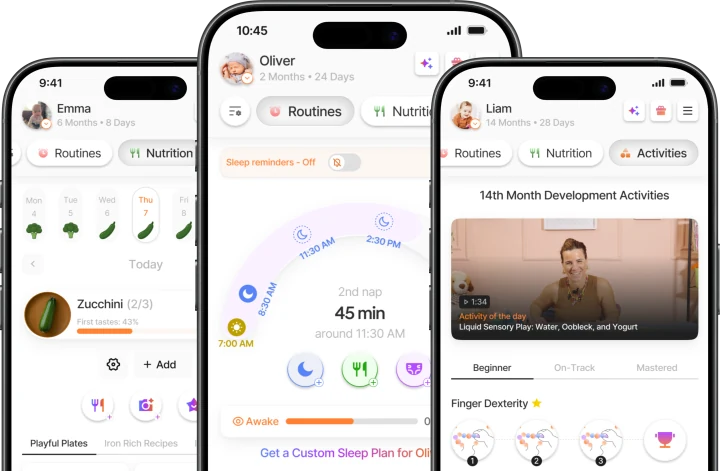
Following the same bedtime routine at roughly the same time each evening supports the release of melatonin, a hormone that helps with falling asleep. By entering your baby's wake-up time in Yuppo, you can see nap and nighttime sleep times calculated around your baby's age and personal sleep habits, then flexibly track daily changes in the same plan.
Ways to Help Your Baby Wind Down Before Sleep
Pre-sleep calming techniques include airing out the room, using white noise, giving a gentle baby massage, and singing a lullaby in a quiet setting. Your baby needs a bridge from daytime activity to the calm of sleep.
Skin-to-skin contact and gentle touch can soothe the nervous system. Keeping the room dim and using blackout curtains to reduce outside stimulation can shorten the time it takes to fall asleep. Avoiding screens and loud toys for at least an hour before sleep can help the brain shift into sleep mode.
How Baby Naps Affect Nighttime Sleep
Naps help prevent overtiredness and keep cortisol levels balanced, laying the groundwork for more continuous nighttime sleep and fewer frequent wakings. The idea that skipping naps will make a baby sleep better at night is a common parental trap.
An overtired baby has a much harder time falling asleep and may be restless throughout the night. That's why following age-appropriate nap windows is so important. Babies who get quality daytime sleep usually resist bedtime less.
Common Gentle Sleep Training Mistakes and Solutions
One of the most important things to remember when sleep training is to avoid starting a strict program while your baby is sick or going through a challenging period such as teething or a developmental leap. Frequently changing methods, responding inconsistently as parents, or tiring your baby with highly active play right before bed are common mistakes. Being consistent but flexible helps prevent confusion.
The table below shows average awake times by age; remember that every baby has their own pace.
Baby's Age | Average Awake Time | Number of Naps (Usually) |
|---|---|---|
4–6 Months | 1.5–2.5 hours | 2–3 |
7–9 Months | 2–3 hours | 2–3 |
10–12 Months | 3–4 hours | 2 |
13–18 Months | 4–5.5 hours | 1–2 |
These ranges are a general guide for watching your baby's tiredness cues and may vary according to your baby's daily needs.
When Should You See a Professional About Infant Sleep Problems?
If your baby's sleep problems include weeks of intense fussiness and sleeplessness beyond a temporary adjustment period such as the 4-month sleep regression, it may be helpful to consult a professional. Sometimes the issue is not just a habit; a hidden ear infection, reflux, food allergy, or iron deficiency may disrupt sleep.
If none of the methods you try are working, you feel burned out, and the situation is disrupting your family's daily life, professional support can ease the parenting load. Remember, asking for help is a natural and healthy part of parenting.
Summary and Next Steps
Keep your expectations flexible: Be kind to yourself by accepting that your baby is not a machine and sleep is a developmental process with ups and downs.
Start a sleep routine: Beginning tonight, try creating a consistent 3–4-step wind-down routine, such as a bath, massage, and reading a book.
Track awake times: Watch the age-appropriate awake windows for your baby and prepare them for sleep before they become overtired.
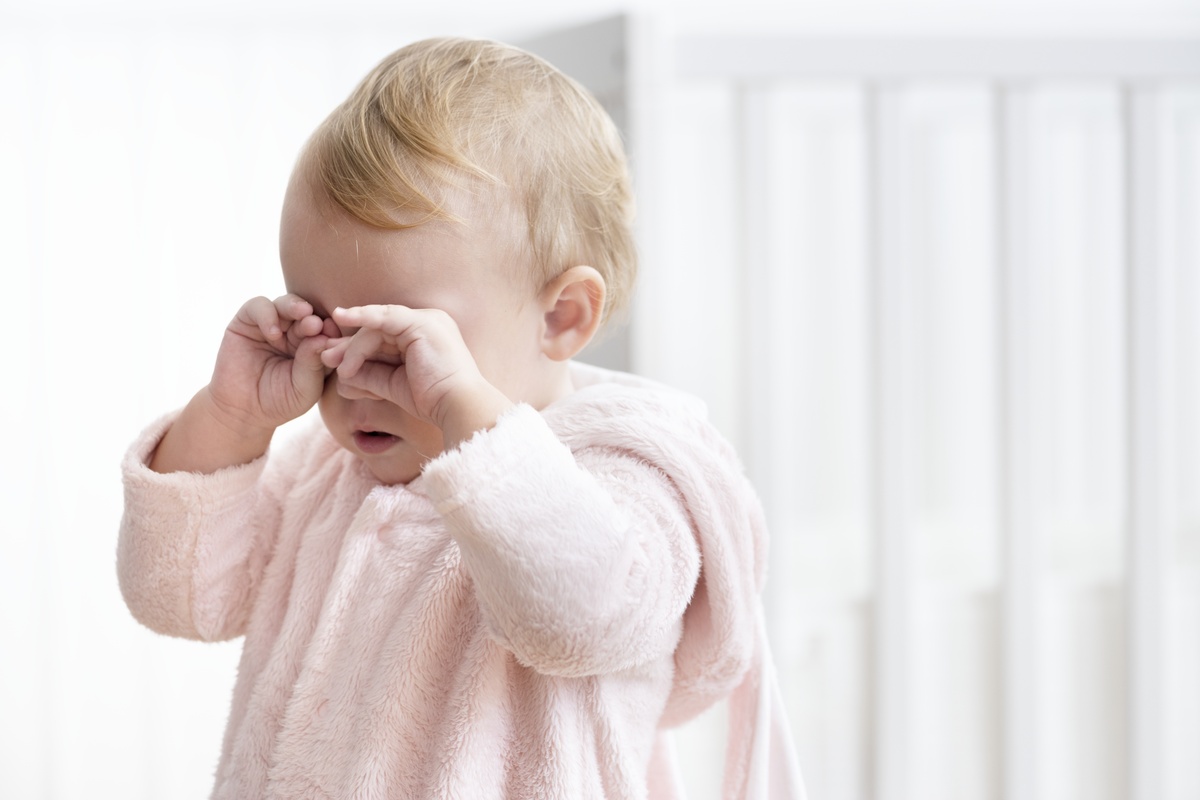
Learn to read the cues: Move into the sleep routine as soon as you notice early signs of tiredness, such as eye rubbing, ear pulling, or yawning.
When Should You Call the Doctor?
Sleep problems can sometimes signal a medical condition. Although most nighttime wakings are considered normal, you should contact a health care professional if you notice any of the following:
Noisy breathing during sleep, pauses in breathing (apnea), or clear difficulty breathing.
In babies older than 6 months, screaming episodes that continue through the night and cannot be soothed.
Excessive sweating while falling asleep or sleeping, especially when the room temperature is a normal 20–22°C (68–72°F).
Sleep disruptions accompanied by a fever (especially a temperature of 38°C (100.4°F) or higher in babies younger than 3 months, which requires urgent medical evaluation).
Severe sleeplessness accompanied by feeding refusal, stalled weight gain, or extreme daytime tiredness.
This content is for informational purposes only; always consult your pediatrician for diagnosis and treatment.
During this challenging but temporary period, technology can help you understand your baby's sleep rhythm and create a schedule that works for them. Recording your baby's sleep data can help you discover their natural rhythm and plan your day more easily as a parent.
Enter your baby's wake-up times in the Yuppo app to receive flexible nap suggestions calculated around your baby's personal habits and daily sleep needs. You can also use the routines module, available to try for free, to confidently track your baby's sleep journey.
Frequently Asked Questions
When can you start gentle sleep training with a baby?
Babies are generally ready for gentle sleep training between 4 and 6 months, when their circadian rhythms begin to develop. The American Academy of Pediatrics (AAP) and pediatricians do not recommend strict training before this age. The early months are a time for secure attachment and prompt responses to your baby's needs.
What should I do if my baby cries during sleep training?
If your baby cries during sleep training, first try soothing them in the crib with your voice and gentle touch. If the crying intensifies and becomes panicked, pick up and comfort your baby. Once they are calm, place them back in the crib and begin again.
How does teething affect sleep training?
Teething can make it harder for babies to respond well to sleep training because it may cause pain and fussiness. Rather than starting a new program during this period, it is usually better to make the existing routine more flexible, offer extra comfort, and pause the process until the discomfort improves.
How long does the 4-month sleep regression last?
Sleep regression in babies usually lasts 2–6 weeks and is linked to reaching a new developmental milestone, such as crawling or teething. Staying consistent with the routine and your responses can help your baby move through this period more smoothly.
Do I need to stop breastfeeding during sleep training?
You do not need to stop breastfeeding during sleep training. Breast milk supports both your baby's nutritional and emotional needs. To change the habit of falling asleep at the breast, you can make nursing an earlier part of the bedtime routine rather than the final step before sleep.
Does room-sharing have to be part of sleep training?
Room-sharing is not a required part of sleep training. To reduce the risk of sudden infant death syndrome (SIDS), the AAP recommends that babies sleep in the same room as their parents, but on a separate sleep surface, for the first 6 months. You can sleep train while sharing a room and using your baby's own crib.
References

Dr. Çiğdem İrem İleri
Developmental Psychologist
After graduating from Koç University in 2019 with a double major in Psychology and Media and Visual Arts, alongside track programs in Design, Gender Studies, and Media and Management, Çiğdem İrem İleri began her integrated doctoral studies in Developmental Psychology at the same institution that same year.