Choosing Toys for Children: A Parent’s Guide

This article is approved by Yuppo Lab Developmental Psychologist
Published: 11 August, 2026
Updated: 11 August, 2026
At a Glance
Choosing toys for children ages 0–6 helps them explore cognitive, motor, and emotional development at their own pace, without feeling pressured.
Between 0 and 12 months, most babies are drawn to high-contrast objects that are easy to grasp and stimulate their sense of touch and hearing.
To be considered safe, toys for children under age 3 must be large enough not to pose a choking hazard (too large to pass through a small-parts cylinder).
Open-ended toys do not dictate a single way to play, allowing children to use their creativity flexibly and play for longer.
Choosing toys that match your child’s age and developmental stage helps them make sense of the world safely and build new skills. As a parent, it can feel very familiar to watch children’s rooms quickly fill up and belongings pile up. But the goal is not to have lots of toys—it is to offer the right tool at the right time. This guide is for parents of children ages 0–6 who feel unsure about what materials to buy. It covers developmental stages, key safety criteria, and play materials that encourage creativity.


Why does choosing toys for children by age matter?
Choosing toys that fit a child’s developmental stage helps them build physical abilities and mental understanding at an appropriate level, without becoming overwhelmed. Every baby grows at their own pace. One child may become interested in stacking objects early, while another may prefer toys that make sounds. The American Academy of Pediatrics (AAP) states that play materials suited to a child’s current skill level—neither too easy nor too challenging—support learning most effectively. A toy that is too complex may cause frustration and anger, while one that is too simple for the child’s age may quickly lose their interest.
Supporting cognitive and motor skills
Supporting cognitive and motor skills means gradually strengthening a child’s ability to hold, grasp, and solve problems through the right play materials. Especially in the early years, squeezing objects or feeling different textures with their hands is great practice for both large muscle groups (gross motor skills) and finger muscles (fine motor skills). Babies between about 6 and 9 months often benefit from lightweight, easy-to-grasp toys as they practice transferring objects from one hand to the other.
Building confidence and a sense of achievement
When children can figure out and manage a toy suited to their abilities on their own, it directly and positively supports their confidence and sense of achievement. The proud look on your child’s face when they place a puzzle piece correctly or stack a tower without knocking it down is a developmental milestone. These small victories tell children they can stretch beyond their current limits. Offering materials with manageable challenges encourages them to keep trying.
What types of toys suit different developmental stages?
Toys for different developmental stages range from sensory objects in infancy to more complex pretend-play materials in the preschool years. It is difficult to separate these stages with firm lines because every child follows a unique path. Still, knowing general age-related patterns can make it easier to find the right toys for babies and young children.
0–12 months: Sensory exploration and basic motor skills
During the first year, sensory exploration and basic motor skills are supported by high-contrast cards, rattles, and safe, soft objects with different textures. In the early months, babies learn about the world mainly by watching and listening. Around 3–5 months, most babies begin reaching for objects and bringing them to their mouths to explore them. Washable soft-textured cloth books and teethers are therefore excellent choices.
1–3 years: Movement, language, and symbolic play
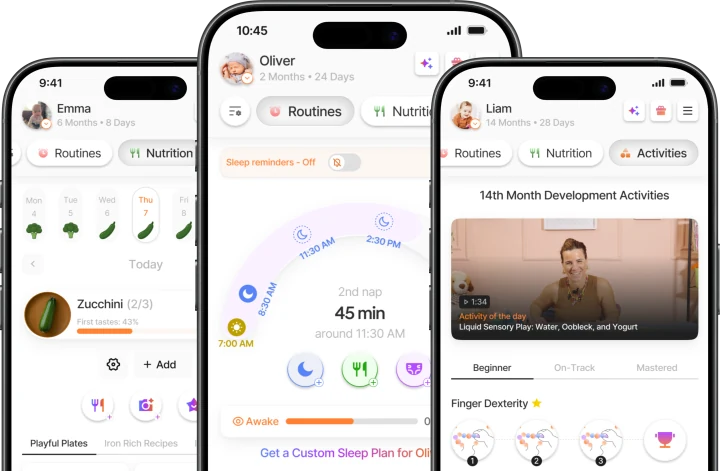
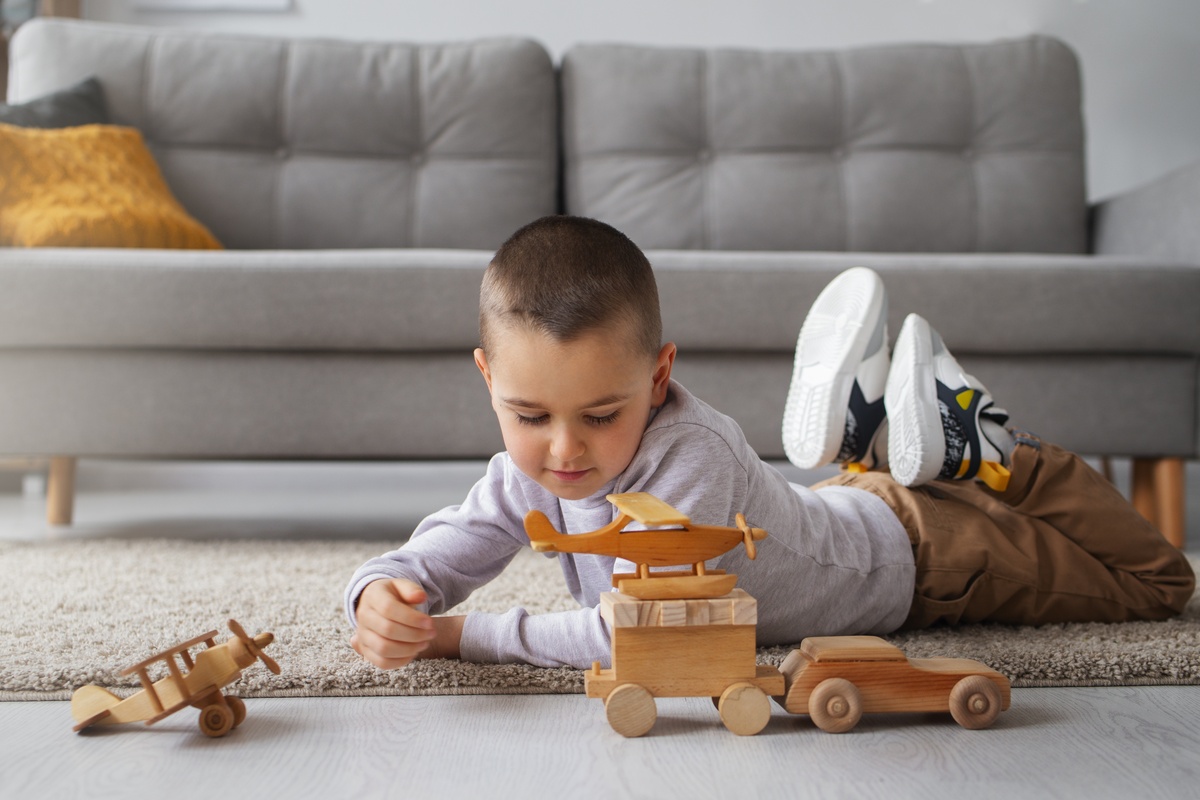
The movement, language, and symbolic-play stage from ages 1 to 3 is enriched by push-and-pull toys, simple blocks, and objects that encourage imitation. As children begin trying to walk, freedom of movement becomes especially important. Around 18–24 months, children typically begin moving into pretend play, imitating everyday life and assigning meaning to toys. At this stage, simple tools they can use with their imagination are more valuable than complex toys that play sounds on their own. Yuppo’s developmental analysis can assess not only whether your child performs a skill, but also how well they perform it. For example, you can receive a plan of activities using easy-to-find household materials at a level suited to symbolic play.
3–6 years: Imagination and social interaction
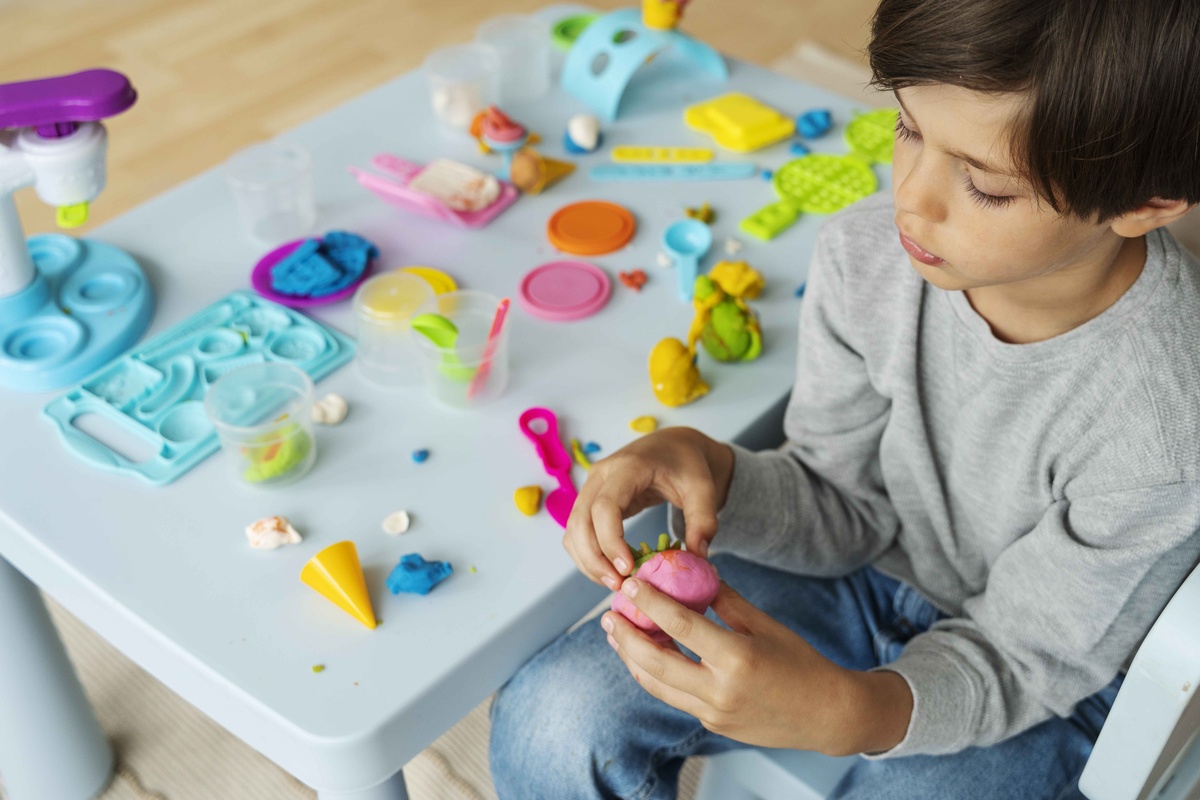
During the preschool years, from ages 3 to 6, imagination and social interaction develop through board games, art supplies, and complex building sets that children can use together. Play becomes more imaginative and often more interactive, with friends or parents joining in. For parents looking for toy recommendations for ages 0–6, dress-up clothes, play dough, and simple board games that teach taking turns are especially useful at this stage. Helping your child explore different types of play makes a lasting contribution to emotional and social skills.
Safety criteria to consider when buying toys
Toy safety involves smooth surfaces that help prevent physical injuries, sizes that cannot be swallowed, and materials free from chemicals that could threaten a child’s health. Choosing educational toys is important, but safety is just as critical. On a tiring day, it is easy to overlook details. Checking a few basics as part of every shopping trip can give you peace of mind. According to the World Health Organization (WHO), all materials children use should follow the manufacturer’s age-warning labels and be checked regularly for breakage and wear.
Material quality and certifications
Material quality and certifications are basic safeguards showing that a toy was made with nontoxic paints and successfully passed independent laboratory testing to international standards. For babies who put everything in their mouths, the contents of the paint on wooden or plastic toys are especially important. Standards such as the CE mark on product packaging indicate that the material meets health requirements.
Checking for small parts and choking hazards
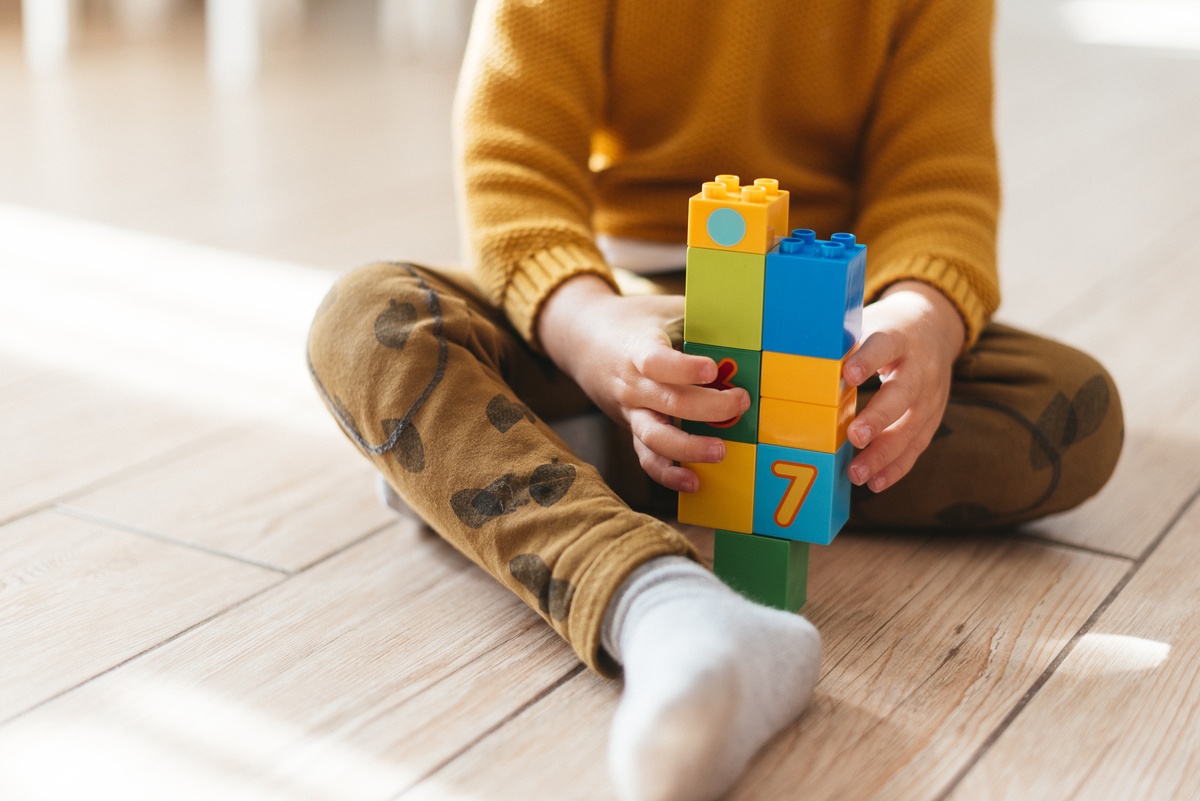
Checking for small parts and choking hazards means making sure toys for children under 3 do not contain pieces that could block the airway or break off easily. A practical method often used is the empty toilet-paper-roll test. Any piece that can pass through the roll’s cylinder is considered a serious hazard for children under age 3.
Open-ended toys and their effect on creativity
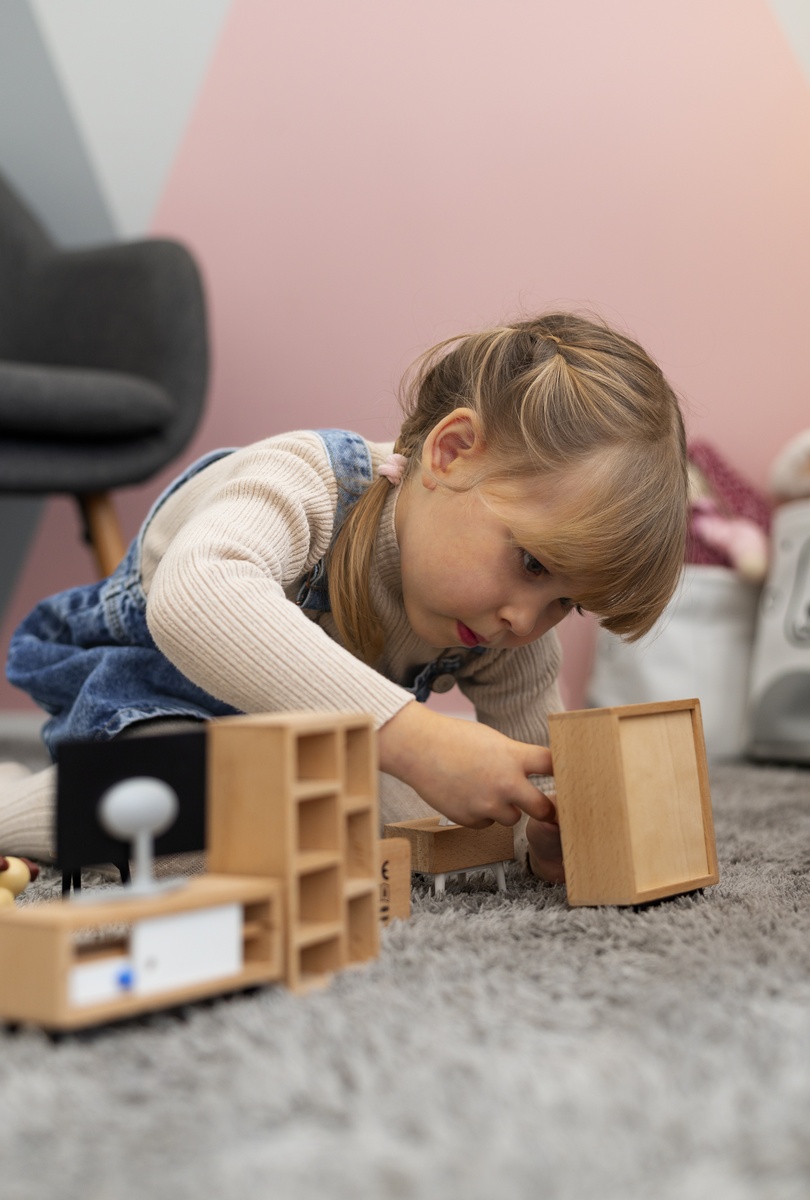
Open-ended toys are versatile play materials with no prescribed purpose. Through a child’s creativity, they can become something different each time. Educational philosophies such as Montessori and Waldorf favor materials like wooden blocks, empty cardboard boxes, and fabric pieces over toys that move on their own when a button is pressed. Open-ended play turns children from passive viewers into active creators. A simple wooden rainbow can become a bridge one day, a cradle the next, and a garage another day. This flexibility supports problem-solving skills and helps children play longer without getting bored.
When should you consult a specialist about toy selection and play?
If your child consistently seems unresponsive during play, shows clear disinterest in toys, or has difficulty using them because of motor skills, ask your pediatrician for advice. Every child may want to play alone sometimes or spend certain days simply watching instead of playing. These daily fluctuations are completely natural and should not cause concern. However, some signs during development may show that extra support is needed. Seeking professional support is not a shortcoming; it is reliable guidance for understanding your child better. During play, the parent’s role includes both joining the child and observing their needs accurately.
Summary and next steps
Consider the age range: Make sure the toy suits your child’s physical and cognitive abilities. This week, group the current toys by age and set aside those that are too challenging or too simple.
Make safety checks: Test for small-part risks, especially for children under 3. Set aside a few minutes today to remove toys that are broken, sharp, or peeling.
Make room for open-ended materials: Provide unstructured play materials so your child can use their imagination. Try creating a free-play corner with clean plastic containers or empty boxes from around the home.
Respect your child’s pace: Every child has different interests and areas of focus. Note which toys hold your child’s attention longest and use those observations for your next step.
When should you call the doctor?
If you notice one or more of the following, contact your pediatrician to understand the possible reason and get appropriate guidance:
Disinterest and lack of response: At 6–9 months, not reaching for objects placed nearby, not turning toward toys that make sounds, or not engaging with the surroundings.
Limited joint attention: Between 12 and 18 months, not lifting a toy to show it to you, not pointing, or usually not responding when called by name during play.
Difficulty developing play: After age 2½–3, using objects in a persistently repetitive way and not for their intended purpose—such as spinning a car’s wheel for hours instead of moving the car—or not engaging in pretend play.
Loss of motor skills: Noticing a decline in skills your child previously performed easily, such as grasping toys, banging objects together, or stacking them.
This content is for informational purposes only. Always consult your pediatrician for diagnosis and treatment.
Play is one of the most powerful ways for your baby to joyfully move through developmental milestones. But on busy days, thinking about which skills emerge at each month and how to support them with simple household materials can feel exhausting.
Yuppo’s expert-designed activity module lets you assess your child’s cognitive, physical, and language skills at an appropriate level. You can try free, practical video activity suggestions that match your baby’s current developmental level, using easy-to-find materials at home instead of purchased toys.
Frequently Asked Questions
What are the best wooden toys for different ages?
Wooden toys can generally be safe play materials for children of all ages when they have smooth surfaces and contain no harmful chemicals. In infancy, they can support sensory development. As children get older, durable wooden toys can remain useful as open-ended materials for play over many years.
Do toy age recommendations really matter?
Toy age warnings should always be taken seriously because they reflect safety standards for small parts that may cause choking and for chemical contents. Even if a toy seems appropriate for your child’s mental abilities, do not give it to a child in an age range excluded by the safety label.
Is it normal for my child to play with toys for only a few minutes?
Yes. Especially before age 3, short attention spans can make interest in a toy lasting only a few minutes completely normal. As children grow and begin creating their own stories with open-ended toys, their ability to focus will gradually lengthen at their own pace.
What should I look for in educational toys?
Look for a challenge level that matches your child’s age, toys that do not demand a single correct answer, and materials that allow different ways to play. Hands-on toys that respond to the child’s actions and build cause-and-effect understanding are more educational than toys that move on their own.
How many toys should a child have out at once?
Having about 5 to 10 toys available at once, organized by category, can make it easier for a child to focus. Rotating toys—putting some away and switching them weekly—helps familiar materials feel new and gives children more opportunities for deeper play.
Can electronic and sound-making toys affect development?
Electronic and sound-making toys may leave children in a passive viewing role, which can indirectly limit language and imaginative play. Because they do not require children to use their own voices, it is generally preferable for most playtime to involve quieter materials that respond to the child’s actions.
References

Yuppo Lab
Developmental Psychologist