School Readiness: Signs, Skills, and Gentle Preparation

This article is approved by Yuppo Lab Developmental Psychologist
Published: 13 August, 2026
Updated: 13 August, 2026
Key Takeaways
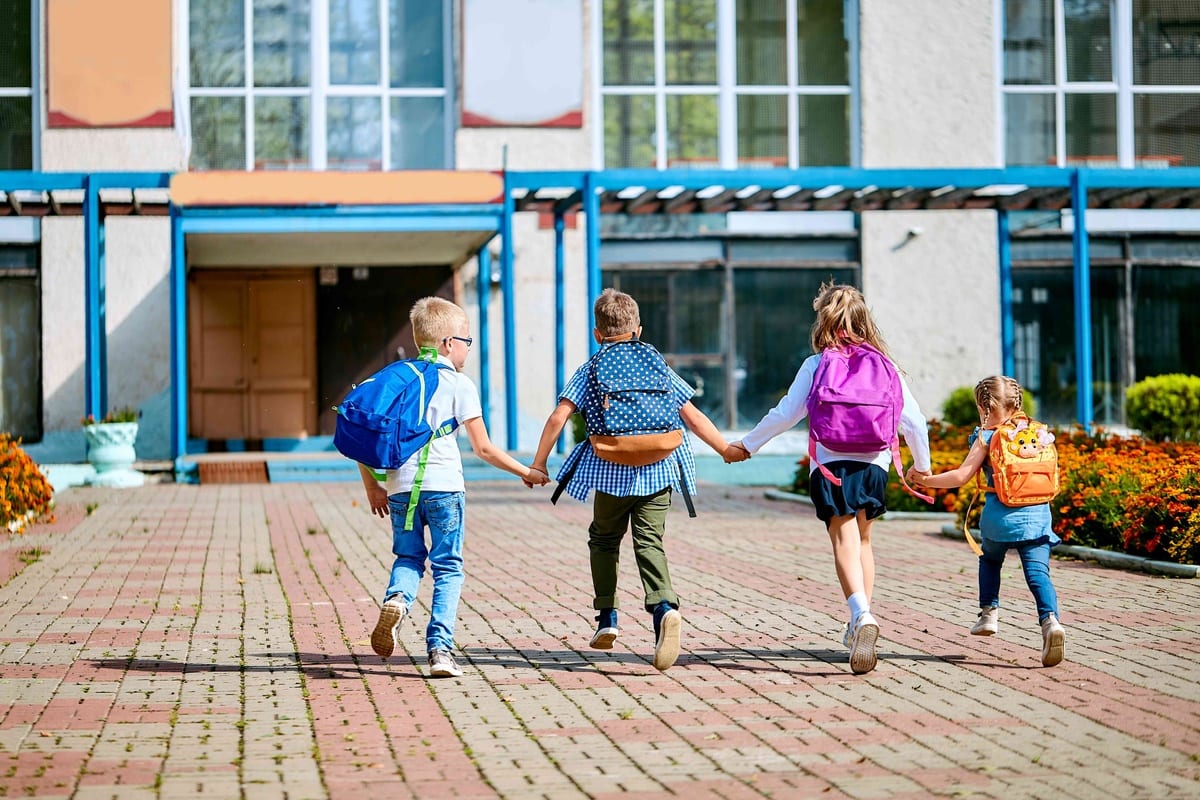
School readiness is a multifaceted adjustment process that typically develops gradually between ages 4 and 6, shaped by each child's individual pace.
Fine motor and self-care skills provide a more critical foundation than academic knowledge.
Daily routines and free play make it easier for children to adjust to school without pressure.
Being patient with children who experience school anxiety and visiting the school in advance can help the process move more smoothly.
School readiness means reaching a certain level of maturity before beginning formal education. It is a cognitive, physical, and social developmental process. It involves more than knowing letters; it also includes adapting to the classroom environment. This topic is especially important for parents of children ages 0 to 6, particularly those approaching preschool and elementary school. In this article, you'll learn about the core components of school readiness, the signs that show whether your child may be entering this stage, and how to offer caring support at home.


What Is School Readiness, and Why Does It Matter?
School readiness is the stage when a child is prepared to learn, follow rules, and communicate, helping education get off to a positive start. The concept includes a child's ability to take in new information, cope with frustration, and form a secure bond with their teacher. Recognizing letters mentally does not, by itself, mean that a child can adapt to the school environment.
Every child's developmental path is unique. A child who progresses quickly in one area may need more time in another. Although official standards set elementary school entry ages by specific months, biological age does not always develop in step with school maturity. For this reason, it is more helpful for parents to focus on their child's overall developmental picture.
The Difference Between Cognitive and Physical Readiness
Cognitive readiness includes attention span and comprehension, while physical readiness refers to bodily skills such as holding a pencil and managing self-care. These areas work together, but they may develop at different rates. For example, a child who can create complex stories in their mind may tire quickly while coloring because their finger muscles are not yet strong enough.
During the preschool years, children make sense of the world through play and experience rather than abstract concepts. Being physically active on a playground, climbing, and manipulating objects are therefore also important fuel for mental development.
Why Does School Maturity Affect Academic Success?
School maturity directly affects later academic success because it helps children focus while feeling safe in a learning environment. Children who receive support with preschool skills and develop age-appropriate social-emotional regulation tend to develop a natural curiosity about learning.
A child who can try again instead of having a meltdown when a block tower falls in the classroom develops resilience for academic challenges later on. How can you tell if your child is ready for school? The answer is often found in these small moments of resilience.
Developmental Signs That Your Child Is Ready for School
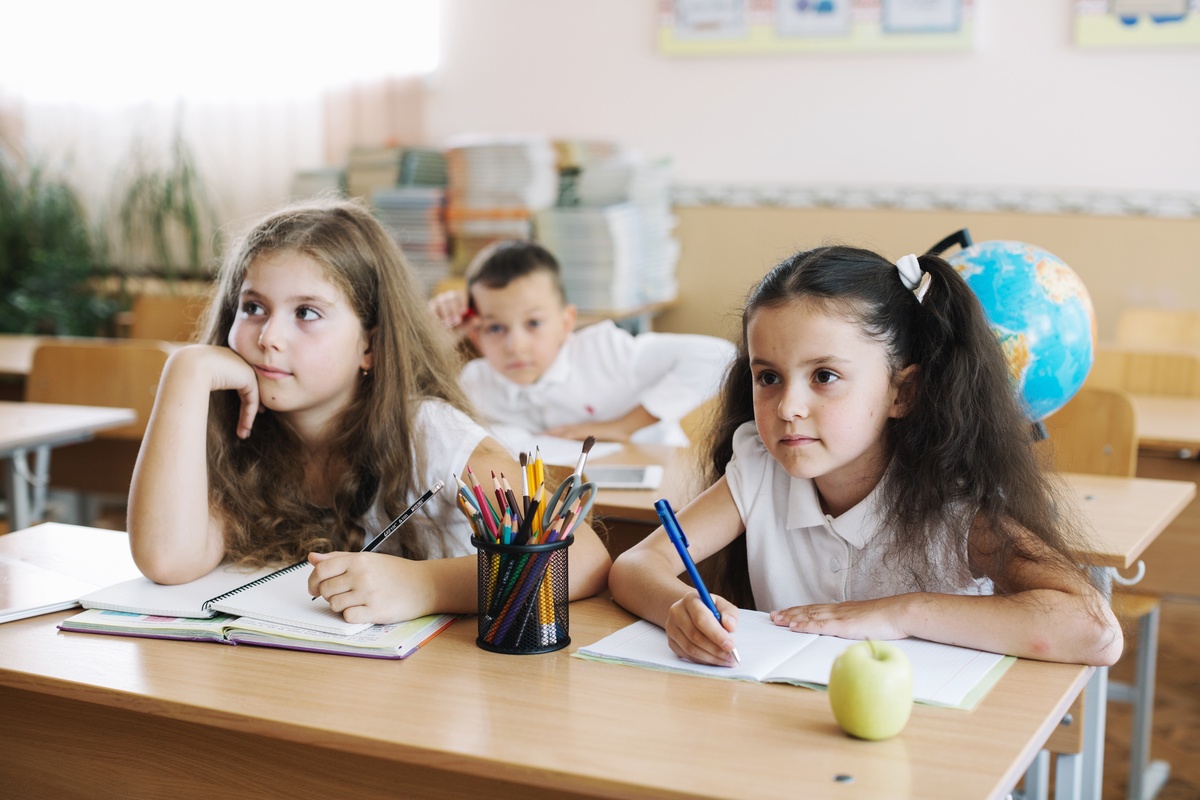
Signs your child is ready for school include being able to dress independently, follow directions, and stay calm during brief separations. The order in which children develop these signs can vary, so treat this list as a general observation guide rather than a test. Adjusting expectations to your child's nature can help prevent anxiety.
Some shy behaviors or stubbornness about certain topics are a natural part of development during this stage. When observing your child, it is important to look at whether they demonstrate skills independently most of the time, not just occasionally.
Essential Self-Care and Fine Motor Skills
Essential self-care and fine motor skills include using the bathroom independently, eating without help, and developing the hand skills needed to hold a pencil. School environments generally expect children to have gained some independence in these areas, allowing them to move with more confidence and a sense of control over their bodies.
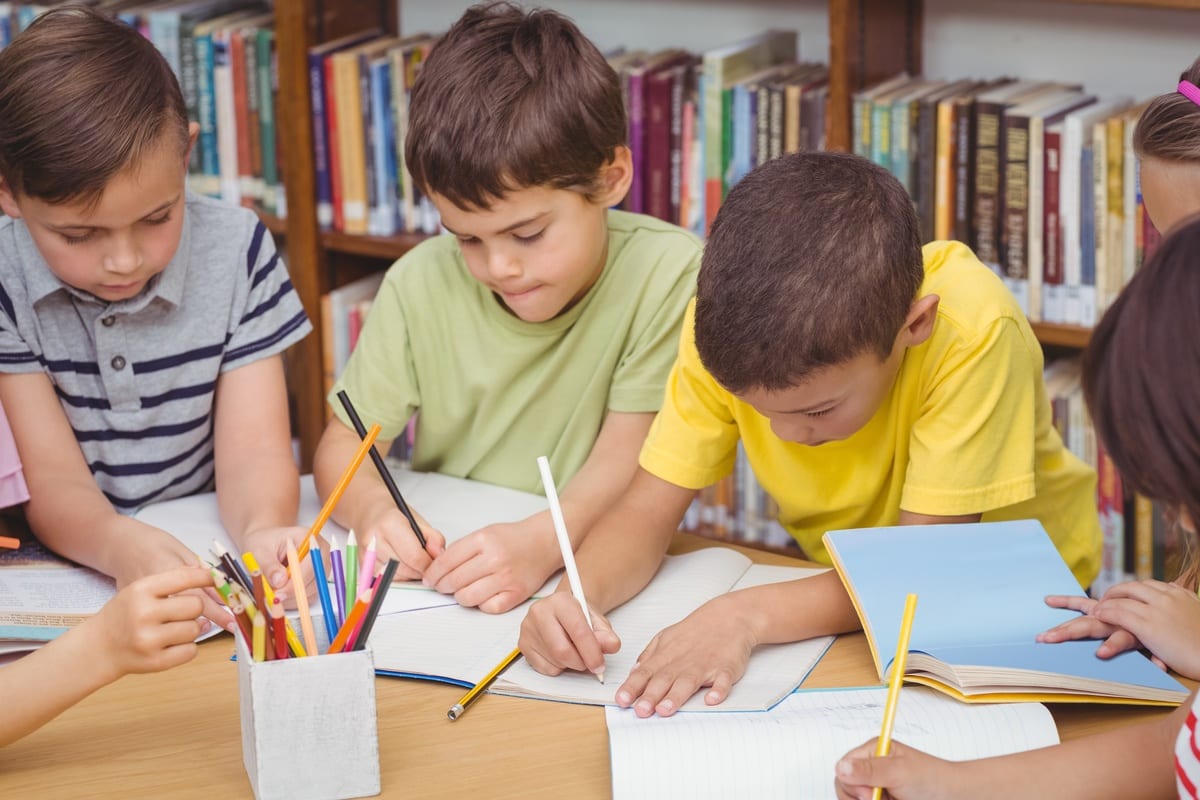
Most children gain daytime toilet control between ages 3 and 4, while fine motor skills such as buttoning usually mature between about 4.5 and 5.5 years. Drawing lines, kneading play dough, and stringing beads develop hand-eye coordination and create a strong foundation for writing at school.
Signs of Social Interaction and Language Development
Signs of social interaction and language development include expressing feelings with words, waiting for a turn, and following group rules at an age-appropriate level. These skills are central to school life because they help children understand their teacher and recognize their classmates' feelings.
Developmental Area | Skills Observable Between Ages 3 and 4 | Skills Observable Between Ages 5 and 6 |
|---|---|---|
Language Development | Uses simple sentences and understands what/who questions. | Describes complex events and uses why/how questions. |
Social Adjustment | Engages in parallel play (side by side but independently). | Engages in cooperative play and joins games with rules. |
Emotional Regulation | Seeks parental support when frustrated. | Tries to resolve simple conflicts and has a greater tolerance for waiting. |
Please remember that every child progresses at their own unique pace. These tables are not strict boundaries, but flexible road maps. There is no need to compare your child with peers or become anxious.
Practical Ways to Support Kindergarten Readiness at Home
Practical ways to support learning at home include creating routines, reading together, encouraging independent play, and giving children small responsibilities. Instead of planning perfect activities, doing everyday tasks together, such as folding laundry or setting the table, can develop hand muscles and sequencing skills. Different types of play provide an ideal setting for children to explore their mental and physical limits safely.
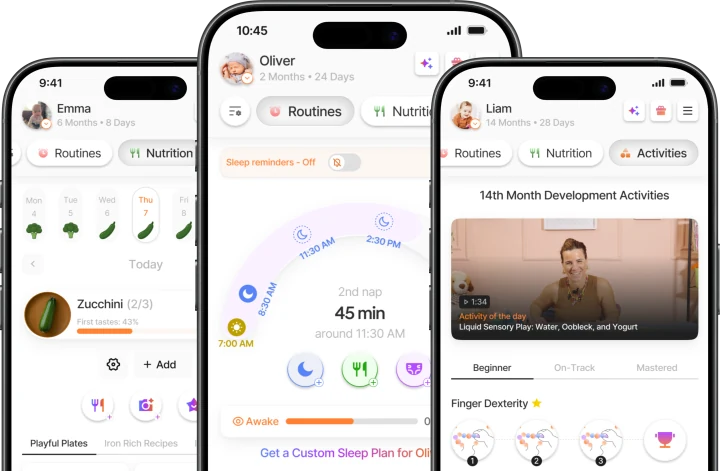
As you prepare your child for kindergarten and support school readiness skills at home, you can use the developmental analysis in the Yuppo app. This tool helps you assess not only whether your child can perform a skill, but also the level at which they perform it, then suggests activities with an appropriate level of challenge to make preparation more effective.
School Anxiety in Children: What Helps When They Start School?
School anxiety in children often comes from uncertainty or fear of separation, and visiting the school ahead of time can help ease it. A child's adjustment may be very smooth during the first few days, then turn into resistance once they realize school is a daily commitment. This kind of fluctuation is completely normal.
The American Academy of Pediatrics (AAP) recommends consistent, calm, and unhurried morning routines to help reduce separation anxiety on school days. Keeping goodbyes brief without minimizing a child's fears strengthens trust. A small family photo in your child's pocket can also serve as a comforting transitional object during school hours.
When Should You Consult a Specialist About School Readiness?
If you notice that your child is consistently withdrawing socially or that adjustment has continued for months, consult a child-development specialist. Specialists are not there to label a child's weaknesses; they help create a road map for providing better support at home or at school.
Sometimes a physical condition or a straightforward sensory-integration need may be making adjustment more difficult. Compassionate guidance from a specialist can be valuable in working through these challenges. Remembering that every child has their own time to blossom can also ease the weight you may be carrying.
Summary and Next Steps
Personalize expectations: Focus less on what your child cannot do and more on what they enjoy doing, and weave school preparation into play.
Encourage self-care: This week, give your child a little more time to fasten their shoes.
Talk about feelings: At dinner, practice expressing emotions with questions such as, "What made you laugh today? What made you angry?"
Make goodbyes predictable: Choose a brief, loving, but confident goodbye phrase for drop-off at school or preschool and repeat it every day.
When Should You Call the Doctor?
Some bumps during the adjustment process are generally normal. However, consider contacting a pediatrician or developmental specialist if you observe any of the following:
By age 5, your child still cannot express their needs with words or simple sentences clearly enough for unfamiliar people to understand,
Despite being toilet trained, your child has a regression involving bedwetting that lasts longer than 3–4 weeks between ages 4 and 5,
Separation anxiety during the transition to school lasts longer than 4 weeks and causes physical symptoms such as vomiting or severe stomach pain,
Between ages 4.5 and 5, your child consistently avoids or struggles physically with fine motor skills such as holding a pencil, stacking blocks, or using a spoon,
Persistent extreme irritability around peers or complete avoidance of eye contact has become a recurring pattern.
This content is for informational purposes only. Always consult your child's pediatrician for diagnosis and treatment.
Every step your child takes toward the school years brings its own beauty and challenges. Understanding which skills need support and choosing the right games at the right time can make your role as a parent much easier.
To track developmental milestones weekly and access physical, cognitive, or language-development activities created by specialists for your child's current level, try the Yuppo app for free. Its skills assessment tool can immediately create an activity plan suited to your child's developmental path and easy to do with materials you already have at home.
Frequently Asked Questions
When should my child take a school readiness assessment?
A school readiness assessment is generally given with professional guidance when a child's school-entry age is borderline or when a clear developmental delay is observed. It is not a required test for every child. Whether to use one depends on the child's individual situation and the concerns shared by the family or professionals.
What are the signs my child is ready for school?
You can look at everyday skills, such as using the bathroom and eating independently, following simple directions, and expressing needs and feelings. For school readiness, independence and social adjustment matter more than academic knowledge. Brief separations, taking turns, and joining group activities can also offer helpful clues.
What is the best age for starting preschool?
For preschool, the ideal age is often between 3 and 4, when a child begins showing interest in social play and can manage brief separations. However, the timing can vary depending on language development, temperament, family circumstances, and available care. There is no single starting age that fits every child.
How should I respond when my child refuses to go to school?
Respond with warmth without dismissing your child's feelings, then keep goodbyes clear and predictable. Choosing clothes together the night before and allowing a calm morning routine can reduce stress. A brief, loving goodbye repeated each day helps your child know what to expect without prolonging the separation.
What skills and experiences influence school readiness?
Key influences include rich language interaction at home, opportunities for free play, regular sleep, and a sense of secure attachment. A child's temperament and genetic traits also shape adjustment. Supportive daily routines and chances to practice self-care, communication, and emotional regulation can strengthen school readiness over time.
References
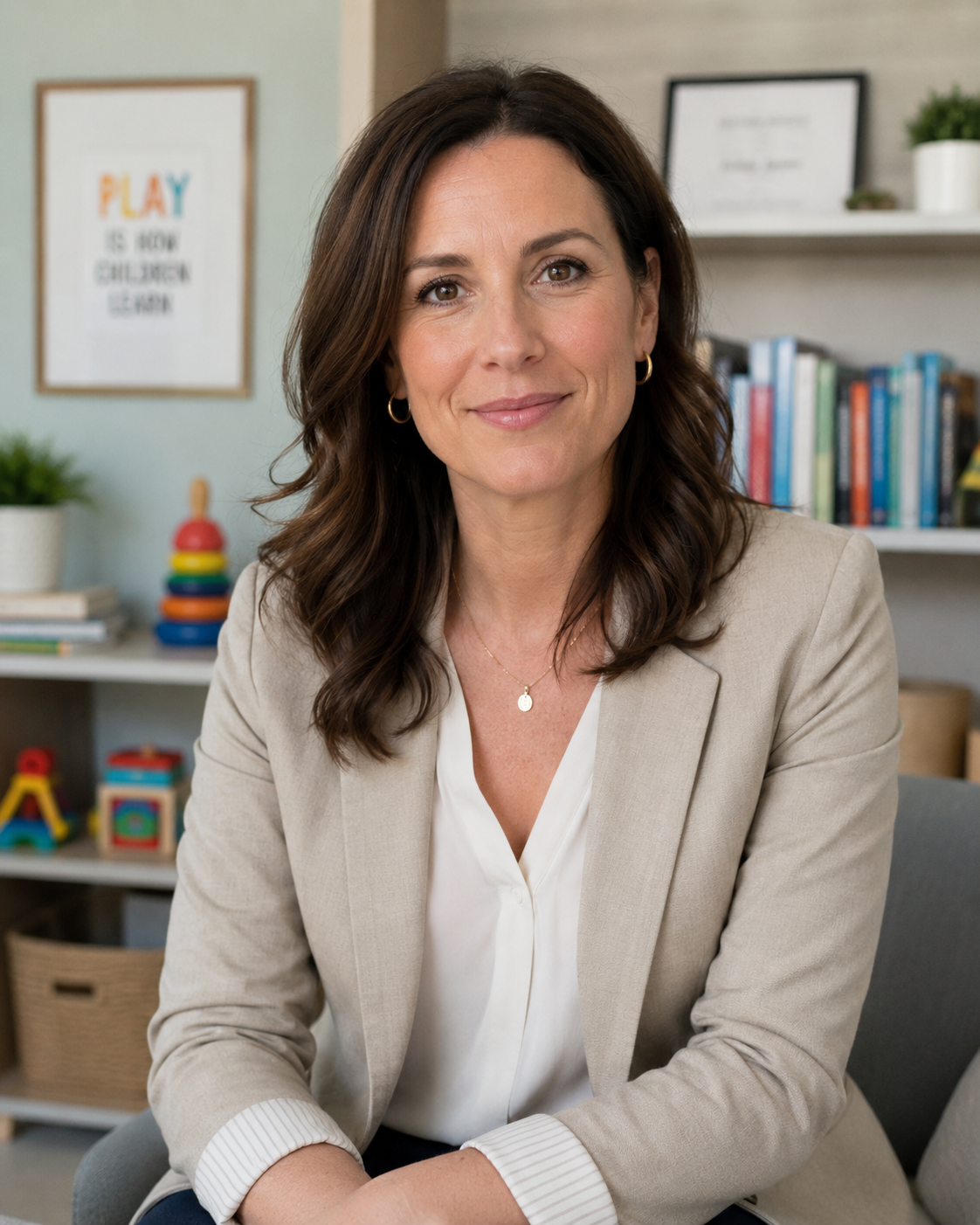
Yuppo Lab
Developmental Psychologist