How to Tell If Your Child Is Ready for School: What Should You Pay Attention To?

This article is approved by Çiğdem İrem İleri
Published: 08 April, 2026
Updated: 10 April, 2026
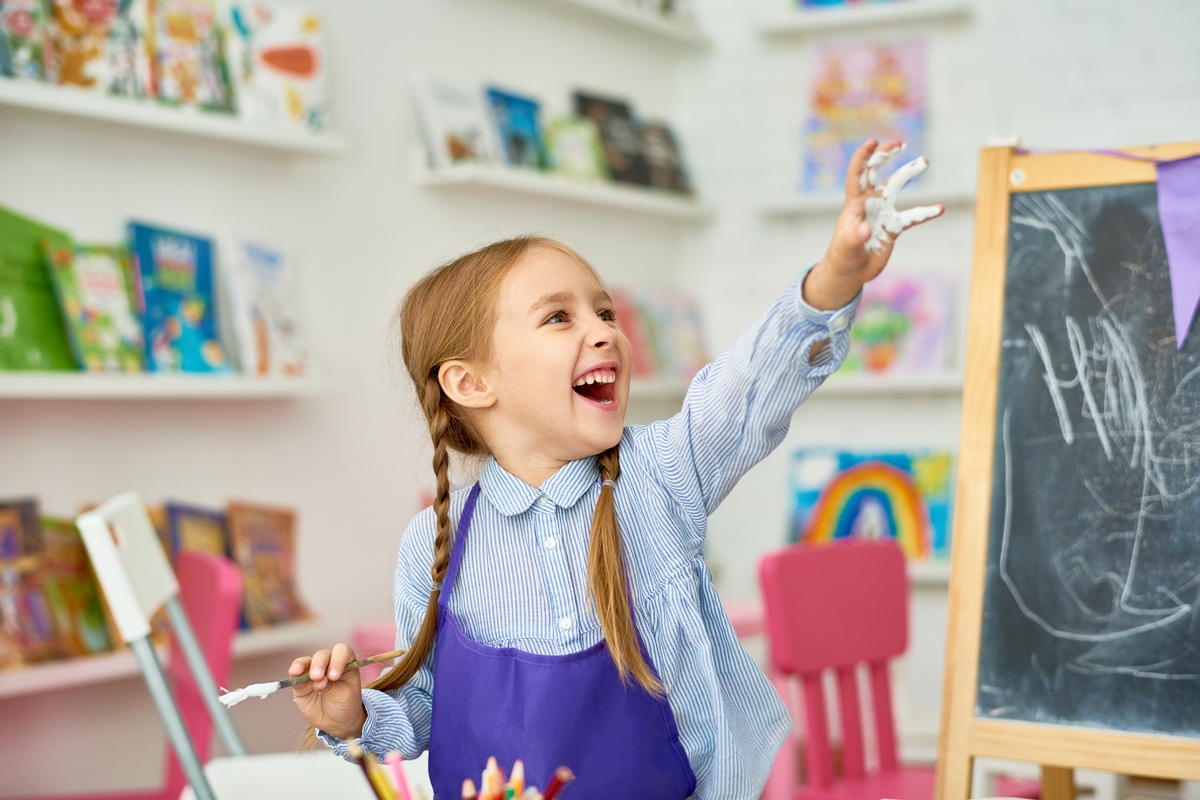
Your child starting school is an important milestone for both of you. Being ready for school is not only about having academic knowledge; it also requires reaching a certain level in many developmental areas such as social, emotional, language, motor skills, and independence. So, how can you tell if your child is ready for school? In this comprehensive guide, you will find detailed information about signs of school readiness, tips for the first day of school, and practical advice for parents.


What Are the Signs of School Readiness?
1. Social and Emotional Skills
Does your child enjoy interacting with other children? Can they share toys and understand taking turns? Social skills are very important in school life. Emotional stability, the ability to cope with new situations, and managing emotional responses are also key indicators of school readiness. Participating in group activities, forming friendships, and expressing emotions appropriately help children start school successfully.
2. Language and Communication Skills
An expanding vocabulary, the ability to form simple sentences, and expressing feelings indicate that your child’s communication skills are developing. Understanding others and responding appropriately is also crucial for effective communication in school. Storytelling, turn-taking in conversations, and sensitivity to others’ feelings are key components of communication.
3. Independence and Self-Care Skills
Before starting school, children are expected to meet some of their basic needs independently, such as dressing, eating, and using the toilet. They should also take responsibility for daily tasks like tidying up toys or washing hands after using the bathroom. These skills are critical for managing daily routines without constant teacher assistance.
4. Attention Span and Focus
School requires the ability to focus on a task for a certain period. Can your child stay engaged in an activity despite distractions? Being able to focus on tasks such as coloring or completing puzzles for 10–15 minutes is a positive sign for school readiness.
5. Motor Skills
Well-developed fine motor skills (holding a pencil, drawing, using scissors) and gross motor skills (running, jumping, climbing) support both academic and social participation. Activities like drawing lines or threading beads support fine motor development, while physical games like jumping rope or playing ball enhance gross motor skills.
6. Basic Academic Concepts
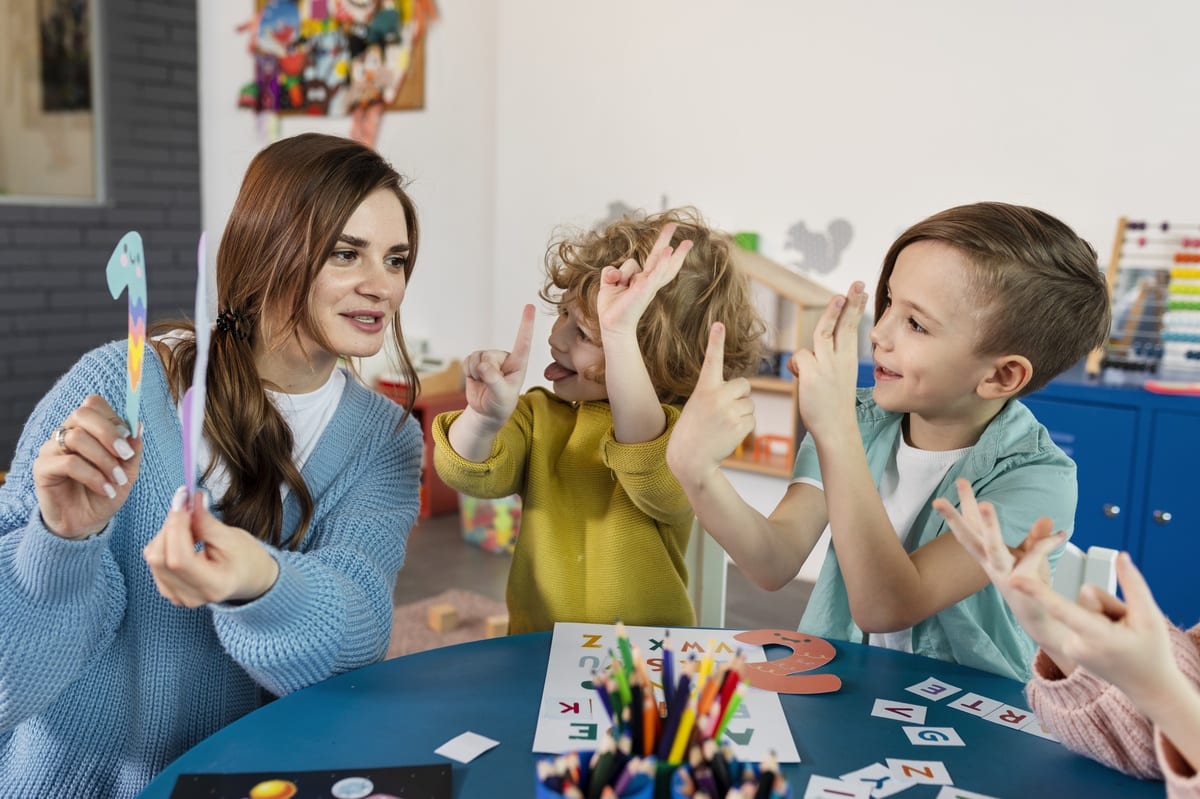
Before starting school, children are expected to recognize colors, basic shapes, some letters, and numbers. Understanding simple concepts like “bigger–smaller” or “same–different” indicates early math and reasoning skills and helps ease adaptation to academic content.
7. Cooperation and Problem-Solving Skills
Does your child enjoy group activities? Can they work with others toward a common goal? The ability to solve small problems independently and skills like sharing, negotiating, and taking turns play an important role in classroom interactions.
8. Interest and Curiosity About School Environment
Is your child excited when talking about school? Are they eager to make new friends and learn new things? A positive attitude toward school makes the transition easier and helps children adapt more quickly to classroom activities.
9. Early Literacy Skills
Interest in books and stories, understanding visuals, and participating in storytelling indicate early literacy development. If your child enjoys listening to stories and can retell them in their own words, this is a strong sign of school readiness.
What If You Think Your Child Is Not Ready for School?
Every child develops at their own pace. If you notice weaknesses in some areas, there is no need to panic—these skills can be supported over time. You can help your child by:
Including play-based learning activities in daily life
Reading storybooks to support language development
Doing simple tasks together (setting the table, making a shopping list) to build responsibility
Allowing your child to express their emotions
Encouraging participation in group activities (parks, preschool programs)
Even small steps in development can make a big difference over time. If needed, you can seek support from a child development specialist or psychologist.
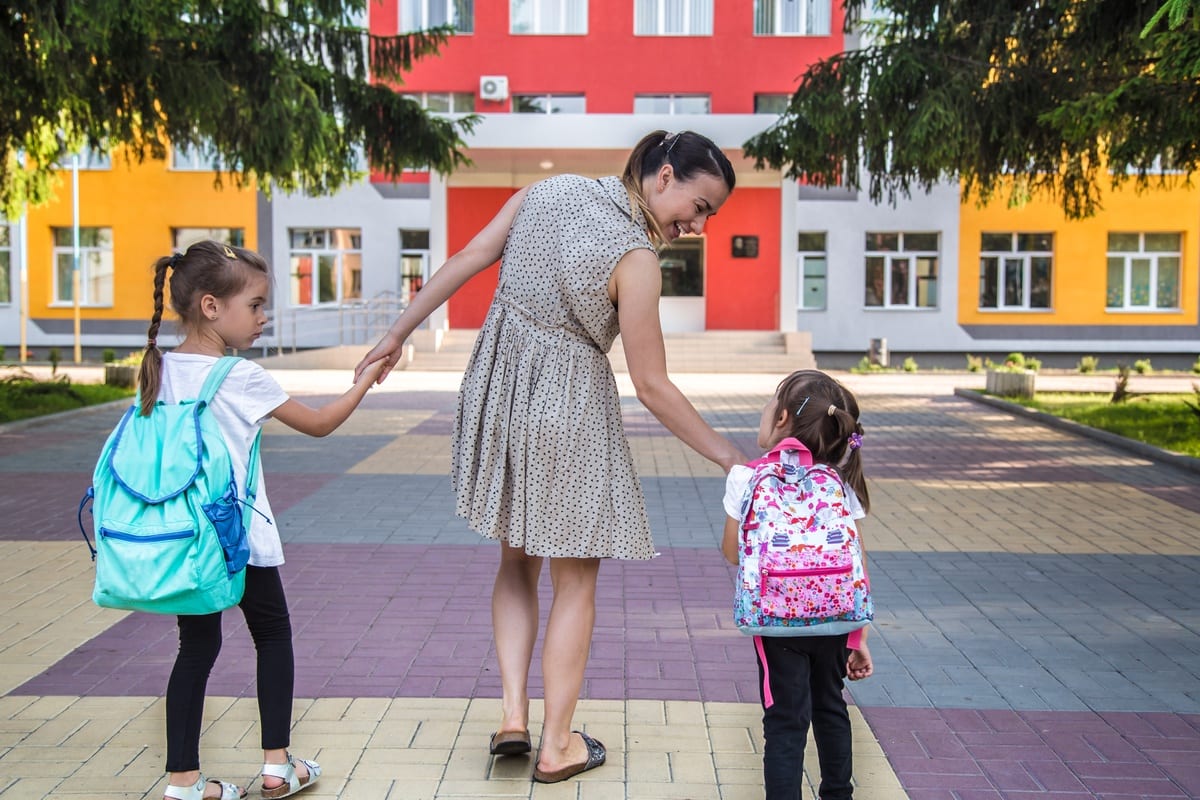
Tips for Parents for the First Day of School
1. Manage Your Own Emotions
Your child can easily sense your feelings. Staying calm and confident helps your child feel secure. Avoid projecting your anxiety onto them.
2. Answer Your Child’s Questions Seriously
Children may ask many questions before entering a new environment. Answering them patiently and honestly reduces anxiety and helps set realistic expectations.
3. Share Your Own Experiences
Sharing your own school memories helps your child feel understood. Focusing on positive experiences supports a positive attitude toward school.
4. Take a School Tour
If possible, visit the school before it starts. Seeing the classroom and meeting the teacher helps the environment feel more familiar.
5. Handle Separation Smoothly
Keep goodbyes short and reassuring: “I love you, I’ll pick you up after school.” Long, emotional farewells can increase anxiety.
6. Celebrate the First Day
Plan a small celebration after school, like going to the park or having ice cream. This creates positive associations with school.
7. Reflect on the Day
Ask your child about their day without pressuring them. Use open-ended questions like “What did you enjoy the most?” to encourage conversation and support emotional development.
Conclusion: Starting School Is a Journey
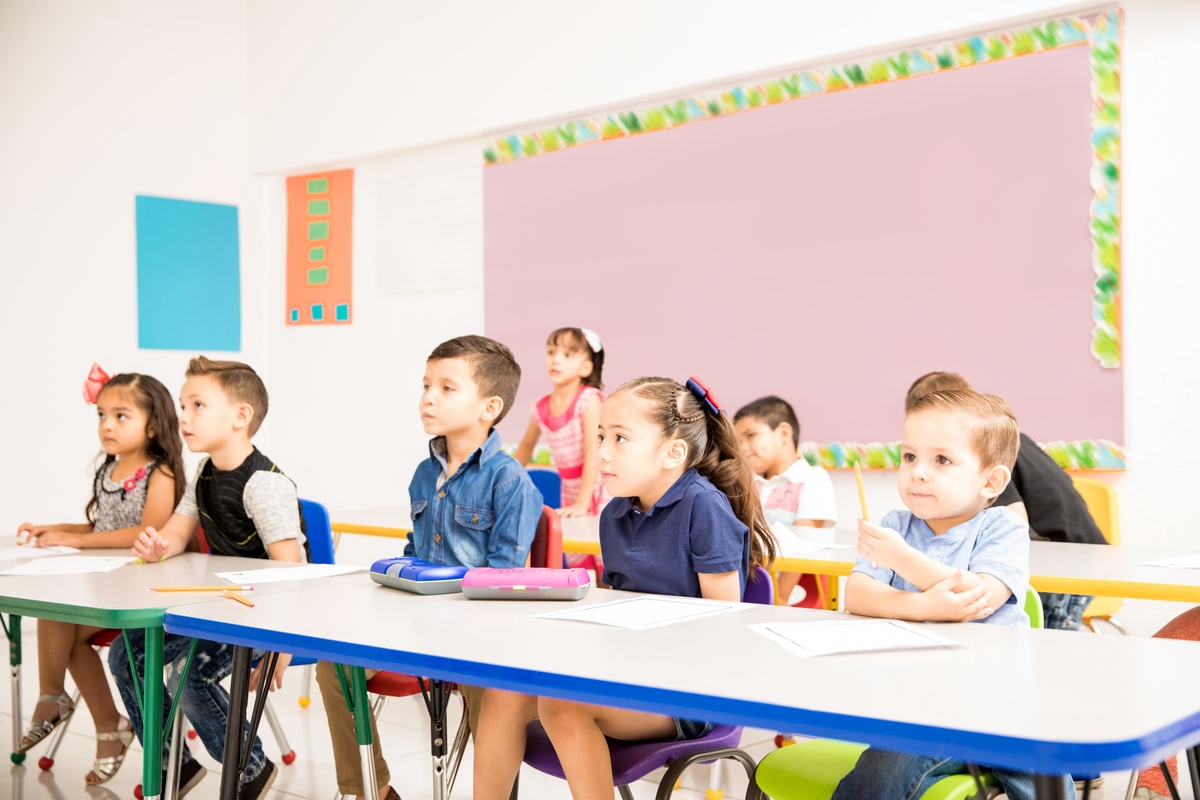
Evaluating your child’s readiness for school is an opportunity to support their individual development journey. Starting school is not only an academic step but also a social and emotional journey. Providing reassurance, valuing your child’s feelings, and supporting their development will guide them through this process.
Remember: Every child grows and learns at their own pace. The key is to approach this journey with love, patience, and understanding. With a supportive parenting approach, your child can start school both happily and confidently.

Dr. Çiğdem İrem İleri
Developmental Psychologist
After graduating from Koç University in 2019 with a double major in Psychology and Media and Visual Arts, alongside track programs in Design, Gender Studies, and Media and Management, Çiğdem İrem İleri began her integrated doctoral studies in Developmental Psychology at the same institution that same year.