Newborn Essentials Checklist: What You Really Need

This article is approved by Çiğdem İrem İleri
Published: 08 April, 2026
Updated: 19 August, 2026
Key Takeaways
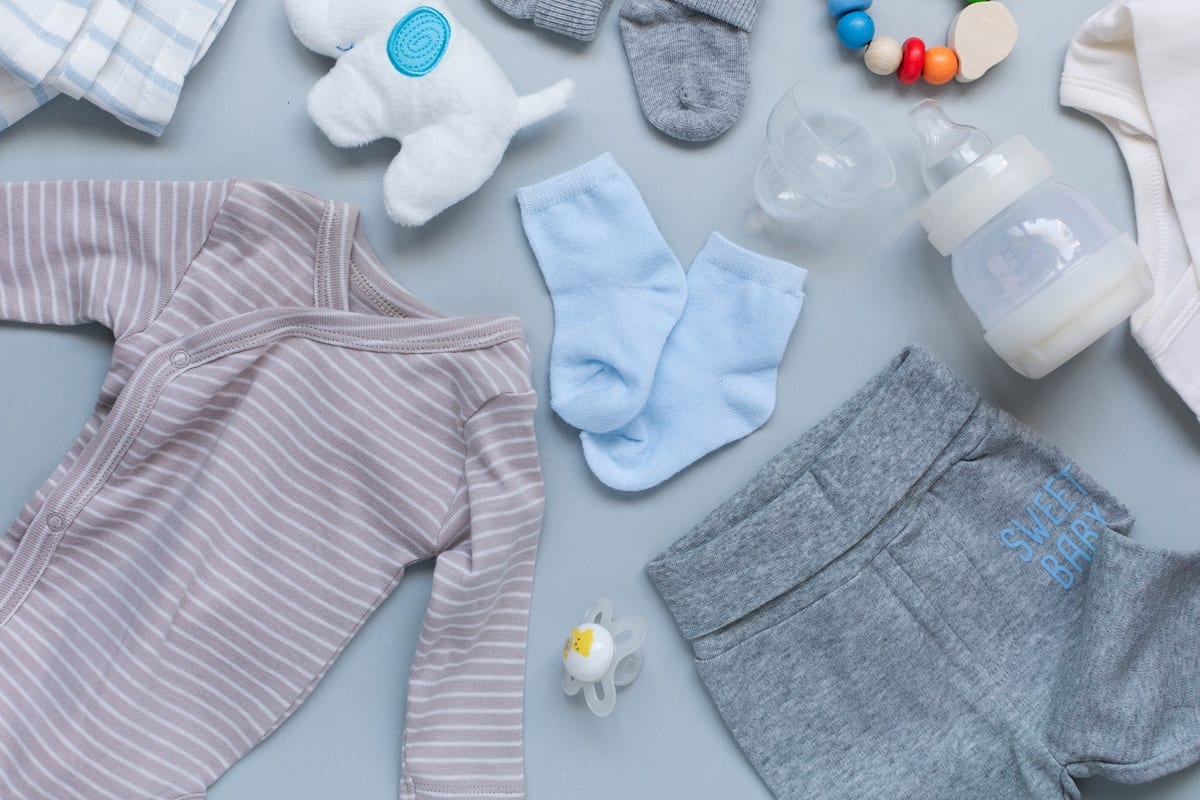
Prioritizing the basic clothing, feeding, and safe sleep equipment your baby will use most during the first three months makes newborn shopping easier.
When choosing clothes, organic cotton and certified fabrics can help reduce irritation. Six to eight onesies and sleepers are usually enough for the first few weeks.
For a safe sleep environment, use only a firm, flat mattress in the crib, without pillows, quilts, blankets, or toys.
When making your shopping list, focusing on muslin cloths and diaper rash creams used often in daily care, rather than large toys or walkers you will need later, can help you manage your budget.
A newborn essentials checklist is a practical plan covering the basic clothing, feeding, sleep, and care products your baby will need during the first months. When putting together a baby preparation list, it is completely normal to feel unsure among the hundreds of products on store shelves or wonder which ones are truly necessary. This guide was created to help expectant parents choose the most essential and safest items without unnecessary spending. As you read on, you will learn about textiles that keep your baby comfortable, ways to create a safe sleep space, and the everyday care supplies you will use most.


What Belongs on a Newborn Essentials Checklist?
The essentials for a newborn include safe, skin-friendly, practical products that meet your baby's feeding, sleep, hygiene, and clothing needs during the first months. Babies spend much of their first weeks sleeping and feeding, so function and comfort matter more than buying large quantities. Because spit-up and diaper leaks are common, choosing items that wash easily and dry quickly can make everyday life much easier. When preparing a complete baby list, keeping sensible backups based on how often each item is used is usually more helpful than buying dozens of everything.
Newborn Clothing Essentials
The most important factor when choosing clothing and textiles is selecting breathable cotton fabrics in seasonally appropriate sizes that will not irritate your baby's sensitive skin. Because a baby's skin barrier is thinner than an adult's, products with an Oeko-Tex Standard 100 certification, which aims to limit harmful chemicals in fabrics, can be a reassuring choice. During the first weeks, front-snap sleepers and envelope-neck onesies make dressing and undressing much easier for parents.
When planning the basic items for your newborn clothing essentials list, the following quantities can be a useful starting point:
Category | Essential Item | Suggested Amount (First 1–3 Months) |
|---|---|---|
Clothing | Envelope-neck, bottom-snap short- or long-sleeve onesies | 6–8 |
Clothing | Cotton sleepers with front or full-length snaps/zippers | 5–7 |
Care Textiles | Muslin cloths for nursing, drying, and covering | 8–10 |
This table shows average quantities intended to keep laundry manageable during the frequent clothing changes many parents experience in the first months. Every family's laundry routine is different, so you can adjust these numbers to suit your needs.
Newborn Feeding Essentials
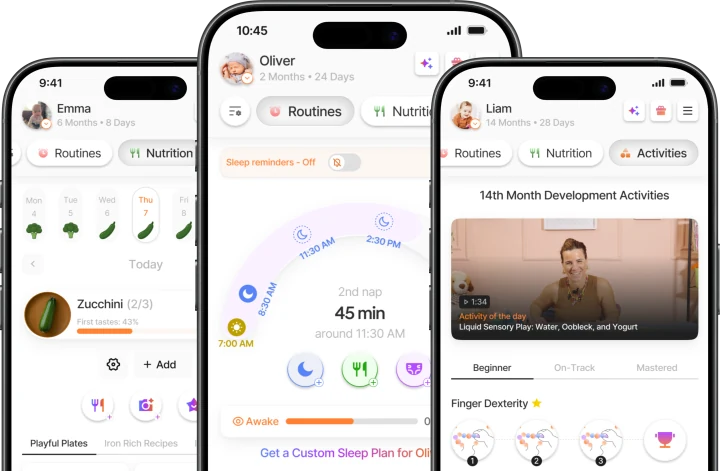
Newborn feeding essentials include breast pumps, slow-flow newborn bottles, nursing pillows, and creams that protect nipple health during breastfeeding or formula feeding. World Health Organization (WHO) recommends exclusive breastfeeding for the first six months of life. To improve comfort during this period, nipple creams containing pure lanolin (check for allergens) and storage bags for safely storing breast milk are useful additions to a shopping list. As your feeding routine settles, you can record how often and how much your baby feeds, as well as how long your baby nurses on each breast, in the Yuppo app. Its manual time-entry feature makes it easy to follow your baby's feeding rhythm day by day. When formula is needed, slow-flow bottle nipples with anti-colic features may help minimize swallowed air.
Baby Room and Sleep Supplies
Newborn safe sleep essentials include a firm mattress that supports your baby's spine, breathable cotton fitted sheets, and sleep sacks with a TOG rating suited to the room temperature. Baby room needs can seem complicated during the first months, but the priority is creating a safe, simple space. Instead of thick quilts or large blankets, wearable sleep sacks help maintain a comfortable body temperature overnight without placing loose bedding over your baby.
Safe Sleep Environment and Furniture
A safe sleep environment means using a crib that meets current safety standards and keeping pillows, quilts, bumpers, and soft toys out of it. The American Academy of Pediatrics (AAP) strongly recommends placing babies on their backs in their own crib to reduce the risk of sudden infant death syndrome (SIDS). The crib slats should be narrow enough that your baby's head cannot pass through, and the mattress should fit snugly against the crib sides without gaps. When planning age-appropriate sleep times, you can use month-by-month baby sleep guidance to set expectations based on your baby's individual development.
Newborn Bath Essentials and Care Routine
Newborn bath essentials include tear-free, fragrance-free shampoo, body lotion with simple ingredients, a baby tub with temperature markings, and barrier creams to help prevent diaper rash. When choosing baby bath products, checking that they are free of dyes, alcohol, and parabens can help protect your newborn's sensitive skin. Many experts recommend bath water at around 37–38°C (98.6–100.4°F) and limiting baths to 5–10 minutes so your baby does not get cold. Gentle touches while moisturizing after the bath can help your baby relax. Baby massage techniques may also ease gas discomfort and strengthen the bond between you.
Common Newborn Shopping Mistakes
Common mistakes include buying too many small-size clothes for the first months, spending your budget on large toys that will not be used yet, and choosing products without safety certifications. Babies grow quickly during the first three months, so newborn-size (0–1 month) clothes often become too small within a few weeks. Instead of stocking up on everything, buy items as needed and choose some clothes in the next size up (0–3 months). Electronic devices such as sterilizers and bottle warmers may not fit every family's feeding routine, so it can be useful to wait until your baby's routine is established before buying them.
When Should You Ask a Professional About Baby Gear?
You should ask your pediatrician about baby gear if your baby has unusually sensitive skin, shows allergic reactions, or needs a specialized feeding routine requiring medical support. A standard newborn shopping list works for many babies, but professional guidance is important when your baby's individual needs become clear. For example, choosing a prescription or medically indicated cream for eczema-prone skin, or an allergy formula instead of a standard formula, should be decided with a clinician.
Summary and Next Steps
Buy basic clothing: Get 6–8 front-snap cotton onesies and sleepers to make the first weeks easier, and avoid spending too much on newborn sizes.
Prepare the sleep space: Make sure your baby's crib contains nothing besides a firm mattress and fitted sheet—not pillows, toys, or thick quilts.
Pack a care station: Keep fragrance-free shampoo, a barrier diaper rash cream, and plenty of muslin cloths within reach for diaper changes and after baths.
Set up a feeding station: If you are breastfeeding, prepare nipple cream and a nursing pillow. If you are formula feeding, have slow-flow bottles ready to make feeding times more comfortable.
When Should You Call the Doctor?
Regardless of which baby-care products you use, contact your pediatrician promptly if you notice any of the following signs in your baby's general health:
A rectal temperature of 38°C (100.4°F) or higher in a baby younger than 3 months. An underarm reading is less accurate and is used for screening.
A sudden, widespread red rash or blisters after contact with skin-care products or clothing that do not fade when pressed.
Repeated projectile vomiting or completely refusing breast milk or formula.
A noticeable drop in wet diapers, such as fewer than 3 wet diapers in 24 hours.
明显 chest retractions while breathing, grunting, or bluish discoloration around the lips.
This content is for informational purposes only. Always consult your pediatrician for diagnosis and treatment.
Feeling tired and finding it difficult to keep up with daily routines during the first months with your baby is completely normal. By entering your baby's morning wake-up time in the Yuppo app, you can see personalized nap and nighttime sleep times calculated according to your baby's age, individual habits, and daily sleep needs. These time ranges can make it much easier to plan your day.
Frequently Asked Questions
When should I start shopping for my newborn?
Most parents begin newborn shopping between 24 and 32 weeks of pregnancy, when the expectant parent can still move around comfortably and finish preparing for unexpected situations. This timing helps ensure that the basics are ready in case of an early delivery while leaving enough time to compare prices and choose products carefully.
How many newborn onesies and sleepers do I need?
For the first weeks, 6–8 bottom-snap onesies and 5–7 sleepers are usually enough, depending on how often you do laundry. Babies grow quickly, so keep 0–1-month clothing to a minimum and invest more in breathable cotton pieces in the 0–3-month size.
How should I wash newborn clothes before using them?
Wash newborn clothes before first use with a fragrance-free, enzyme-free, hypoallergenic baby detergent, following the care label's temperature instructions. Rinse them thoroughly and skip fabric softener. This helps remove manufacturing dust and residue that could otherwise irritate your baby's sensitive skin.
What do parents most often forget to pack in the hospital bag?
Frequently forgotten hospital-bag items include lip balm, a long charging cable, comfortable slippers for the support person, a bag for dirty laundry, and extra nursing pads for the mother. Because attention naturally centers on the baby, these small details that help parents stay comfortable are easy to overlook.
Which baby products should I avoid buying secondhand?
Avoid buying car seats, crib mattresses, bottle nipples, and breast pump parts secondhand because of safety and hygiene concerns. A car seat may have hidden damage from a previous crash or may have passed its expiration date. You may also be unable to verify the item's full history or cleaning conditions.
What is the most accurate thermometer for a newborn?
For babies younger than 3 months, a digital rectal thermometer provides the most accurate temperature reading when used correctly. An underarm thermometer can be used for screening, but it is less accurate. Contact your pediatrician for guidance on taking a rectal temperature, and do not rely on forehead or ear readings alone if your baby may have a fever.
References

Dr. Çiğdem İrem İleri
Developmental Psychologist
After graduating from Koç University in 2019 with a double major in Psychology and Media and Visual Arts, alongside track programs in Design, Gender Studies, and Media and Management, Çiğdem İrem İleri began her integrated doctoral studies in Developmental Psychology at the same institution that same year.