A study published in Nature Communications found that 9-month-old babies picked up word patterns from a video speaker only when her eyes were fully visible. Researchers used electroencephalography (EEG) to measure neural synchrony between the speaker and infants from the UK and Singapore, offering clues about how babies learn language from faces.
What did the study find about eye contact and baby language development?
Babies learned patterns in a made-up language only when the speaker's eyes were uncovered. The researchers tested three gaze conditions, placing clear, dark, or fully opaque glasses on the same speaker, and only the full-gaze condition produced significant word learning.
Visual attention to the screen did not differ across the three conditions, the study also showed, meaning that watching intently was not enough on its own. What predicted learning was adult-to-infant neural synchrony measured by EEG, which also mediated the link between visible eyes and word acquisition. An earlier study had already shown that direct gaze strengthens neural synchrony between adults and infants. Together, these studies add to our picture of early speech development and the social signals behind it.
How was the study designed and what are its limits?
Forty-seven infants averaging about 9.4 months old from the UK and Singapore watched pre-recorded videos while EEG recorded their brain activity. Adult-to-infant neural synchrony explained roughly 25% of the variance in learning, and the effect held across both cohorts with no significant difference, suggesting this aspect of 9-month-old development may be consistent across populations.
The sample was relatively small (47 for behavior, 42 for EEG), and the pre-recorded format made the design one-directional, so results may not fully apply to everyday conversation, the authors note. A 2003 study found that 9-month-olds learned from live speakers but not from recordings, a gap often called the video deficit effect. The new study does not contradict that; it isolated one social cue, visible eyes, within a controlled setting.
What does this suggest for 9-month-old language development at home?
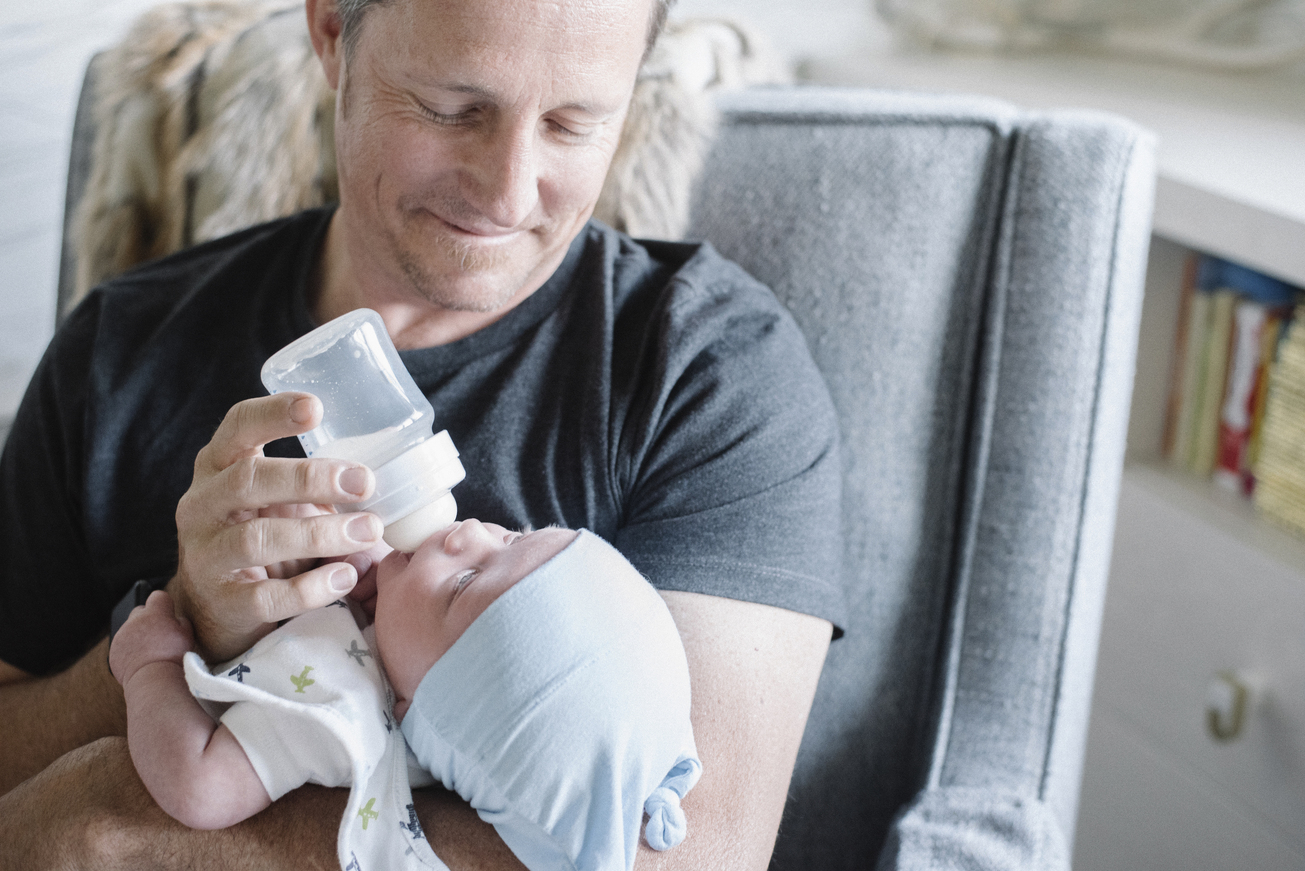
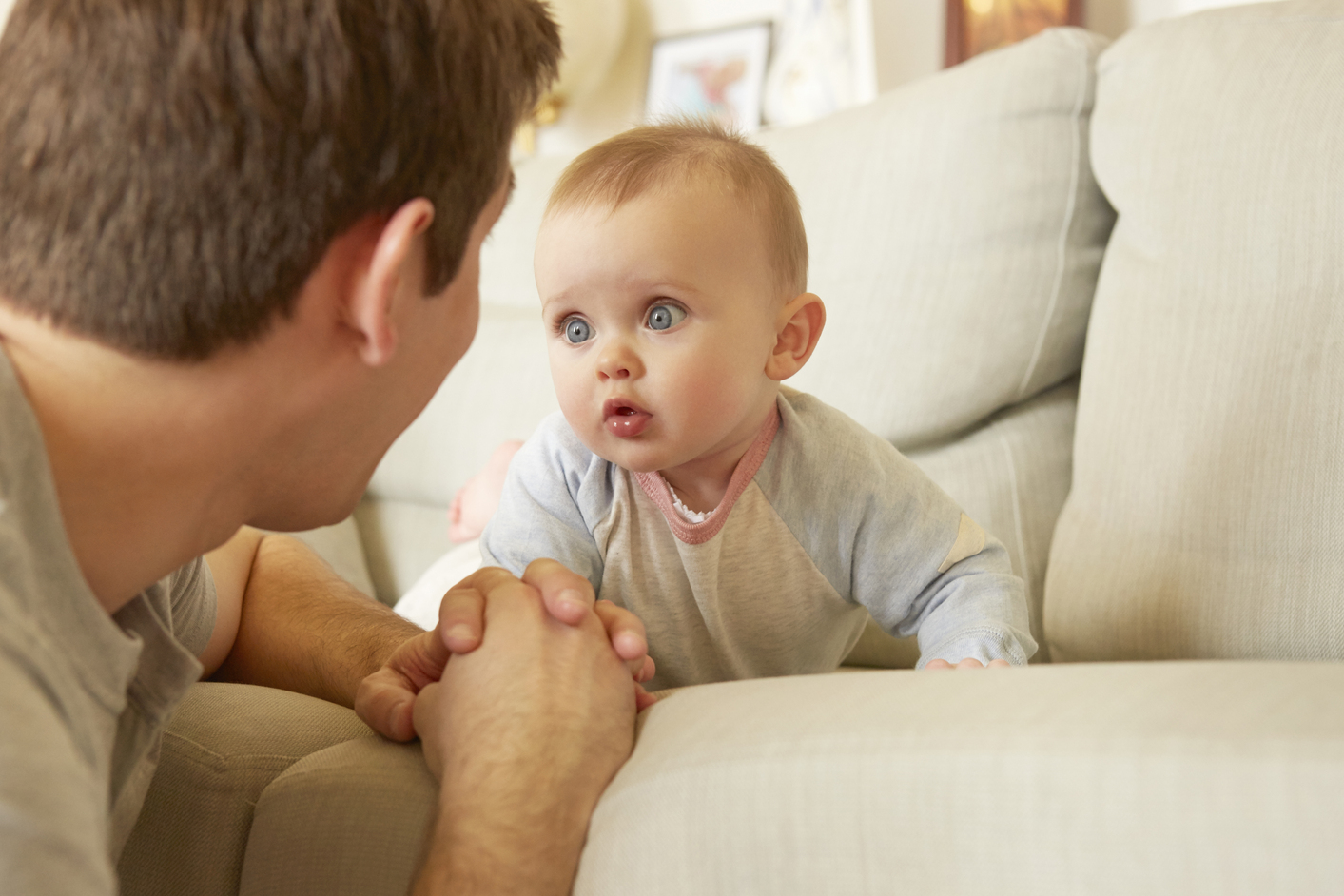
Your voice paired with eye contact likely supports how your baby processes language around 9 months. Babies typically make sounds like "mamamama" and "bababababa" by this age, and the Centers for Disease Control and Prevention (CDC) recommends repeating those sounds and adding simple words.
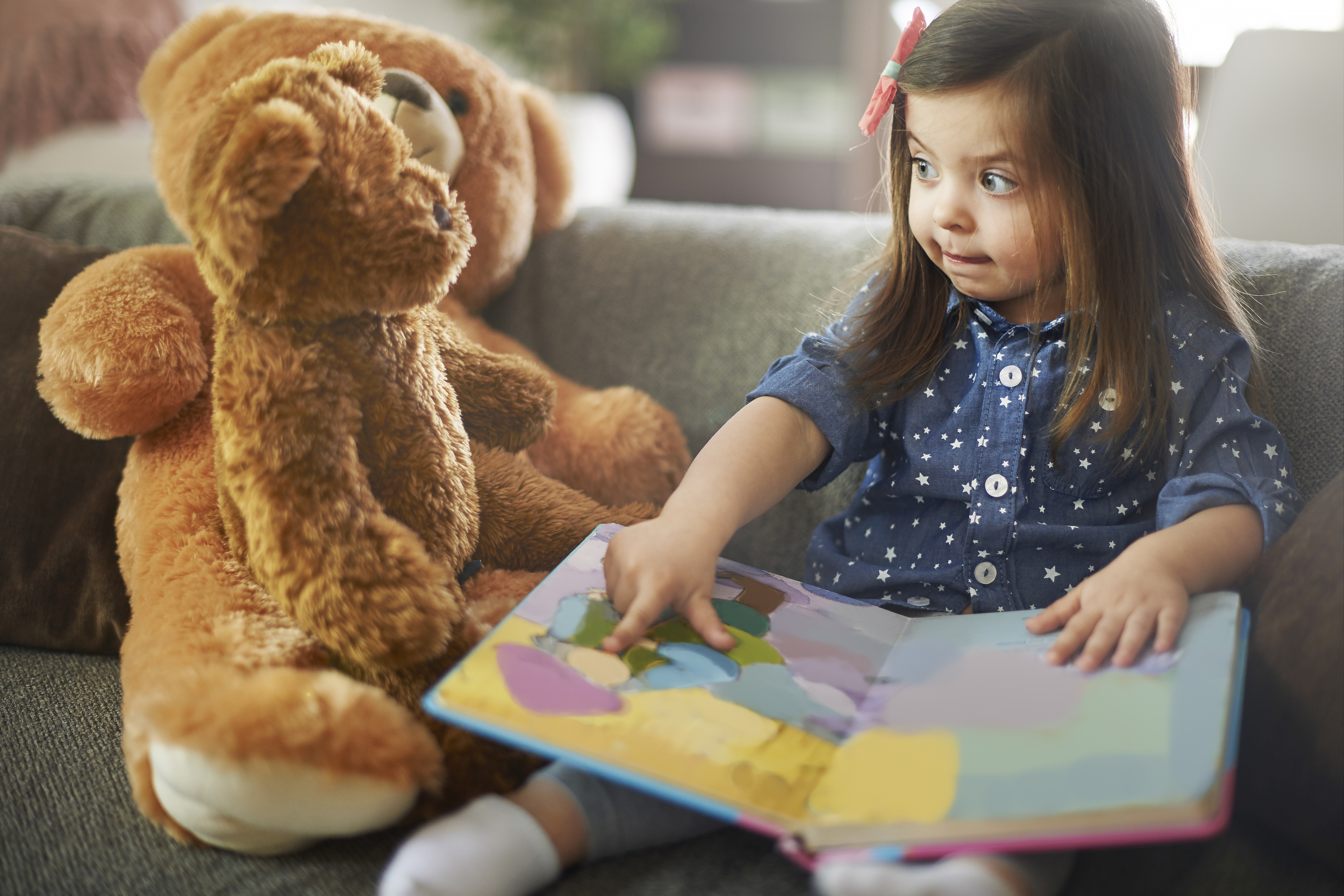
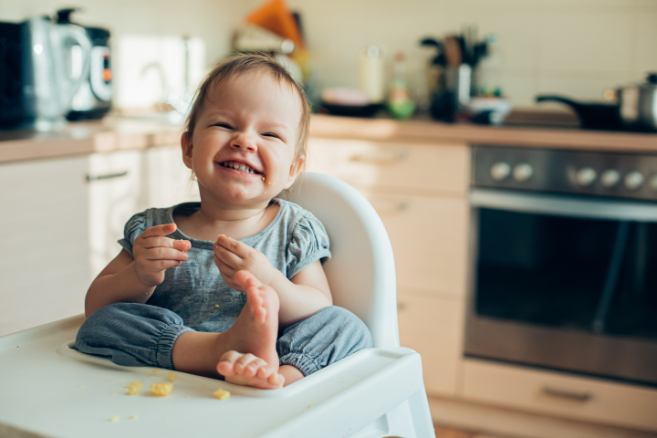
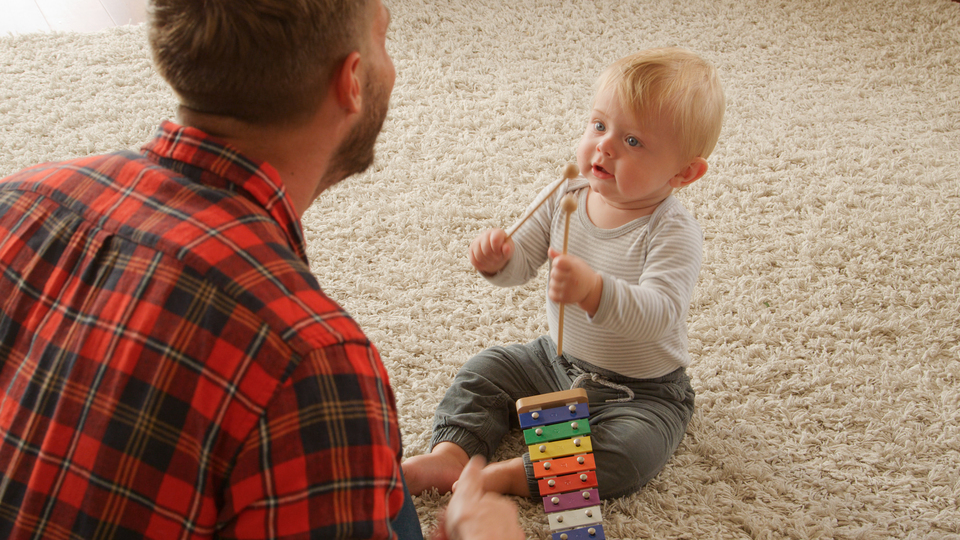
Try kneeling to your baby's eye level at snack time and narrating what they reach for: "You want the banana! Banana." The American Academy of Pediatrics (AAP) encourages describing daily routines and reading picture books to build understanding. In Yuppo, entering your baby's birth date generates weekly activity suggestions, including language play ideas suited to this stage. Every baby develops at their own pace, so enjoy these small exchanges.
Conclusion
Visible eyes appear to help babies tune into language by strengthening neural synchrony, but this was a single small study using recorded video rather than live interaction. Larger studies with live, two-way conversation may clarify how much visible gaze matters in everyday moments with your baby. Because this is one study, discuss any concerns about your child's speech with your pediatrician.
Read more: Toddler Speech Delay: Signs, Milestones, and How to Help
This content is for information only; always consult your pediatrician for diagnosis and treatment.
Remembering which new sounds your baby made this week gets hard when days blur together. In Yuppo, you can follow expert-prepared developmental milestones week by week and see which communication steps are on the horizon at your baby's age.

Frequently Asked Questions
No, this controlled lab experiment does not support screen time for baby language development. A 2003 study found that 9-month-olds learned from live speakers but not from recordings. The CDC recommends no screen time for children under 2, because babies learn best through live interaction.
Visible eyes appear to signal that speech is directed at your baby, boosting neural synchrony between the speaker and your infant's brain. According to the Nature Communications study, neural synchrony rather than visual attention alone predicted whether babies absorbed new word patterns.
Repeating your baby's babble and adding simple words supports early language growth around 9 months, the CDC suggests. Narrate what you see during meals, bath time, and play, making eye contact when it feels natural. Every baby develops at their own pace, so enjoy the conversation.