Key Takeaways
Kindergarten readiness skills span social-emotional, language, early math, and physical abilities that most children build gradually between ages 3 and 5.
Your child does not need to read before starting school; recognizing a few letters and enjoying stories is a strong foundation.
Play-based home activities develop preschool readiness skills more effectively than academic drills or worksheets.
Readiness assessments are designed to guide classroom instruction, not to decide who gets into kindergarten.
If your child will soon be entering kindergarten, you are probably wondering which skills truly matter and how to know whether they are in place. Kindergarten readiness skills are a blend of social, language, math, and self-care abilities that grow through everyday play and conversation. Whether your child already loves counting everything in sight or still warms up slowly in group settings, this article walks you through each developmental area, shares a practical kindergarten readiness skills checklist, and offers simple activities you can start at home this week.

What are kindergarten readiness skills
Kindergarten readiness is a combination of social, emotional, cognitive, and physical abilities that children typically build between ages 3 and 5. The American Academy of Pediatrics (AAP) stresses that readiness involves far more than academics and that a child's social, emotional, and behavioral skills are equally critical to school success. You can explore additional school readiness topics for broader context.
In the first few years of life, more than one million neural connections form each second, according to UNICEF. That rapid brain growth powers every kindergarten skill your child builds through talking, playing, and exploring. A child who can ask for help when frustrated, count snack crackers, and zip a coat is already developing readiness across several domains at once. Because children reach these abilities at varying ages, no single birthday guarantees readiness.
The core domains include:
Language and early literacy
Math and logical thinking
Social-emotional skills
Physical coordination and self-help
Why readiness matters more than your child's birthday
Meeting a school-district age cutoff alone does not predict how well your child will thrive in a kindergarten classroom. The AAP points out that children develop the psychological and social skills needed for school at varying ages, not at a fixed point. Communication, comfort around peers, toilet training, and physical coordination all carry weight alongside age.
Research cited by the AAP also shows that labeling a child as "not ready" and delaying kindergarten can keep them from the best available learning environment. Most academic challenges tied to being among the youngest in a class tend to fade by third or fourth grade, while children who are old for their grade may face a greater risk of behavior problems during adolescence. Factors worth weighing beyond the birthday:
Ability to communicate needs to an unfamiliar adult
Interest in playing cooperatively with other children
Basic self-care independence
Comfort following simple group rules
Key skills your child needs in each developmental area
Your child's readiness spans four developmental areas, each contributing a different piece to a confident kindergarten start. The table below organizes key kindergarten readiness skills by domain alongside a home activity you can try today.
| Domain | Key Skills Expected | Simple Home Activity |
|---|---|---|
| Language & literacy | Retells part of a story, uses future tense, says name and address | Read a short book and ask your child to retell the ending |
| Math & logic | Counts 10+ objects, names 4+ colors, grasps time concepts | Sort laundry by color and count each pile together |
| Social-emotional | Wants to please friends, follows rules, enjoys imaginative play | Play a card game and practice taking turns |
| Physical & self-help | Stands on one foot ~10 s, dresses independently, uses utensils | Try a daily "get dressed by yourself" challenge |
These milestones reflect what the AAP describes for children aged 4 to 5, and every child reaches them at their own pace.
Language and early literacy
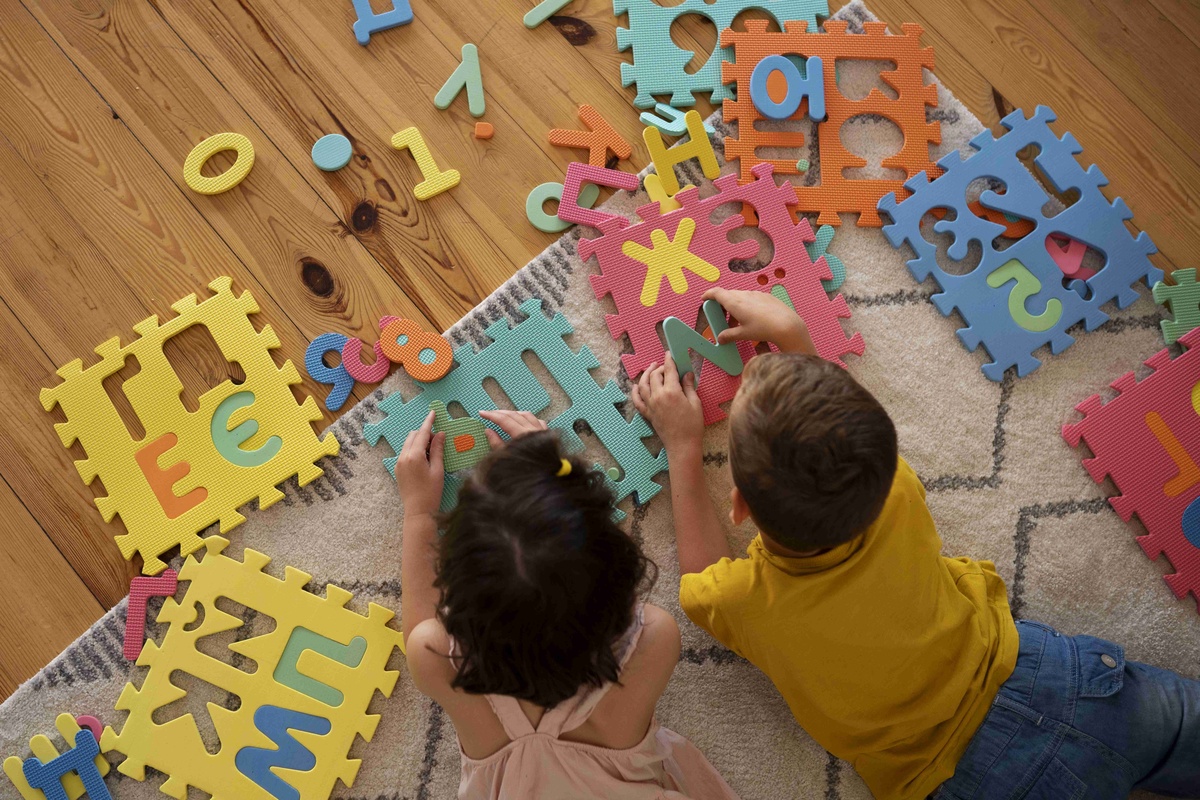
Early literacy between ages 4 and 5 typically includes retelling parts of a story, speaking in sentences strangers can understand, and using future tense, according to the AAP. Phonological awareness, the ability to notice and play with sounds inside words, also begins to develop through rhyming games and songs.
Picture your bedtime routine: after reading a short story together, your 4-year-old retells three key events in order. That simple exchange exercises listening, memory, and narrative structure, all core pre kindergarten skills.
Math and logical thinking
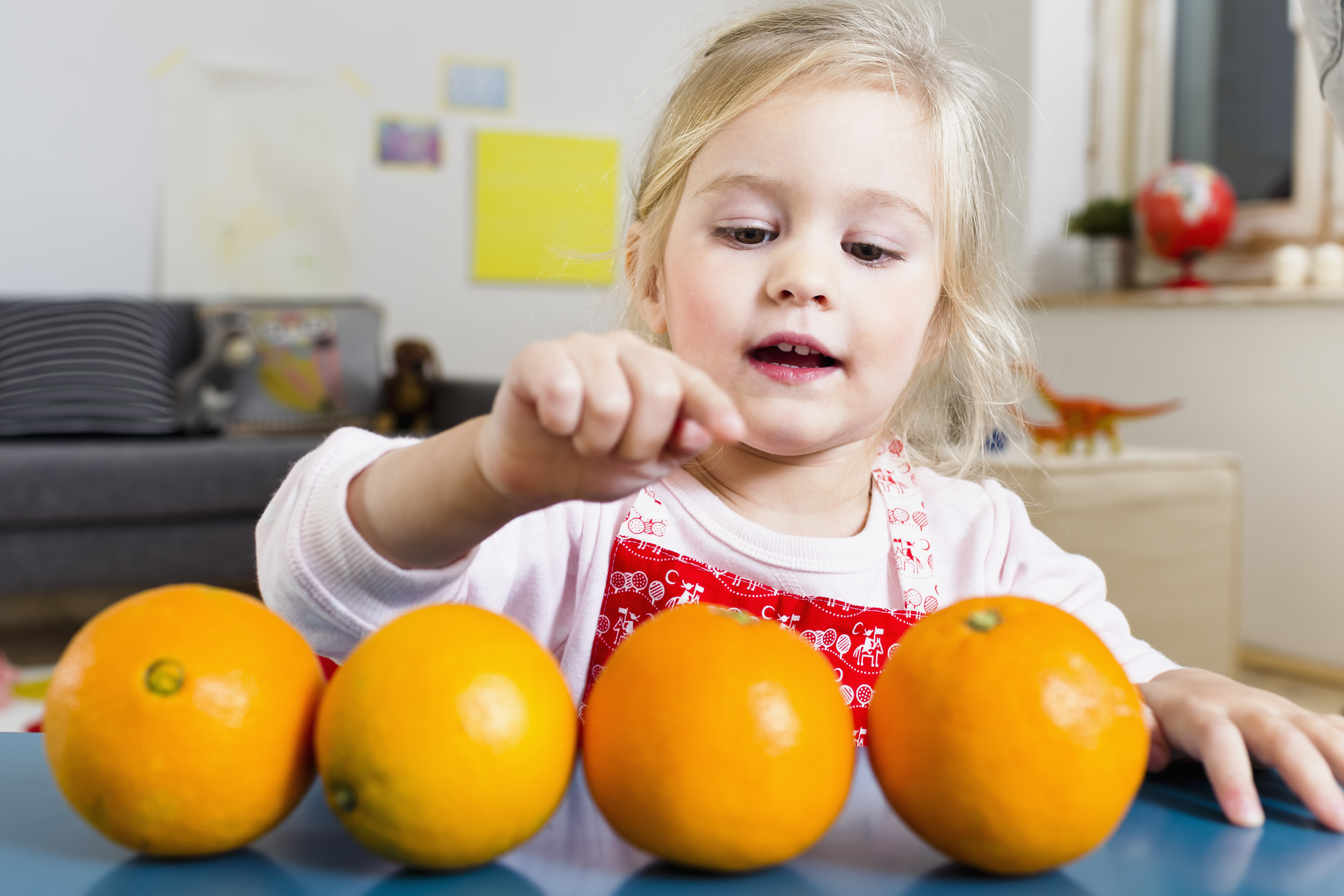
Most children between ages 4 and 5 can count ten or more objects and correctly name at least four colors, according to the AAP. They also begin to understand time concepts and how everyday items relate to each other. Executive function, the set of mental skills that helps a child plan, focus, and shift between tasks, strengthens through these kinds of logical challenges.
Sorting spoons and forks while setting the table or grouping socks by pattern gives your child real-world math practice without a single worksheet.
Social-emotional skills
Your child's social-emotional readiness between ages 4 and 5 often looks like wanting to please friends and cooperating with simple group rules. The AAP notes that children in this range engage in well-developed imaginative play, show more independence, and want to be like their peers. These abilities help your child share materials, manage frustration, and navigate a busy classroom.
Think of a preschooler who waits for their turn during a card game without a meltdown. That patience reflects growing impulse control, a building block of the social toolkit kindergarten relies on. For deeper strategies, our guide on social and emotional school preparedness offers more ideas.
Physical coordination and self-help
By ages 4 to 5, physical coordination milestones include standing on one foot for about ten seconds, hopping, and climbing stairs with alternating feet. The AAP adds that self-care skills such as dressing without help, using a fork and spoon, and managing most toilet needs are also typical at this stage.
A 5-year-old who independently opens their lunchbox, zips their jacket, and puts shoes on the correct feet is demonstrating the physical independence that smooths the kindergarten transition.

How to tell if your child is ready for kindergarten
Observing your child during everyday routines gives a clearer picture of readiness than any single test. The AAP recommends that kindergarten screening be used to guide curriculum and instruction rather than as a gatekeeping exam.
Watch for these signs during a typical day:
Can your child communicate clearly enough for an unfamiliar adult to understand?
Do they show interest in playing with other children and follow basic rules?
Can they focus on one activity for roughly five minutes?
Can they handle self-care basics like using the toilet and washing hands?
Tracking progress over weeks reveals patterns more accurately than a single snapshot. In Yuppo, you can follow week-by-week developmental milestones prepared by experts to see which kindergarten skills your child is currently building. Comparing these observations against age-by-age developmental milestones can add a broader perspective over time.
Everyday ways to build kindergarten readiness at home
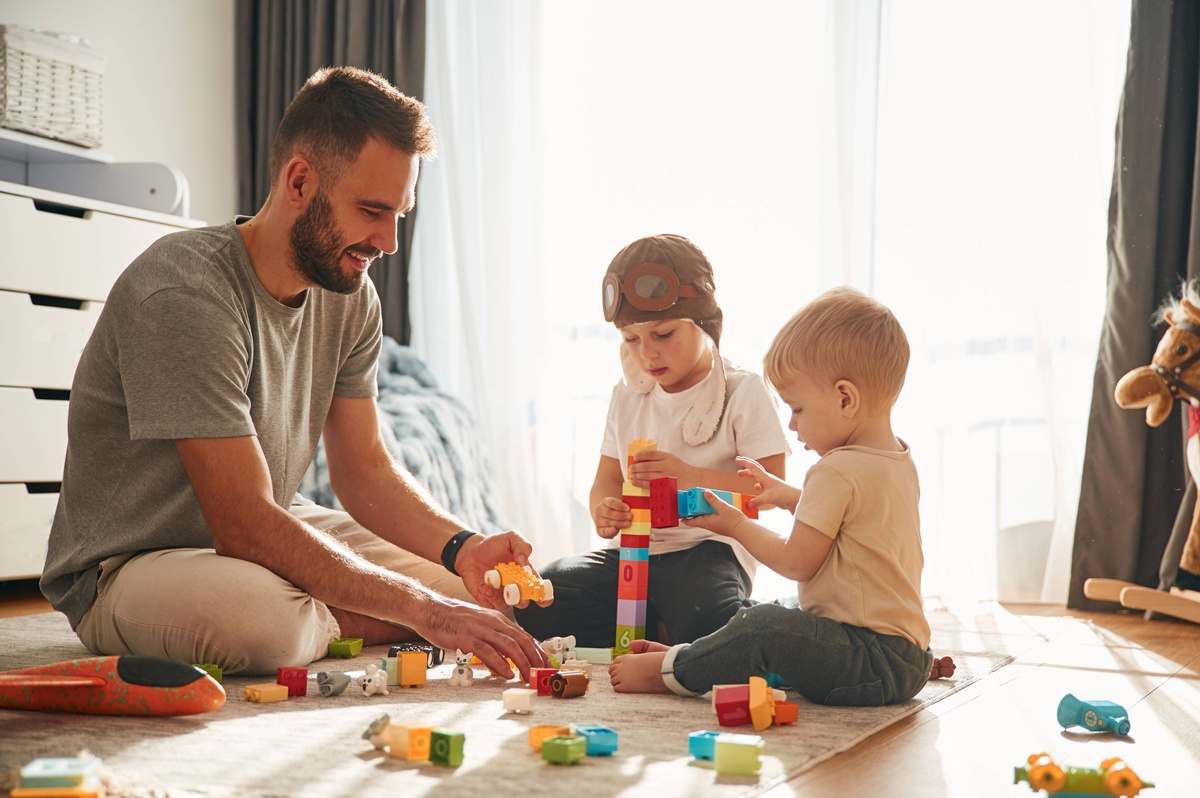
Everyday conversations, hands-on play, and small responsibilities are the most effective path to strong pre kindergarten skills. The AAP highlights that play improves children's ability to plan, organize, get along with others, and regulate emotions while supporting language, math, and social development. Strategies that fit naturally into your routine:
Read aloud daily and ask open-ended questions
Count and sort objects together during chores
Give your child chances to dress, pour, or tidy up independently
Conversations and reading routines
Reading together for even ten to fifteen minutes a day strengthens your child's vocabulary, listening, and story comprehension. Ask questions like "What do you think happens next?" instead of yes-or-no prompts. The AAP emphasizes that educational apps should not replace face-to-face interactions and real-life experiences.
Hands-on play with numbers and patterns
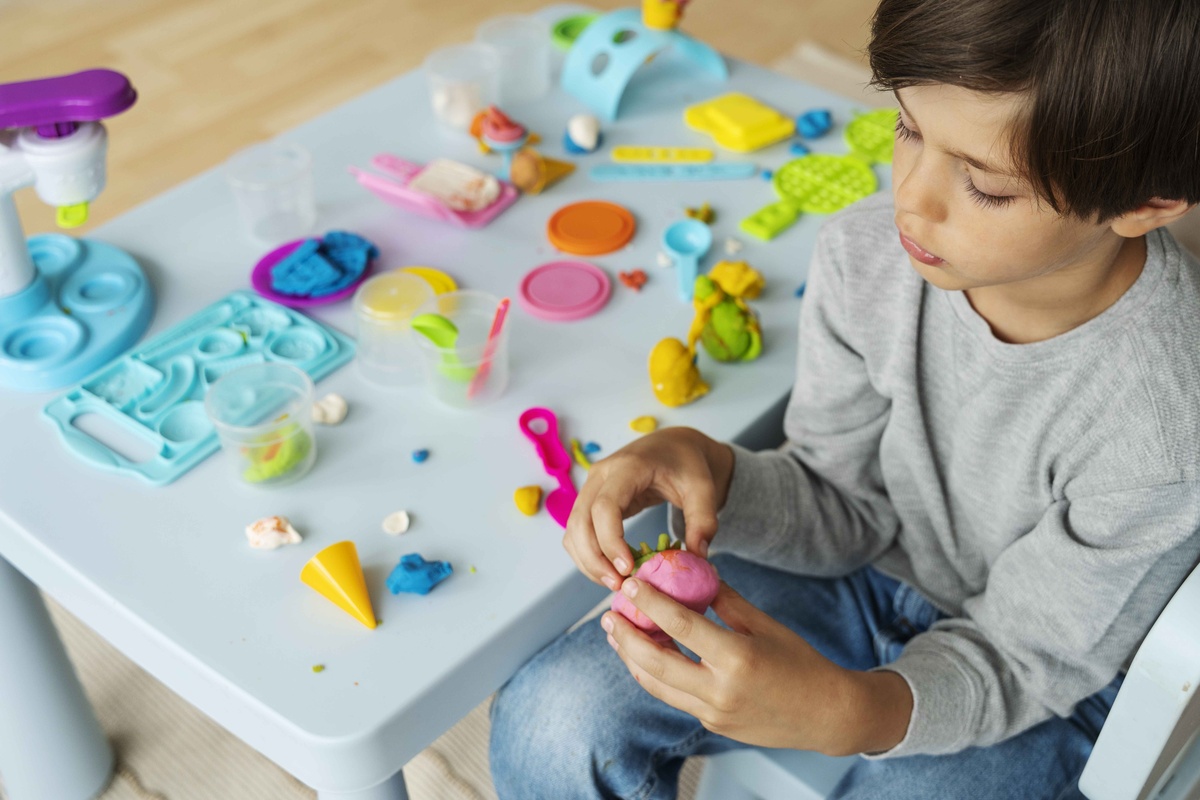
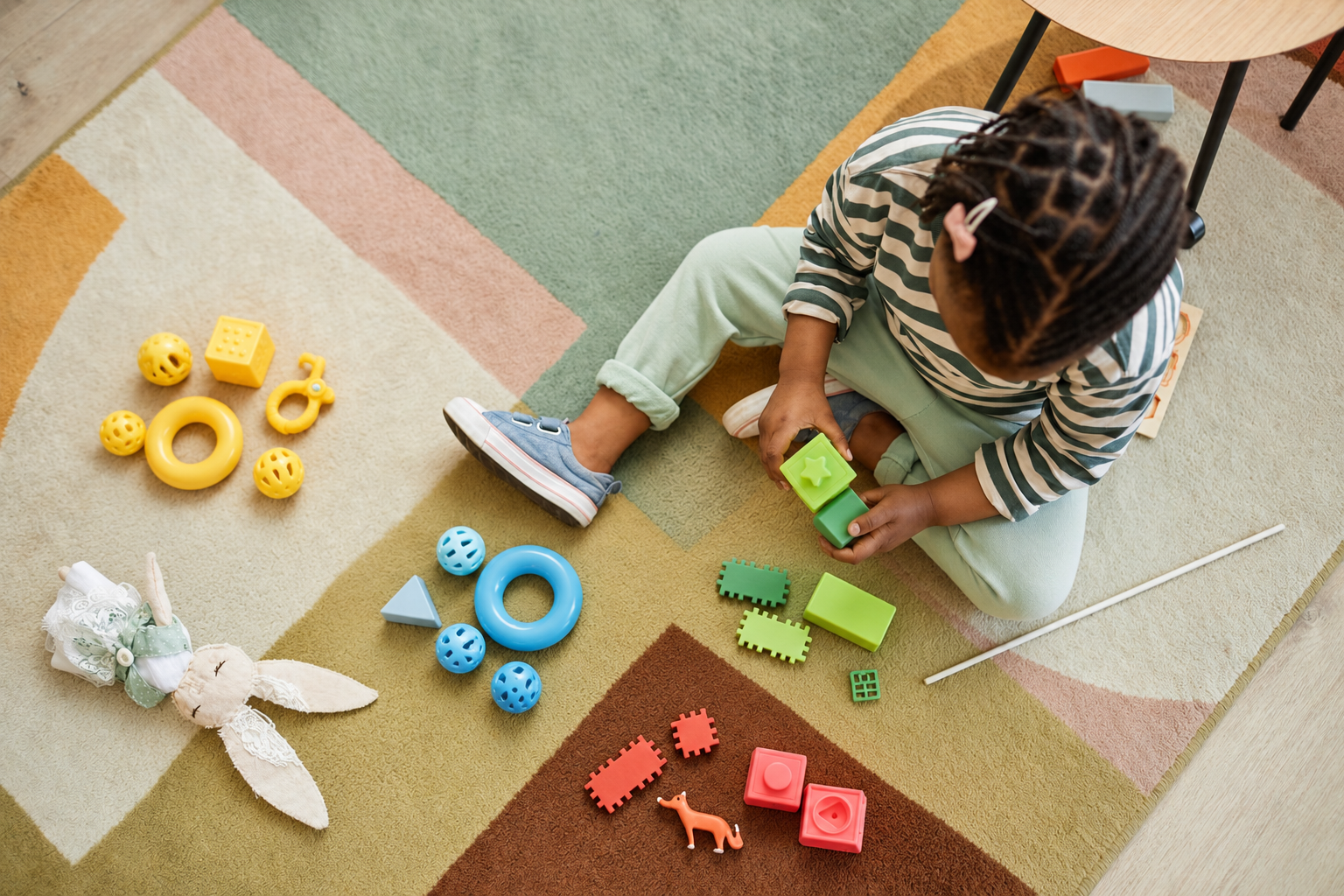
Hands-on number play during daily routines helps your child see that counting is part of the real world. Let them count apples at the store, sort blocks by shape, or measure ingredients with cups and spoons. The AAP notes that simple, inexpensive toys like blocks, balls, and buckets encourage imagination and creativity more effectively than costly alternatives.
Practicing independence in daily tasks
Letting your child zip a jacket, set a placemat, or pour water from a small pitcher builds the self-help skills kindergarten teachers look for. A child who traces their name in a shallow tray of salt on the kitchen table is practicing fine motor control in a playful, low-pressure way. For more play-based ideas, our article on school readiness signs and skills walks through additional activities.
What to do when your child seems behind in one area
A gap in one developmental area rarely means your child needs an extra year before entering kindergarten. The AAP cautions that labeling children as "not ready" and delaying school can keep them from the best learning environment. A child who is socially confident but still learning letter recognition, for instance, is likely to close that gap through quality classroom instruction.
Focus on targeted, playful practice in the area that needs support. If sitting still for short activities is tough, gentle focus-building games can help; our guide on building concentration offers practical strategies. When concerns are more persistent, talk to your pediatrician or preschool teacher. The AAP suggests watching for these possible signs in 4- to 5-year-olds:
Unable to focus on any single activity for more than five minutes
Little interest in playing with other children
Cannot give their first and last name
Does not use plurals or past tense when speaking
Summary and Next Steps
Readiness is a blend, not a single score. Kindergarten readiness skills span language, math, social-emotional, and physical domains, and most children build them gradually between ages 3 and 5.
Play teaches more than drills. Reading aloud, sorting objects, and taking turns during everyday routines develop exactly the skills a kindergarten classroom calls for.
One gap is not a stop sign. Targeted, playful practice and quality preschool experience usually close it before the school year begins.
Try one activity this week. Choose a home activity from the table above and fold it into a routine your child already enjoys.
This content is for information only; always consult your pediatrician for diagnosis and treatment.
Figuring out which kindergarten skills your child has already built and which still need practice can feel like guesswork when daily life moves fast. In Yuppo, you can enter your child's date of birth and browse personalized play activities that target specific developmental areas like counting, storytelling, or turn-taking.
Frequently Asked Questions
Your child does not need to read before starting kindergarten. Recognizing a few letters, enjoying being read to, and noticing rhymes are strong starting points. Formal reading instruction begins once school starts, so the goal beforehand is to build a love of stories and books through shared reading at home.
One lagging area alone rarely warrants delaying kindergarten. Targeted practice at home and quality preschool time often close social gaps well before fall. Holding a child back may actually limit their access to the classroom environment that helps those very skills develop most.
Around age 3, everyday play and routines naturally begin building the skills your child will use in school. No formal curriculum is needed. Conversations, counting games, and pretend play during daily life lay a solid foundation long before the first day of kindergarten.
Kindergarten readiness assessments are informal screenings rather than gatekeeping exams. Their purpose is to help teachers understand each child's starting point so instruction can be tailored to individual needs. No child should be turned away from school based solely on a screening result.
Pressure-heavy drills can raise anxiety and lower your child's motivation to learn. Play-based learning is more effective at this age because it naturally strengthens language, math, and social-emotional skills while keeping children curious and engaged rather than stressed.