Toddler Emotional Development Milestones: Ages 1–3

This article is approved by Yuppo Lab Developmental Psychologist
Published: 19 August, 2026
Updated: 19 August, 2026

Key Takeaways
Emotional development from ages 1 to 3 is an intense period when children move between their search for independence and their need for their parents.
Tantrums, which generally become more frequent between 18 and 24 months, are a natural form of expression for children whose communication skills are still developing.
Naming and validating all of your child's feelings, both positive and negative, is one of the most important steps in early emotional intelligence development.
The sense of self that begins developing at around 24 to 36 months allows children to distinguish between the concepts of "me" and "you."
If you are surprised to see your child laughing happily one moment and sobbing seconds later, you are not alone; toddler emotional development milestones reflect a process in which these opposites coexist. The toddler years, from ages 1 to 3, are a time when children explore their boundaries and work intensely to understand the world. For parents who are constantly on alert and tired from trying to respond in the right way, this stage can sometimes feel confusing. In this article, you will learn about your child's emotional turning points, the reasons behind tantrums, and how to safely support this sensitive stage at home.
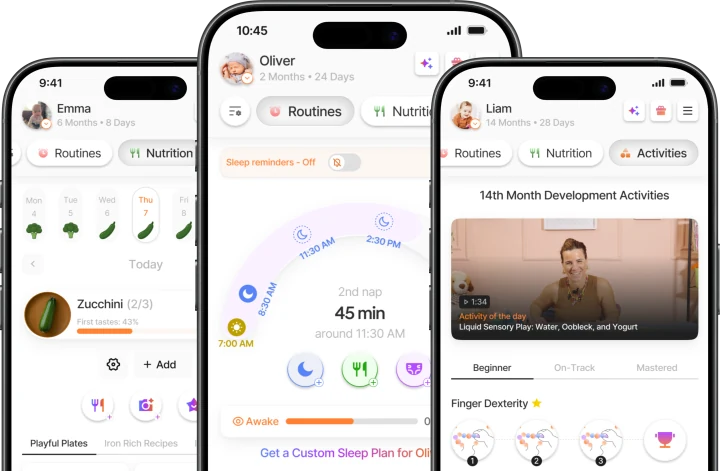


What Are the Key Features of Toddler Emotional Development Milestones from Ages 1 to 3?
Emotional development from ages 1 to 3 is a process in which a child's desire for independence and need for security from a parent are experienced at the same time, while emotional shifts typically accelerate from around 12 months. According to the American Academy of Pediatrics (AAP), children at this stage are eager to explore the world, but when they encounter a new situation, they tend to first check their caregiver's facial expression and reaction. Although this contrast can sometimes seem inconsistent to parents, it is actually a sign that the child is forming a healthy sense of trust in the world.
In their world, feelings are very big, and instead of communicating them with words, children express them through their behavior. Frustration may turn into throwing a toy, while excitement may lead to suddenly running off. As their sense of self develops, children realize that their wishes may differ from their parents' wishes. This discovery is one of the building blocks of emotional development, but it can also create more conflict in daily routines. These are important toddler social emotional milestones.

Emotional Development Month by Month: What to Expect from 12 to 36 Months
Emotional development stages in toddlers cover a wide range, from separation anxiety that often begins near the end of the first year to the early seeds of empathy that take shape closer to age three. Every child develops at their own pace, and the timing of particular skills may vary by weeks or months. Emotional development is less a straight line than a cyclical process in which occasional steps backward may also appear. For this reason, it is important to observe these changes as a natural growth journey rather than a race.
12 to 24 Month Milestones: Balancing Independence and Attachment
Between 12 and 24 months, children's desire to move independently grows, while their need to turn to a familiar adult when faced with the unknown remains just as strong. Most children begin discovering the power of the word "no" and asserting their own preferences around 14 to 18 months. Wariness of strangers and anxiety when separating from a parent are common, normal reactions during these months. A warm, consistent, brief goodbye routine that helps them feel safe can make separation moments more peaceful.
24 to 36 Months: Sense of Self and First Social Relationships
Around 24 to 36 months, as children begin to define themselves as independent individuals, their efforts to play with other children and express their feelings become more noticeable. Toward the end of the second year, parallel play (playing independently in the same space) gradually begins to give way to interactive play. Although most children begin noticing their own feelings between 24 and 30 months, they are still developing the ability to fully understand other people's emotions. So when they do not want to share or have trouble waiting their turn, it does not mean they are selfish; it means they have not yet fully developed the maturity to understand empathy and other people's perspectives.
How to Handle Toddler Tantrums from Ages 1 to 3
Managing tantrums, often referred to as the emotional reactions of the "terrible twos," means creating a safe space without rejecting your child's feelings and supporting them by staying close until they calm down. Guides from the American Academy of Pediatrics (AAP) emphasize that children between 18 and 36 months may know what they want cognitively but lack the language skills to express it, creating the conditions for tantrums. Crises at the checkout line or when leaving the park are not a judgment of your parenting; they result from your child's inability to manage immediate frustration.
The best thing you can do in that moment is take a deep breath and stay calm yourself. When your child is in the middle of a crisis, logical explanations or reminders about the rules usually do not help. Simply staying physically close, preventing self-injury, and using short, clear phrases that help your child feel safe can calm the situation more quickly.

How Should Parents Support Healthy Emotional Development?
The most effective way to support emotional intelligence development at home is to name and validate the feelings your child is experiencing and give them space to experience emotions at their own pace. Instead of saying, "There's nothing to be afraid of" or "That's nothing to cry about," try saying, "You're really angry because you don't want to leave the park right now. I understand." This helps your child feel understood. Emotional intelligence does not mean always being happy; it means learning how to cope with difficult feelings.
If you would like to support these skills during everyday play at home, Yuppo's developmental analysis can assess not only whether your child can perform a skill, but also the level at which they perform it. Based on that level, you can receive social-emotional activity plans prepared by specialists and easy to do with materials at home. Respecting your child's temperament and embracing their feelings lays the foundation for future self-confidence.
When Should You Consult a Professional About Emotional Development?
Although reactions such as defiance and crying spells can be challenging during the emotional development journey from ages 1 to 3, completely refusing to engage with the outside world or regularly hurting themselves may indicate a departure from the typical course. Occasional anger, throwing objects, or testing limits are natural parts of development. However, the intensity of these behaviors and the extent to which they disrupt daily life determine when guidance from a pediatrician or developmental specialist may be needed. Trusting your instincts and observing sharp changes in your child's overall behavior can make the process easier.
Summary and Next Steps
Need for independence: Treat your child's desire to make their own decisions between 12 and 36 months as a natural part of development. Starting this week, support their sense of control by offering small, safe choices (the red cup or the blue cup).
Tantrums: During a crisis, instead of giving logical explanations, try simply staying physically close and creating a compassionate space.
Naming feelings: This week, practice saying out loud what your child may be feeling when they cry or laugh ("You are so excited right now").
Social expectations: Instead of expecting your two-year-old to share everything immediately, give them time and let them play at their own pace.
Toddler Development Red Flags: When to Call the Doctor
An 18-month-old child consistently avoids eye contact with their parents or other caregivers and does not respond at all when their name is called.
During tantrums, a child older than 18 months deliberately hits their head against hard surfaces every time or bites themselves hard enough to cause bleeding.
Between 18 and 24 months, previously acquired social and emotional skills (smiling, back-and-forth vocalizing, waving) are permanently lost.
As the child approaches 36 months, they show no reaction when separating from caregivers or, conversely, experience extreme panic and cannot calm down for hours.
They show no interest in other children or play settings and remain completely withdrawn most of the time.
This content is for informational purposes only; always consult your child's pediatrician for diagnosis and treatment.
To guide your child through this intense and sometimes exhausting emotional world with greater confidence, you can take Yuppo's science-based parenting style and temperament tests in the Yuppo app. Based on the results, you can explore expert-prepared parenting content that makes it easier to respond to your child's everyday behaviors and strengthen your connection in a way that best fits your family dynamic.
Frequently Asked Questions
When do the terrible twos usually start?
Defiance and efforts to become independent, often called the terrible twos, usually begin between 18 and 24 months. This stage is connected to children becoming aware of themselves. The timing and intensity can vary from child to child depending on temperament, and some children may show these behaviors earlier or later.
Why does my toddler say no to everything?
Saying "no" to almost everything is a healthy developmental step that often begins around 14 to 18 months as children test their boundaries. The word gives your child a way to feel that they have some control. It is not a personal reaction against you, even when it is repeated throughout the day.
Are hitting and biting normal between ages 1 and 3?
For children ages 1 to 3 whose communication skills are still developing, hitting or biting when frustrated is often a normal reaction. You do not need to approve of the behavior, but understanding the feeling behind it can help encourage your child to use words over time. Respond calmly and keep everyone safe.
How can I teach my child to name their feelings?
Start by simply describing situations your child encounters in daily life. While reading, talk about how the characters feel. When your child cries, reflect the feeling by saying, "You are very sad right now." Hearing these words repeatedly can gradually help your child identify and name their own emotions.
Is refusing to share with friends a developmental concern?
Children between ages two and three often do not want to share toys because empathy and the concept of ownership are still developing, and this is generally considered normal. As brain development progresses, children typically begin to understand the rules of cooperative play around ages 3 to 4. Give your child time rather than forcing sharing.
What should I do during my toddler's tantrum?
The most effective response is to take deep breaths, stay calm, and remain safely beside your child until the tantrum passes. Long explanations usually do not help during a crisis. Once your child is calm, briefly talking about the feeling and what happened is much more useful.
References

Yuppo Lab
Developmental Psychologist